English
 中文简体
中文简体
 русский

Content
- 1 What Does .404" Pitch Actually Mean — and Why It Matters
- 2 Professional Applications Where .404" Pitch Saw Chains Are the Right Choice
- 3 Comparing .404" Pitch Against Other Common Saw Chain Specifications
- 4 How to Select the Right .404" Pitch Saw Chain for Your Wood Cutter
- 5 Maintenance Practices That Maximize .404" Saw Chain Service Life
- 6 Signs That a .404" Pitch Saw Chain Should Be Replaced Rather Than Resharpened
- 7 What to Look for When Sourcing .404" Pitch Saw Chains from a Manufacturer
- 8 Putting It All Together: Making the Right .404" Pitch Chain Decision
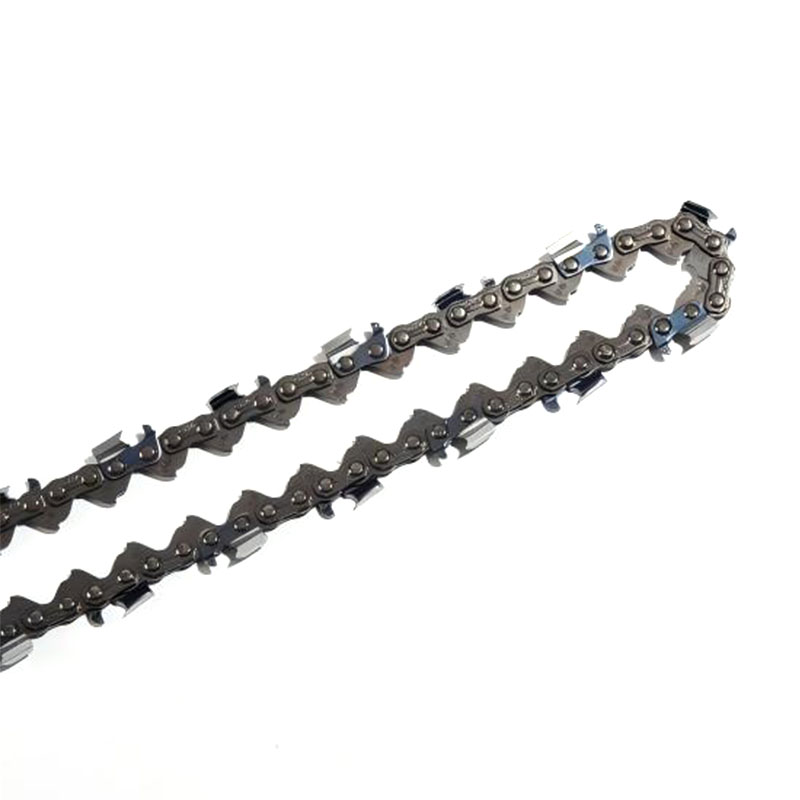
When it comes to heavy-duty wood cutting operations — whether in commercial logging, large-scale land clearing, or professional arborist work — the choice of saw chain pitch is one of the most consequential decisions a buyer can make. .404" pitch saw chains are the recognized standard for high-power chainsaw applications where cutting speed, chain strength, and long service life under demanding conditions all matter equally. Unlike narrower pitch options that prioritize lightweight consumer use, .404" pitch chains are engineered for chainsaws with high-displacement engines that generate enough drive sprocket torque to run wider, heavier cutting links without losing efficiency.
This guide breaks down everything a procurement officer, distributor, or professional operator needs to understand about .404" pitch saw chains: how pitch measurement works, where this specification fits in the broader saw chain market, how to match a chain to a specific wood cutter application, and how proper maintenance extends service life and protects the investment. Whether you are sourcing chains for professional forestry equipment or evaluating OEM supply options, the specifications covered here will give you a concrete foundation for confident purchasing decisions.
What Does .404" Pitch Actually Mean — and Why It Matters
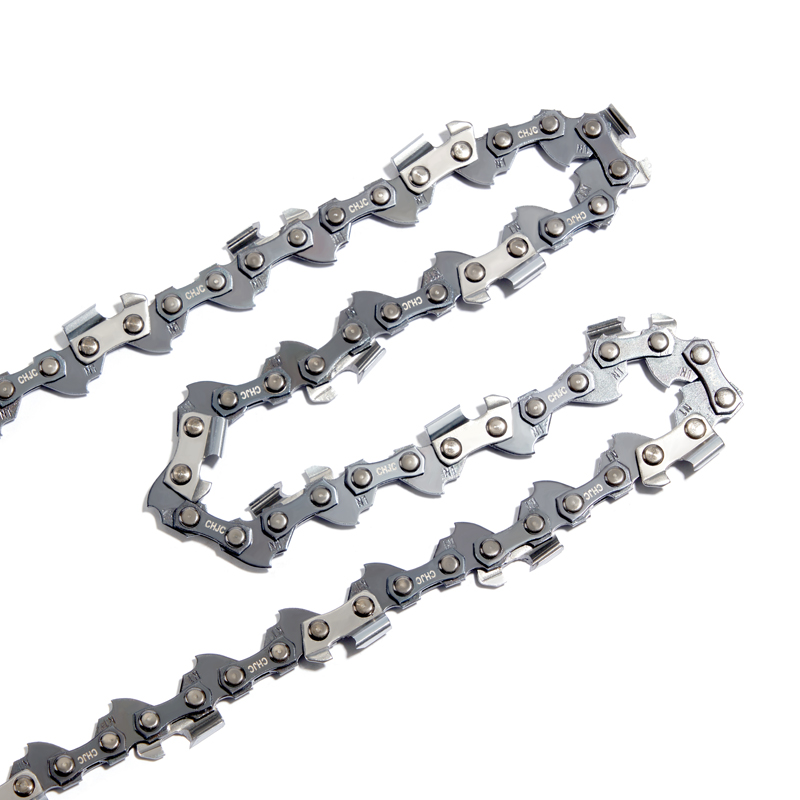
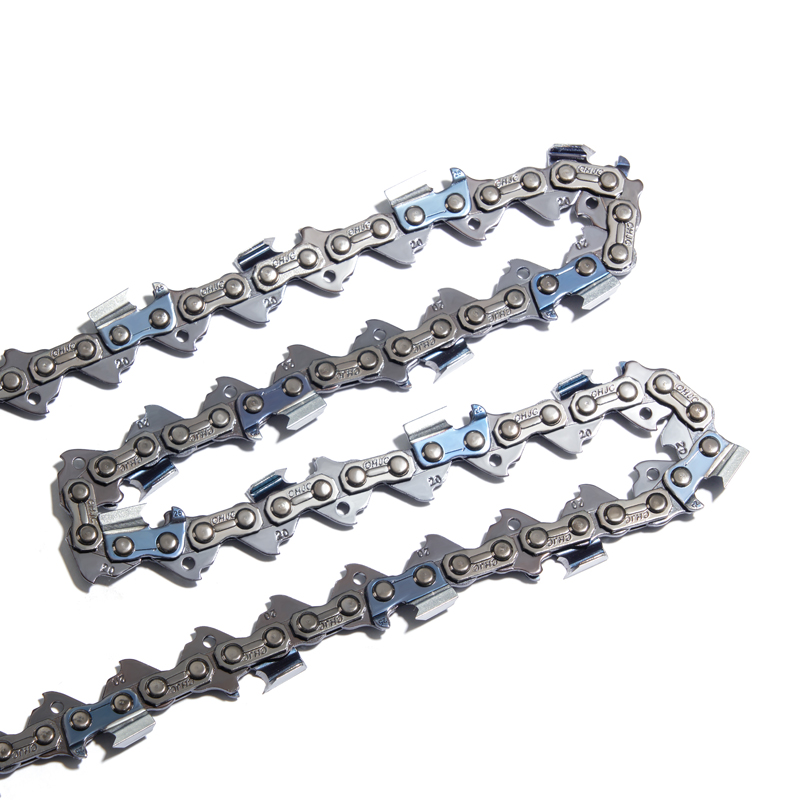
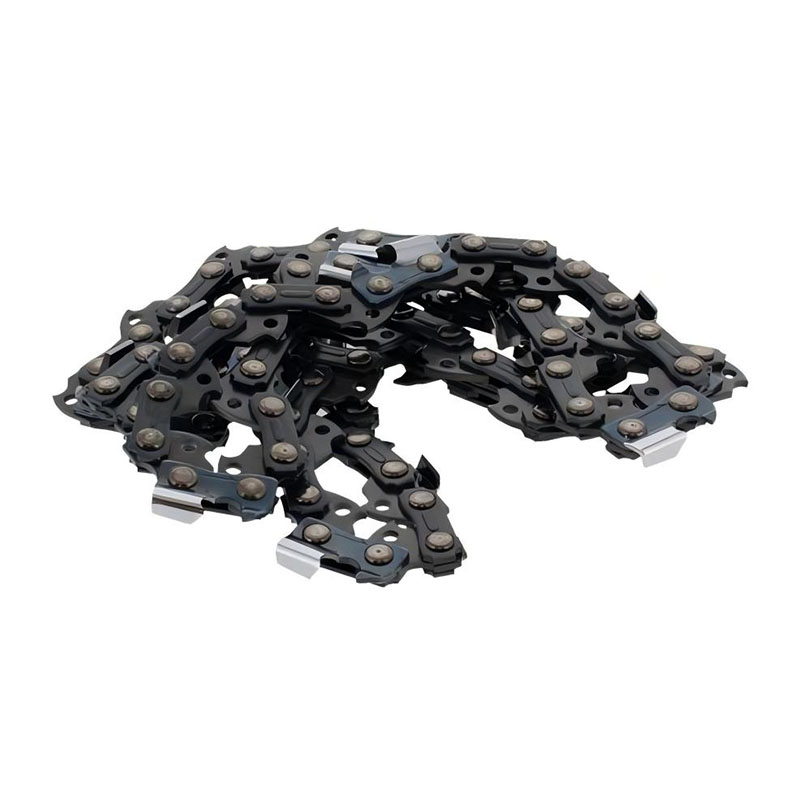
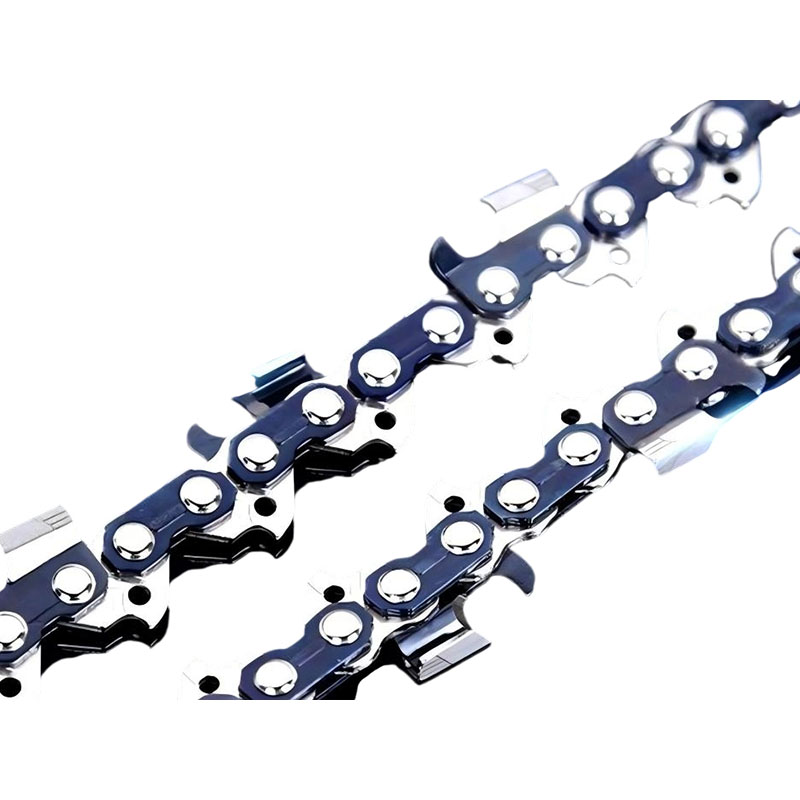
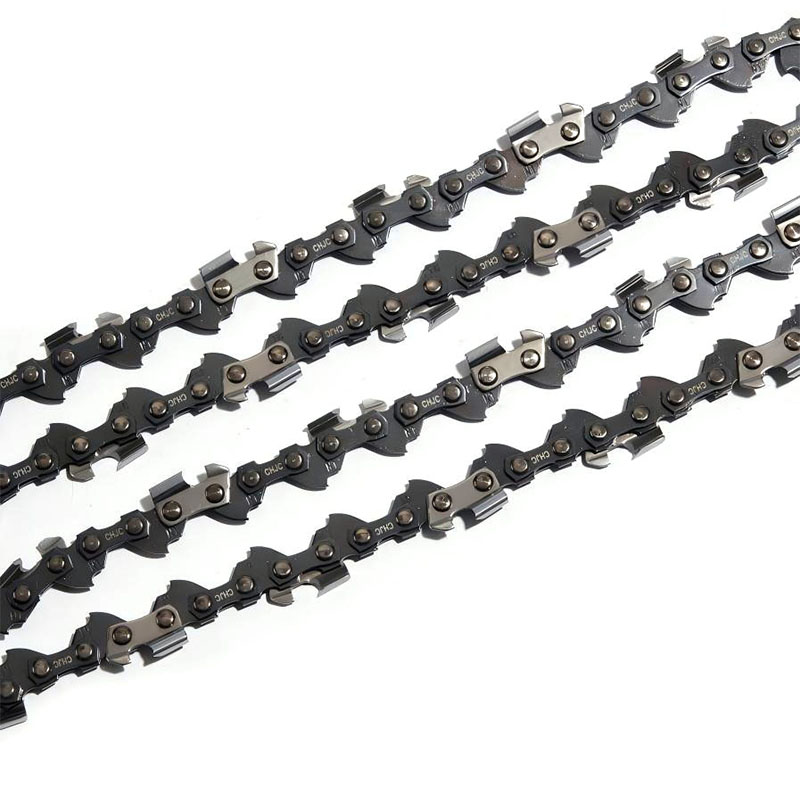
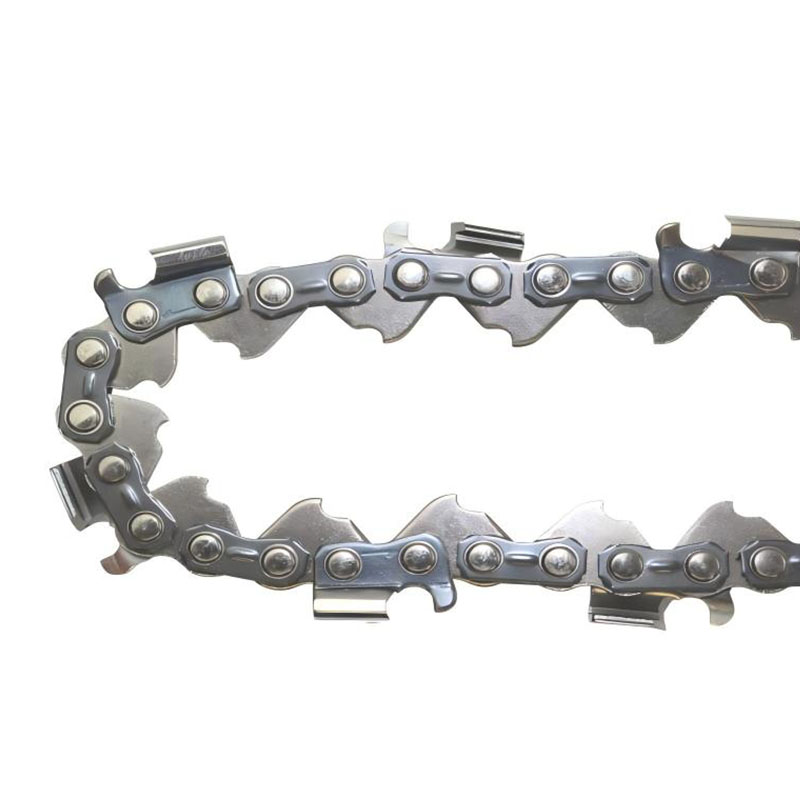
Saw chain pitch refers to the distance between any three consecutive rivets divided by two. For a .404" pitch saw chain, this measurement equals 0.404 inches, or approximately 10.26 mm. This is one of the largest pitch dimensions in the standard chainsaw chain market, exceeded only by specialty harvester chains used in automated timber-processing machinery.
The pitch dimension determines how the chain meshes with the drive sprocket. A larger pitch means larger, more widely spaced drive links, which requires a correspondingly larger sprocket tooth profile. Because the drive links are spaced further apart, each cutting sequence removes a wider chip of wood material per pass, translating directly into higher material removal rates when paired with a sufficiently powerful engine. This is the core reason that .404" pitch chains are found on chainsaws with engine displacements typically starting from 70cc and scaling upward — machines built for hardwood felling, storm damage cleanup, and continuous professional-grade wood cutting work.
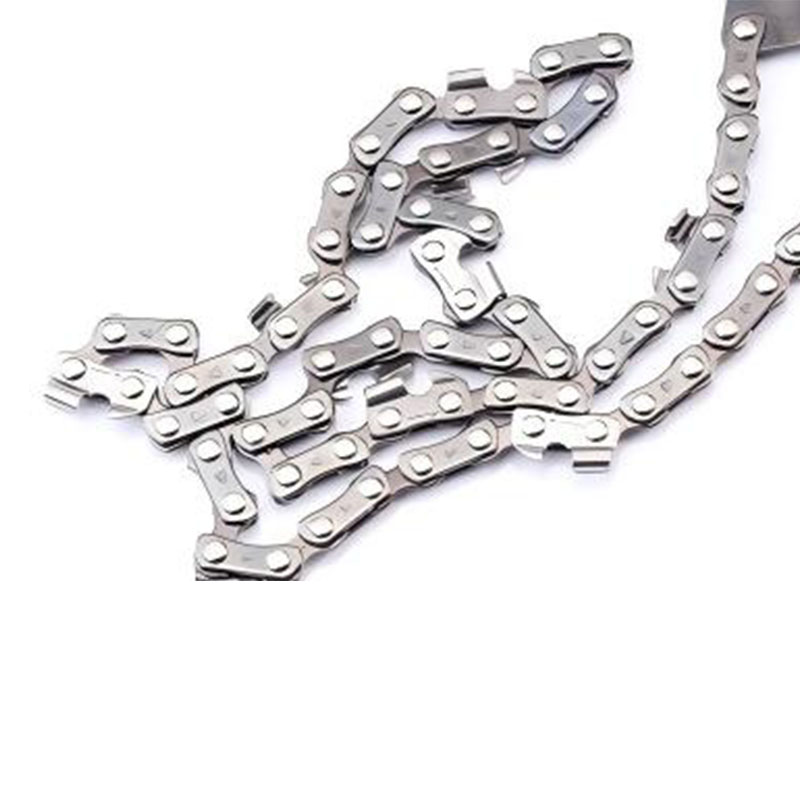
It is important not to confuse pitch with gauge, which is a separate measurement referring to the thickness of the drive link tang that fits into the guide bar groove. Common gauge options for .404" pitch chains include 0.063" (1.6 mm) and 0.080" (2.0 mm). Getting both pitch and gauge correct when sourcing replacement chains is non-negotiable — an incorrect gauge will either fail to seat in the bar groove or fit loosely, causing dangerous lateral chain movement during operation.
Professional Applications Where .404" Pitch Saw Chains Are the Right Choice
The .404" pitch specification is not a general-purpose choice — it is purpose-built for scenarios where the wood cutter faces large-diameter timber, dense hardwood species, or high-volume continuous cutting cycles that would overheat or prematurely wear a smaller-pitch chain. Understanding the specific application contexts helps procurement teams specify the right chain and avoid under- or over-specifying for the task.
Commercial Timber Harvesting and Logging Operations
In professional forestry, loggers routinely cut timber with trunk diameters exceeding 60 cm. At that scale, the chain must maintain consistent cutting geometry throughout the full sweep of a long guide bar — commonly 24 to 36 inches — without stretching, deflecting, or losing cutter tooth sharpness prematurely. .404" pitch chains are designed with the structural mass to handle these conditions across extended work shifts. The wider drive link spacing reduces the total number of rivets under load at any given moment, which distributes stress more evenly and slows fatigue-related elongation.
Land Clearing and Vegetation Management
Land clearing contractors operate wood cutters in conditions that combine hardwood stumps, embedded soil, and mixed debris — all of which accelerate chain wear. The heavier build of .404" chains provides a meaningful durability advantage in these applications. The additional mass of each cutter tooth means that even after contact with abrasive material, enough metal remains to maintain a functional cutting edge through one full sharpening cycle. For operations buying chains in bulk for multiple machines, this translates to a lower total chain consumption rate per acre cleared.
Arborist and Tree Service Work on Large Specimens
Certified arborists removing mature oak, elm, or hickory trees often work with trunk sections that would overwhelm a mid-range chainsaw. When the work demands a professional-grade saw paired with a long bar, the .404" pitch chain is the appropriate consumable. The aggressive cutting geometry and robust construction also reduce the physical effort required per cut, which matters for operators making dozens of cuts per working day.
Firewood Production at Commercial Scale
High-volume firewood processors rely on production-oriented wood cutters running continuously through the day. In this context, chain change intervals, sharpening frequency, and resistance to heat buildup all factor into operational cost calculations. A .404" pitch chain, when correctly lubricated and maintained, holds its cutting geometry through longer intervals than lighter-pitch alternatives, reducing downtime between chain changes during peak production periods.
Comparing .404" Pitch Against Other Common Saw Chain Specifications
Procurement decisions benefit from a side-by-side view of how .404" pitch chains compare to other standard sizes. The table below summarizes the key practical differences between the three most widely used pitch specifications in professional and semi-professional chainsaw applications.
| Specification | 3/8" Low Profile (LP) | 3/8" Standard Pitch | .404" Pitch |
|---|---|---|---|
| Pitch (inches) | 0.375" (Low Profile) | 0.375" | 0.404" |
| Typical Engine Size | Under 45cc | 35cc – 70cc | 70cc and above |
| Target Application | Light pruning, homeowner use | Mid-range felling, firewood | Professional logging, land clearing |
| Cutting Aggression | Low | Medium | High |
| Chain Weight | Lightest | Medium | Heaviest |
| Durability Under Sustained Load | Limited | Good | Excellent |
| Bar Length Range | 10" – 16" | 14" – 24" | 20" – 36"+ |
The data above makes clear that .404" pitch is not a versatile all-around specification — it is a purpose-specific solution. Fitting a .404" chain to an underpowered saw will result in sluggish performance and premature clutch wear, because the engine cannot generate enough rotational force to drive the heavier chain at the speed needed for efficient cutting. Conversely, running a smaller-pitch chain on a high-displacement professional wood cutter wastes the machine's available power and shortens chain life due to the disproportionate force applied to lighter-gauge components.
How to Select the Right .404" Pitch Saw Chain for Your Wood Cutter
Selecting a .404" pitch chain involves more than confirming the pitch number matches the sprocket. Several additional parameters must align for the chain to function safely and perform to its design specification. The following checklist covers the critical selection criteria.
Drive Link Count and Bar Length
Each guide bar has a specific drive link count requirement. A .404" pitch chain with the correct pitch but wrong drive link count will either be too short to complete the loop around the bar and sprocket, or too long and will sag dangerously. The drive link count is always specified in the saw's service documentation and is also often stamped directly on the guide bar rail. When ordering replacement chains, always confirm drive link count alongside pitch and gauge.
Cutter Type: Full Chisel vs. Semi-Chisel
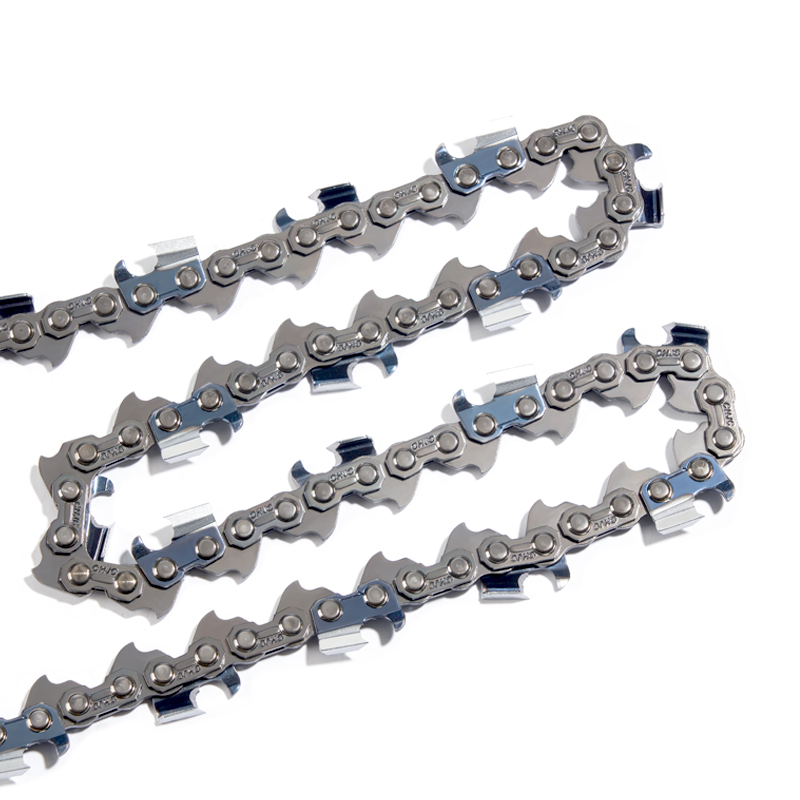
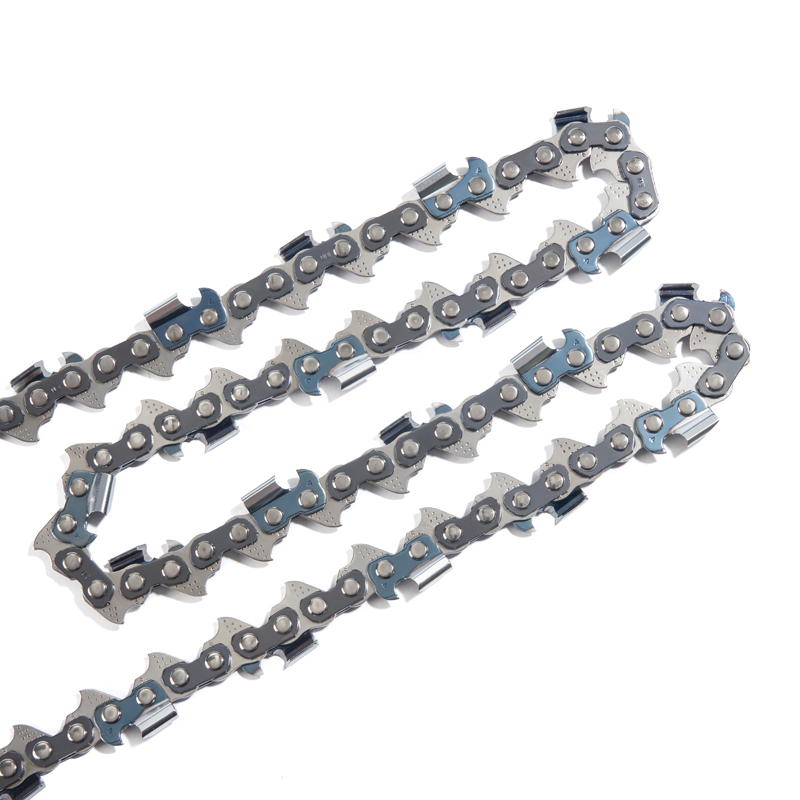
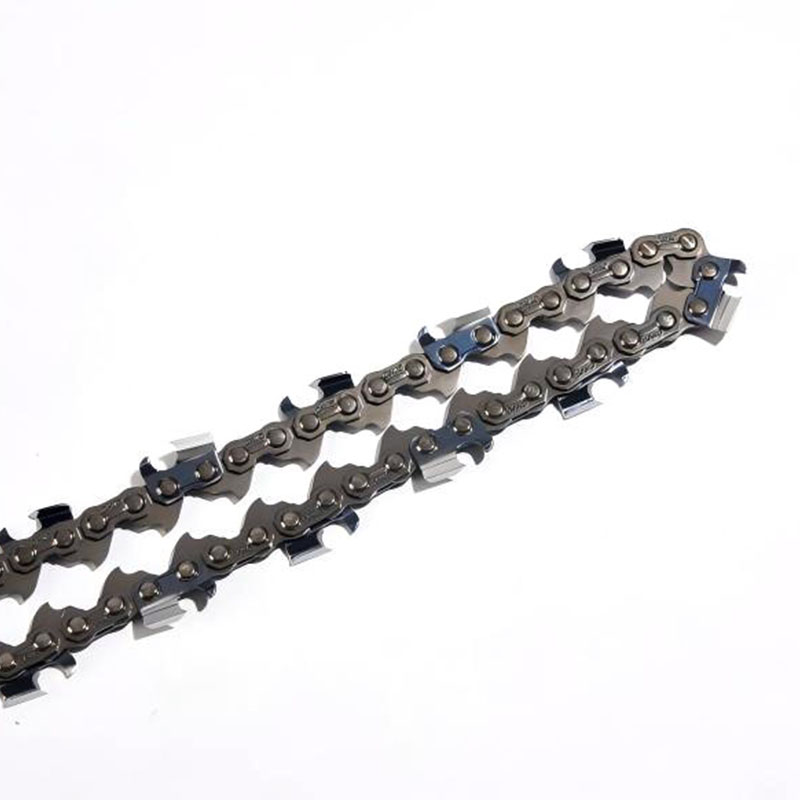
Within the .404" pitch category, chains are available in two primary cutter geometries. Full chisel cutters feature square-cornered cutting teeth that deliver the fastest cutting speed in clean softwood. They are the preferred choice for commercial logging in conifer forests where the wood is relatively uniform and free of embedded debris. Semi-chisel cutters have rounded cutter corners that retain sharpness longer in dirty, abrasive, or frozen wood conditions. Land clearing contractors and operators working near soil or sandy ground generally achieve better overall performance with semi-chisel chains, even if each individual cut takes marginally longer.
Chain Gauge and Guide Bar Groove Width
As noted earlier, gauge must match the guide bar groove width precisely. Running a chain with a gauge narrower than the bar groove allows lateral movement that accelerates both chain and bar wear and introduces a kickback risk. Running a chain with a gauge wider than the groove makes installation impossible or forces the chain to bind. Always measure the existing bar groove or consult the bar manufacturer's specification sheet before placing a bulk chain order.
Low-Kickback vs. Standard Safety Features
Regulatory standards in certain export markets — particularly North American and European markets — require that chainsaws sold for consumer or semi-professional use be fitted with low-kickback chains. For professional-grade .404" pitch applications in commercial forestry, operators typically use standard chains and rely on operational training and technique for kickback management. However, distributors sourcing for mixed markets should confirm the regulatory requirements in the destination country before specifying chain type, as this affects compliance status.
Maintenance Practices That Maximize .404" Saw Chain Service Life
A .404" pitch chain represents a meaningful consumable cost, and proper maintenance directly controls how many productive cutting hours it delivers before replacement is necessary. The following maintenance disciplines are not optional extras — they are standard operating procedure for any professional wood cutting operation.
Chain Tension Management
A new .404" pitch chain will stretch during its initial break-in period as the rivet holes slightly seat against the rivet pins under load. Tension should be checked after the first 10 to 15 minutes of operation on a new chain and readjusted as needed. Correct tension allows the drive links to be pulled away from the underside of the bar by approximately 3 to 5 mm at the midpoint of the bar, while still seating completely in the bar groove. A chain running too loose will derail; a chain running too tight will generate excess heat and accelerate both chain and bar rail wear.
Sharpening Frequency and Technique
For full chisel .404" pitch chains, the correct round file diameter for cutter tooth sharpening is typically 7/32" (5.5 mm). Semi-chisel chains use the same file size. Sharpening should be performed before the operator notices a significant drop in cutting speed — waiting until the chain is pushing rather than cutting means several productive cuts have already been made on damaged cutter geometry. The filing angle and depth gauge setting must remain consistent across all cutters; uneven cutter heights cause the chain to pull sideways during cuts, accelerating bar groove wear and increasing operator fatigue.
Bar and Chain Lubrication
The bar oil reservoir should never be allowed to run empty during operation. Chain oil serves two functions simultaneously: it lubricates the bar groove where the drive link tangs run, and it reduces friction between the cutter tie straps and the bar's top and bottom rails. Running dry for even a short period generates sufficient heat to anneal the bar steel and soften the drive link tangs, reducing chain life dramatically. For professional wood cutting operations in cold climates, a lower-viscosity bar oil should be selected for winter use to ensure the oil pump can deliver adequate flow at low temperatures.
Chain Rotation Between Multiple Chains
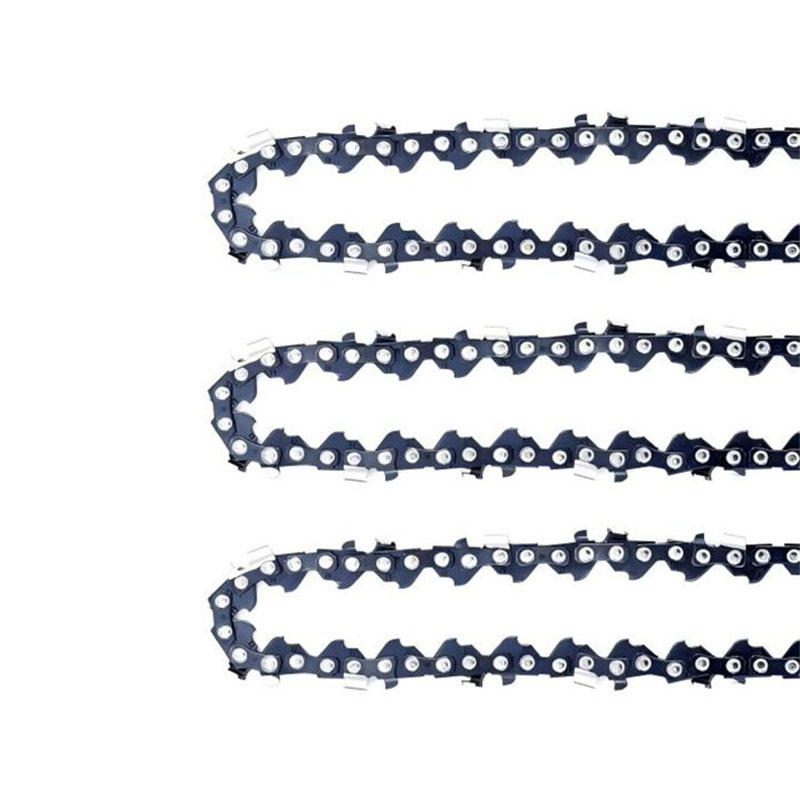
Professional operators running long daily shifts typically maintain two or three .404" pitch chains per saw in rotation. When one chain is on the saw, a second is being sharpened and a third is resting. This rotation keeps each chain's service hours spread more evenly, extends the useful life of each individual chain, and ensures the operator always has a sharp chain available without waiting for field sharpening. Manufacturers of quality .404" chains design their products to withstand multiple sharpening cycles, and rotating chains ensures each one reaches its full resharpening potential rather than being discarded after excessive wear in a single session.
Signs That a .404" Pitch Saw Chain Should Be Replaced Rather Than Resharpened
Even with rigorous maintenance, every saw chain eventually reaches the end of its serviceable life. Recognizing these indicators early prevents wasted sharpening effort and protects the guide bar from damage caused by a worn chain.
- Cutter teeth shorter than the depth gauge: Once the cutter tooth height drops to the level of the depth gauge raker, the chain cannot be sharpened further without also reducing the raker height, and the cutting geometry becomes inefficient.
- Visible rivet wear or looseness: Worn rivets allow individual links to move laterally, creating an uneven cutting arc and increasing vibration transmitted to the operator's hands.
- Drive link tang damage: Chipped, cracked, or significantly worn drive link tangs reduce the chain's ability to seat properly in the bar groove and can cause the chain to jump off the bar under load.
- Elongation beyond specification: A chain that has stretched beyond the manufacturer's allowable elongation limit will not maintain proper engagement with the drive sprocket, causing tooth skipping under load and accelerating sprocket wear.
- Persistent cutting deviation after sharpening: If the saw consistently pulls to one side even after careful sharpening, cutter geometry on one side of the chain may be irreparably compromised.
When any of these conditions is present, continuing to operate the chain creates elevated risk of bar damage, reduced cutting efficiency, and increased operator fatigue. The cost of a replacement .404" pitch chain is consistently lower than the cost of a replacement guide bar or the labor lost to slowed cutting during a high-productivity shift.
What to Look for When Sourcing .404" Pitch Saw Chains from a Manufacturer
For distributors, wholesalers, and OEM equipment manufacturers evaluating saw chain suppliers, the quality indicators that matter most are not visible on the surface of the chain. They are embedded in the manufacturing process and the material specifications used.
Steel alloy and heat treatment consistency determine how long cutter teeth retain a sharp edge and how resistant drive links are to elongation under cyclic loading. Reputable manufacturers publish material grade specifications and can provide documentation of the heat treatment processes applied to both cutter components and structural chain components. Asking for this documentation during supplier evaluation is a standard practice in professional procurement.
Dimensional tolerance control is equally important. For a .404" pitch chain, the pitch dimension itself, the drive link tang height, and the rivet diameter all require tight manufacturing tolerances to ensure smooth engagement with the sprocket and proper seating in the bar groove. Chains manufactured outside specification limits will exhibit premature wear patterns and may pose safety risks in high-load applications. Requesting sample chains for dimensional inspection before committing to a supply arrangement is a reasonable expectation in B2B procurement.
Hengjiu Group has maintained a long-standing focus on precision-manufactured saw chains and cutting components, supplying both OEM customers and aftermarket distribution channels. Their production capability in .404" pitch configurations spans multiple cutter geometries and gauge options, supported by quality control processes designed to meet the dimensional and material requirements of professional-grade wood cutting equipment.
When evaluating suppliers, also consider packaging and labeling compliance for the target export market, availability of technical data sheets, and the supplier's capacity to fulfill consistent repeat orders without dimensional variation between production batches. Consistency matters more than initial unit quality in high-volume distribution relationships.
Putting It All Together: Making the Right .404" Pitch Chain Decision
The .404" pitch saw chain occupies a specific and well-defined role in the professional wood cutting equipment market. It is the chain specification for operators and machines working at the demanding end of the performance scale — high-displacement engines, long guide bars, large-diameter hardwood timber, and sustained professional use. For buyers working within this segment, the selection framework is straightforward: confirm pitch, gauge, and drive link count against the saw and bar specifications; choose cutter geometry based on wood type and working conditions; and establish a maintenance routine that keeps the chain sharp and correctly tensioned throughout its service life.
For procurement professionals evaluating supply sources, the quality differentiators lie beneath the surface in steel specification, heat treatment consistency, and dimensional control. Suppliers who can document these parameters and demonstrate batch consistency provide the foundation for a reliable supply chain that supports end-user satisfaction and reduces warranty claim exposure.
Whether you are equipping a professional logging crew, stocking a distribution warehouse, or specifying OEM components for a new wood cutter product line, the information above gives you the technical vocabulary and decision framework to source .404" pitch saw chains with confidence. If you are evaluating manufacturing partners for this specification, prioritize those with verifiable quality documentation and a demonstrated track record in the professional chainsaw components segment.