English
 中文简体
中文简体
 русский

Content
You sharpen the chain, set the depth gauges, and tension the loop just right, yet the saw still pulls to one side. You mount a brand-new chain, and the cut still wanders. If this sounds familiar, the problem is probably not the chain at all. It is the guide bar.
Chainsaw bar maintenance is the fastest way to restore straight, clean cuts and to protect the chain, sprocket, and clutch from premature damage. A few minutes of cleaning, inspection, and the occasional rail dressing can let one bar outlast several chains.
Why Bar Maintenance Determines Cutting Performance
The guide bar is the most overlooked wear part on a chainsaw, and it determines how straight and how fast the saw cuts. When it is dirty or damaged, no fresh chain can fix the result.
The bar carries the full cutting load. Its groove guides the chain's drive links while they rub against steel at high speed, under pitch, grit, and heat. When the groove packs with debris, the chain drags, friction spikes, the rails wear unevenly, and the saw loses speed long before the bar fails completely.
A neglected bar also shortens chain life dramatically. Routine maintenance is cheap: a clean, flat, properly lubricated bar holds the chain exactly where it should be.
Key takeaway: a clean and true guide bar keeps the chain in line, the cut straight, and the bar itself out of the replacement bin.
Tools to Have Ready for Guide Bar Care
You do not need a full workshop to service a chainsaw bar. These five tools cover the vast majority of maintenance tasks, and most of them cost very little.
| Tool | Main Job | When to Use |
|---|---|---|
| Groove cleaner | Clears packed sawdust and resin from the bar slot | Every chain sharpening |
| Flat file or bar rail dresser | Levels raised rails and removes burrs | When burrs or stepped wear appear |
| Needle grease gun | Lubricates the nose sprocket on bars with a grease hole | Weekly, or as the operator manual states |
| Small screwdriver or putty knife | Pries compacted debris from oil holes and the tip area | Each cleaning session |
| Soft brush and cloth | Sweeps off filings, dust, and old oil residue | Between every step |
If you buy only two tools, get a groove cleaner and a flat file. Those two prevent more guide bar failures than any other purchase.
Clean the Groove and Oil Holes Properly
Cleaning the groove and the oil holes is the most basic, and most important, bar maintenance task. The groove is the slot that the chain's drive links ride in, and it fills quickly with resin, bark dust, and grit.
Once the groove clogs, oil cannot reach the moving parts and the bar starts to overheat. Professional saw mechanics work through this sequence every time a bar comes off a saw:
- Remove the bar and chain from the saw.
- Run the groove cleaner from the tail to the nose repeatedly until it stops pulling out packed material.
- Clear the small oil holes on the bar tail and the feed slot behind them with a screwdriver tip or compressed air.
- Brush out the nose sprocket area and the edges of the bar body.
- Reinstall the bar and chain, then run the saw at idle to confirm oil is being delivered to the bar.
The step most people skip: cleaning the oil holes. Even with a full oil tank, a blocked feed slot starves the chain and groove of lubrication, and the rails can glaze over in minutes.
Spotting Wear and Damage Early
Most bar problems show visible signs long before they become dangerous. Inspect the bar every time the chain comes off for sharpening, and work through the conditions in the table below.
| Visual Sign | What It Means | Action |
|---|---|---|
| One rail sits higher than the other | Uneven rail wear from cutting mostly with the same side down | Flip the bar; dress the rails if the step is obvious |
| Wire-like burr on the top edge | Rolled-over metal created by contact with the work | Remove with a flat file or bar dresser |
| Chain tilts sideways inside the groove | Groove is worn wider than the chain's drive links | Measure the groove and replace the bar if oversize |
| Cracks near the mounting slot or nose | Metal fatigue or impact damage | Replace the bar immediately |
| Crooked cut with a sharp chain | Pinched or twisted bar, or uneven rails | Check on a flat surface and straighten or replace |
| Rough or noisy nose sprocket | Dry or worn tip bearing | Clean and grease; replace if the sprocket spins roughly |
The flat-surface test catches twists: lay the bar on a bench and sight along the rails. If daylight appears under one rail, the bar is bent, and it will cause crooked cuts no matter how sharp the chain is.
If the bar is true, the rails are dressed, and the chain is fresh but the cut still wanders, the fault likely sits in the chain, sprocket, or clutch. Our troubleshooting guide for common chainsaw chain issues walks through those cases step by step.
Dress the Rails and Remove Burrs
Dressing the rails is a five-minute job that restores straight cutting and slows future wear. The rails are the two flat surfaces the chain rides on along the outer edges of the bar, and with use one rail can stand higher than the other or develop a wire-like burr. The chain then tilts, cuts a curved kerf, and dulls faster.
Work through this sequence when the bar is off the saw:
- Clamp the bar in a bench vice with soft jaws and keep the bar level.
- Work a flat file or bar rail dresser in full-length strokes from the tail toward the nose.
- Keep the file flat on both rails so material is removed evenly across the pair.
- Stop as soon as the rails sit flush; a normal burr needs only a light pass.
- Brush away the filings and wipe the bar clean before reinstalling it.
Two cautions. Never file the bottom of the groove, because changing that depth alters how the chain seats. And never remove more metal than necessary; the rails have a limited amount of usable steel, and heavy filing shortens the bar's life instead of extending it.
Flip the Bar, Set Tension, and Lubricate Correctly
Most guide bars are symmetrical, so flipping them at every chain change evens out wear between the upper and lower rails. This single habit can roughly double the service life of a bar, and it takes less than a minute.
Chain tension on a maintained bar
Set the tension when the bar and chain are cool. Pull the chain down at the middle of the underside; the tie straps should just barely touch the rails, and the drive links should stay seated in the groove. Re-check after the first few minutes of cutting, because a warmed chain relaxes and needs a small adjustment.
Bar oil and nose sprocket lubrication
Use a tacky bar-and-chain oil designed for high-speed lubrication. Avoid used engine oil or hydraulic oil: it does not cling to the bar, and the fine particles it carries act like a lapping paste on the groove. On bars with a grease hole at the nose, give the sprocket one or two pumps with a needle grease gun each time you refuel.
Flipping balances wear, correct tension prevents slop, and clean oil keeps friction low. Together, these three habits protect the bar, the chain, and the drive sprocket in one pass.
Match the Bar with the Right Chain
A clean bar is only half of the cutting system. If the chain's gauge does not match the groove width, or the pitch does not match the sprocket, no amount of maintenance will help. Confirm the gauge, pitch, and drive-link count before installing a new loop.
Low-profile chains for lighter cuts
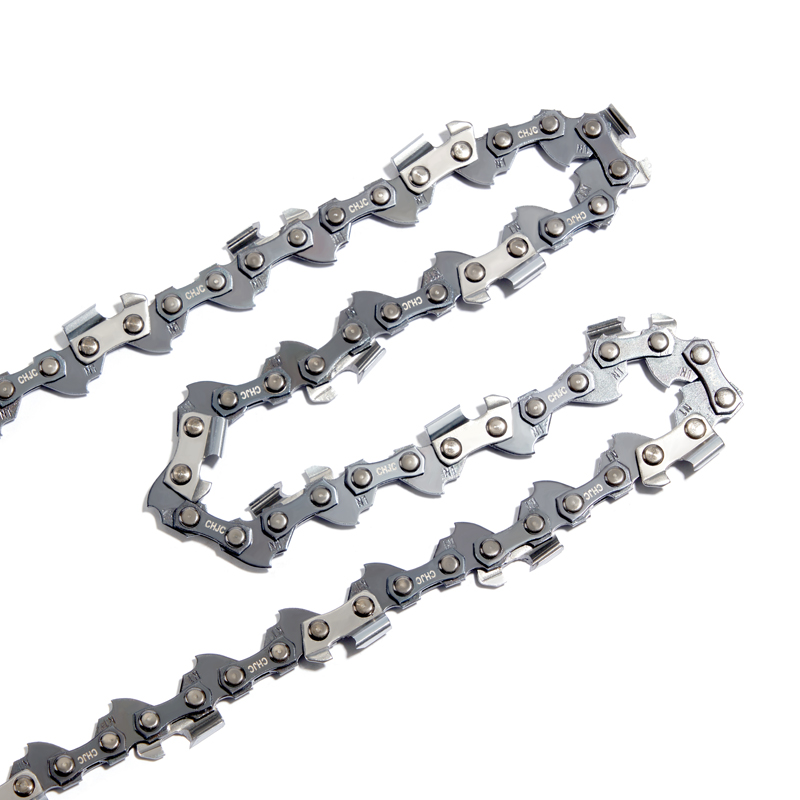
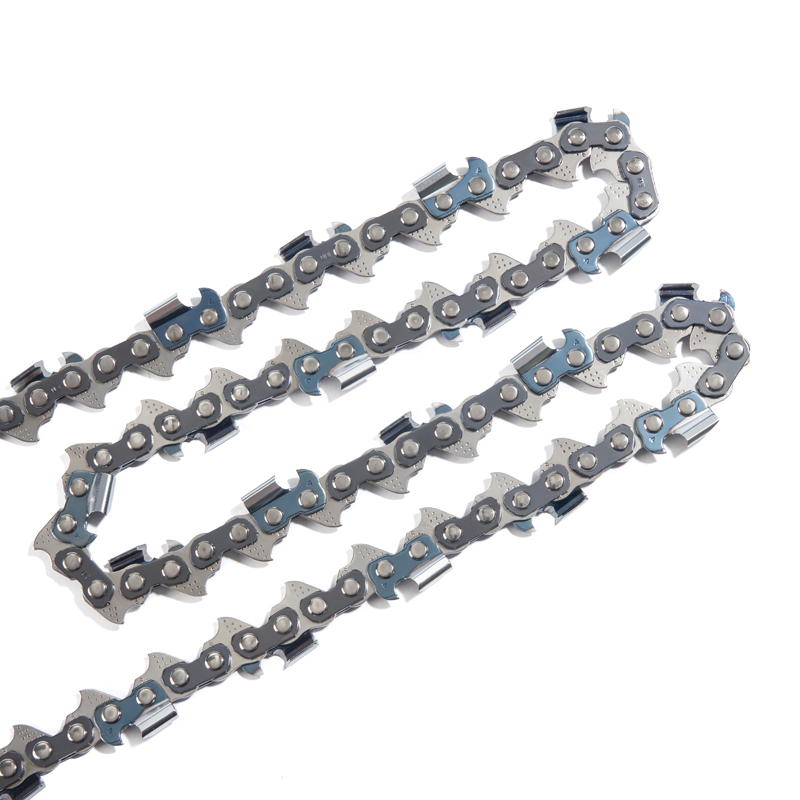
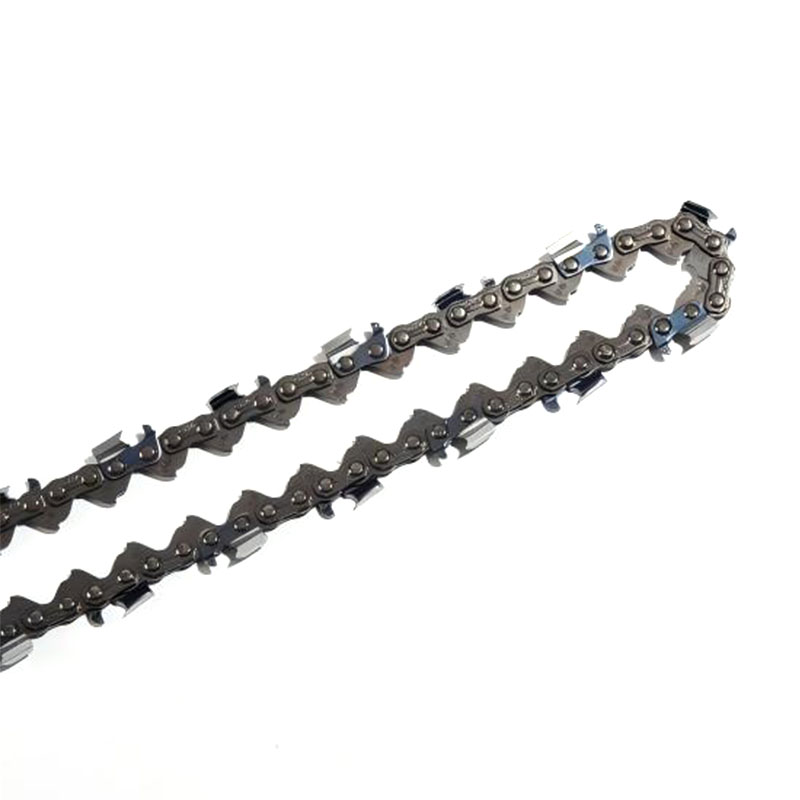
On small gas saws and electric saws used for pruning, firewood, and limbing, a low-profile loop reduces vibration and kickback tendency. A 3/8" LP low-profile saw chain is precisely built for the narrow-groove bars found on most homeowner models. Keep its cutters sharp, because a dull low-profile chain drags and puts heat where you do not want it. Our guide covers how to maintain and sharpen a low-profile saw chain for longevity.
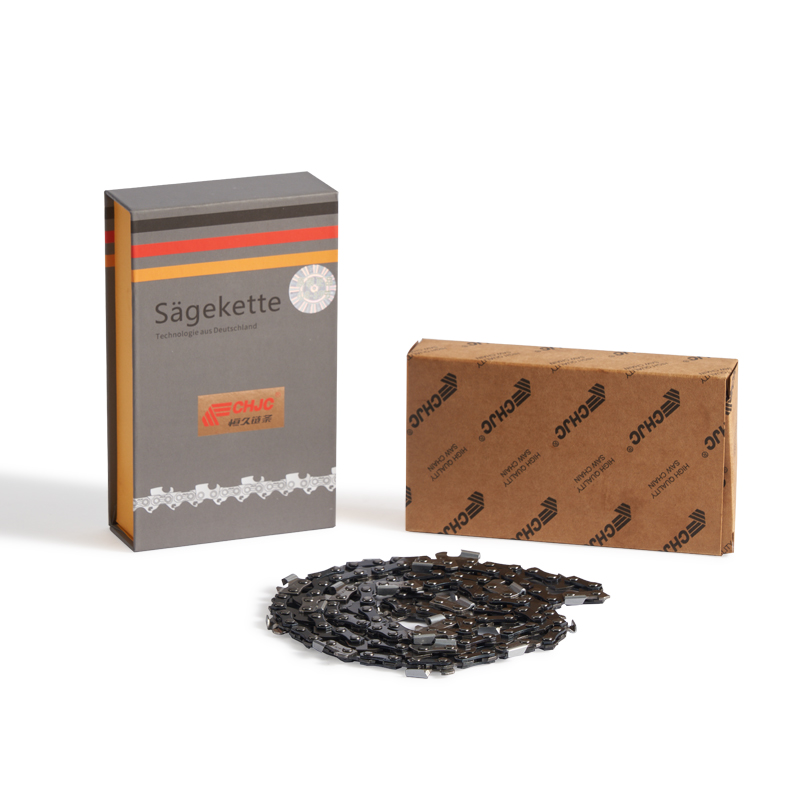 Wholesale 3/8" LP .050" SAW CHAIN Suppliers, Company - Zhejiang Hengjiu Saw ChaiZhejiang Hengjiu Saw Chain Co., Ltd. is China Wholesale 3/8View Product →
Full-chisel chains for maximum cutting speed
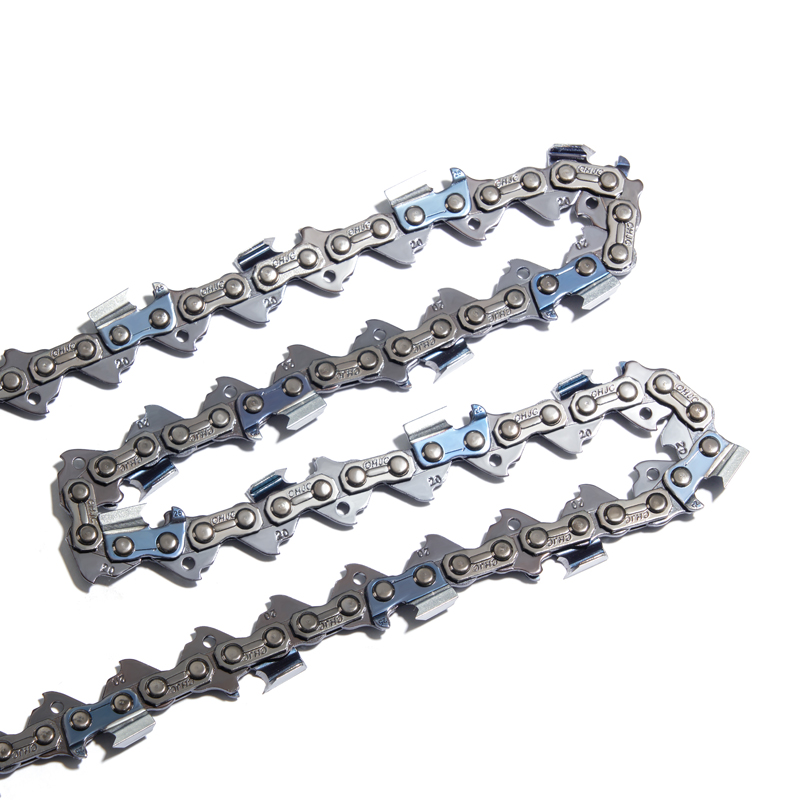
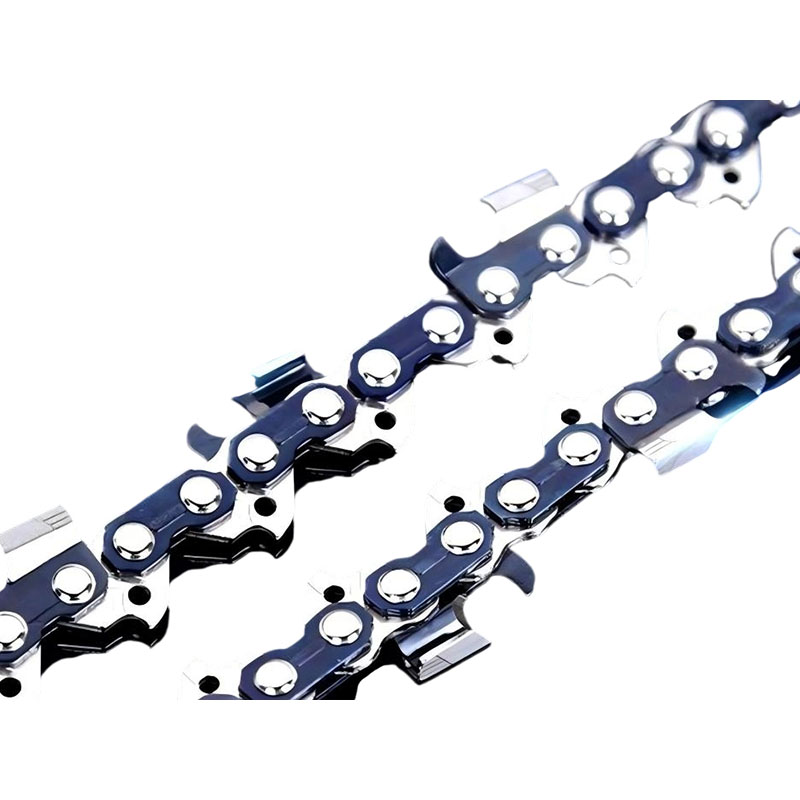
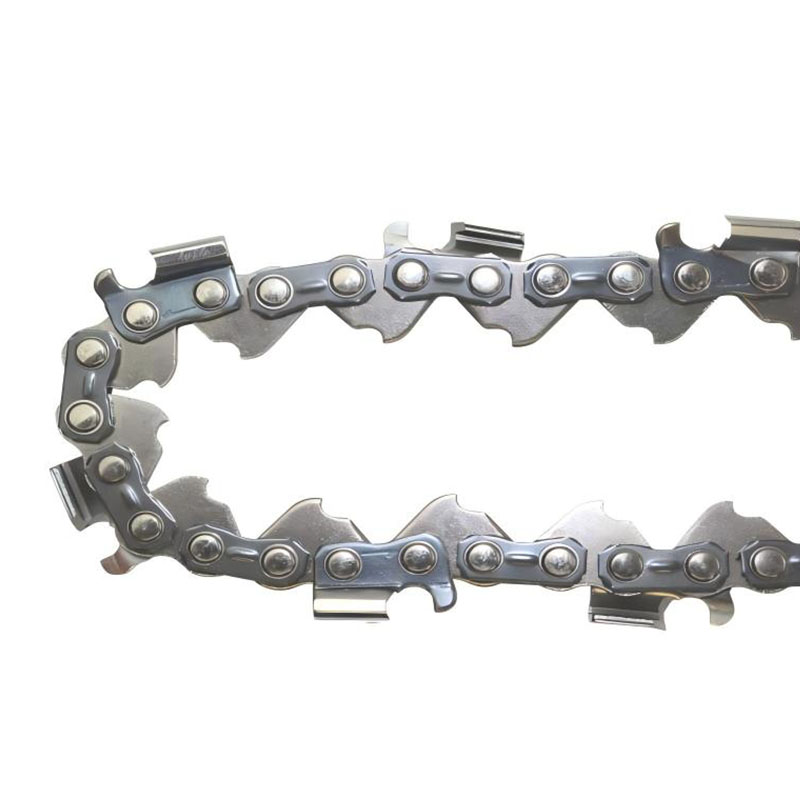
Operators cutting clean softwood or freshly felled hardwood often choose a full-chisel profile. The square-cornered cutters bite aggressively and out-produce other profiles in straight, knot-free wood. On a true, dressed bar, a 3/8" full-chisel saw chain delivers the fast, hungry cut that production jobs demand. The trade-off is that the same sharp corner dulls quickly in dirty or frozen wood.
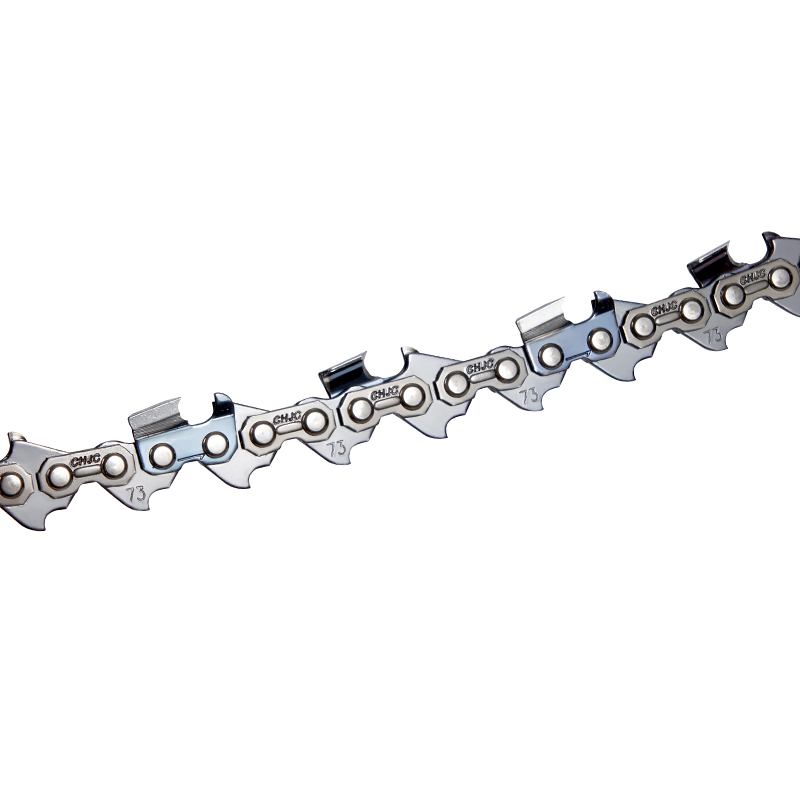 Wholesale 3/8" .050" SAW CHAIN Suppliers, Company - Zhejiang Hengjiu Saw Chain CZhejiang Hengjiu Saw Chain Co., Ltd. is China Wholesale 3/8View Product →
.325" for balanced professional workloads
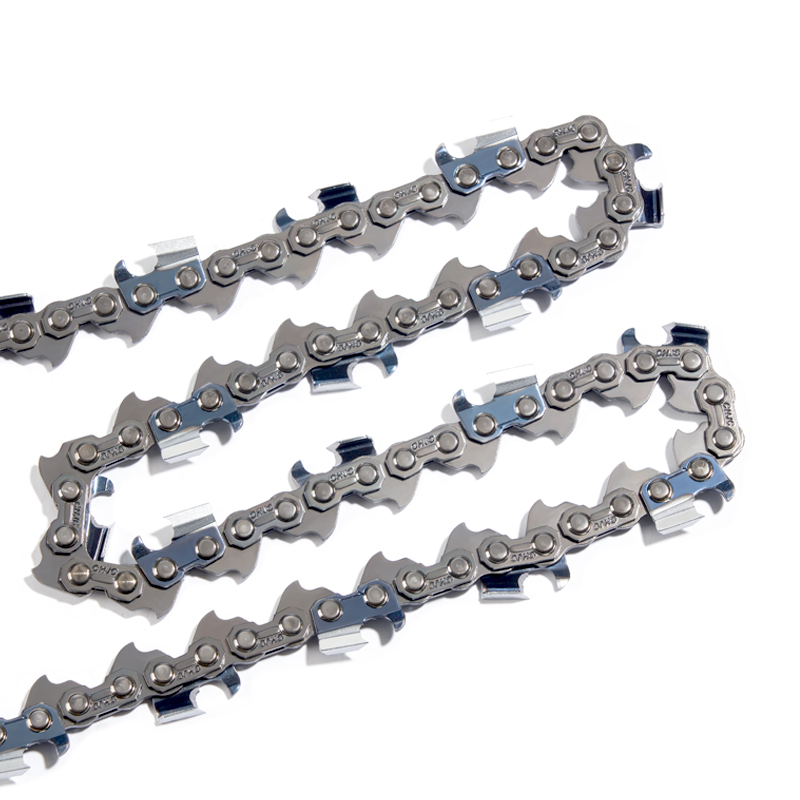
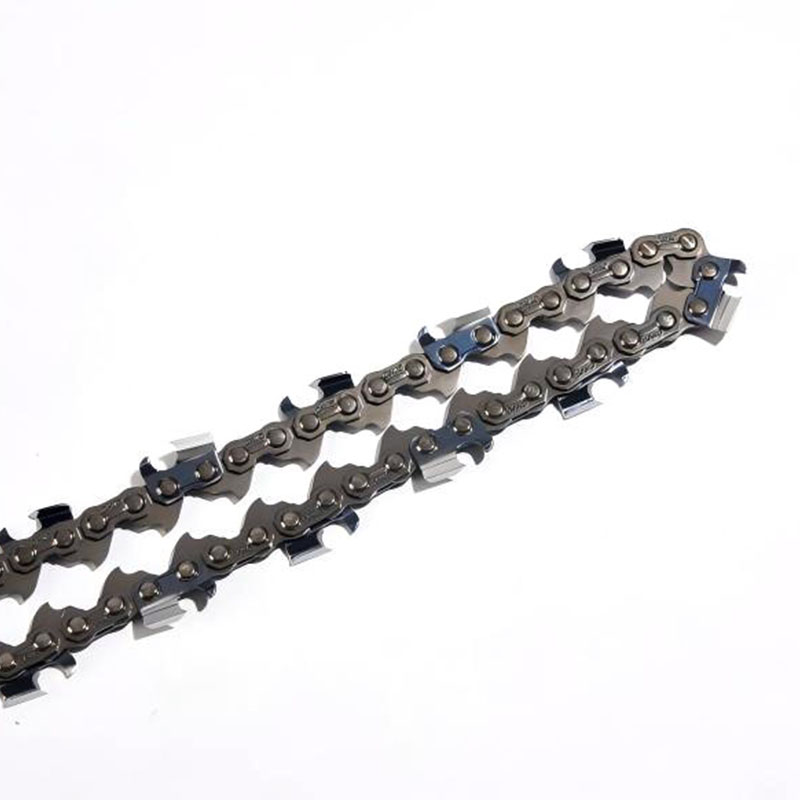
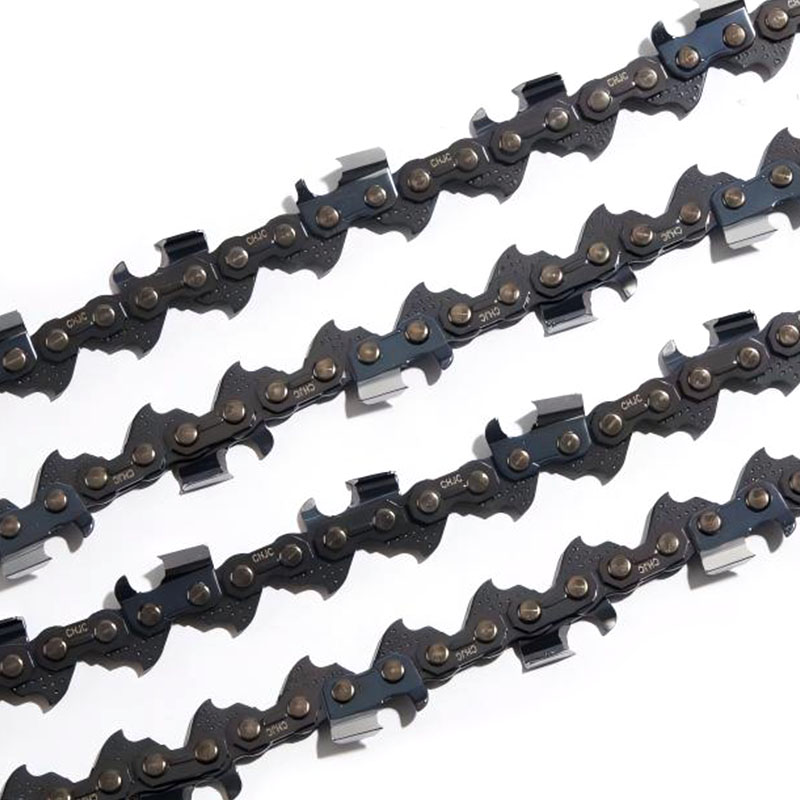
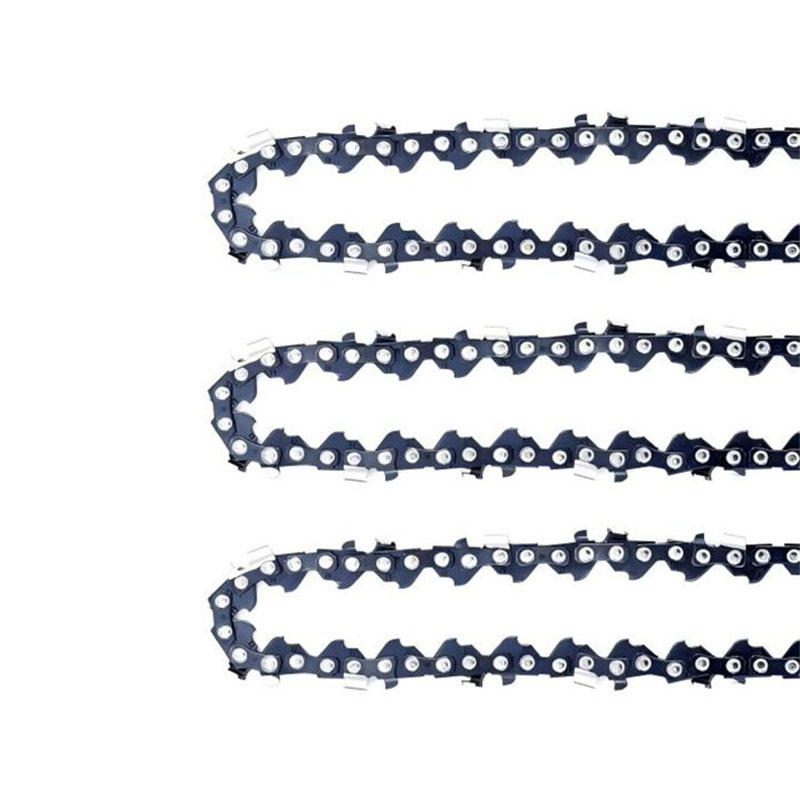
Many loggers settle on .325" because it splits the difference between cutting speed and kickback control: strong enough for long bars, fast enough for daily production, and calmer than large-pitch chains. A .325" full-chisel saw chain paired with a serviced guide bar gives the balanced, predictable cutting that professional users expect across mixed timber.
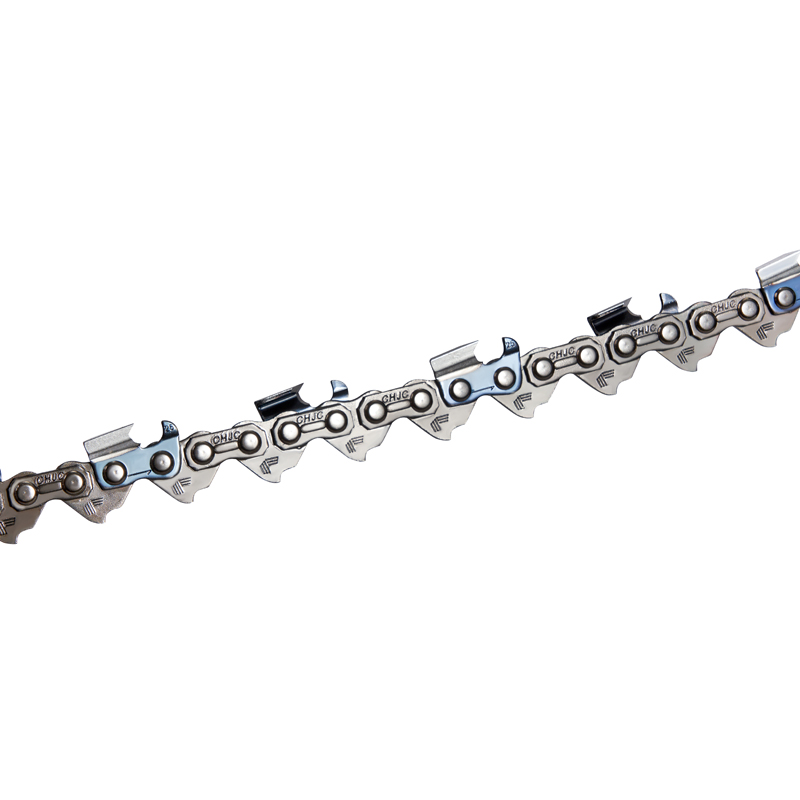 Wholesale .325" .050" SAW CHAIN Suppliers, Company - Zhejiang Hengjiu Saw Chain Zhejiang Hengjiu Saw Chain Co., Ltd. is China Wholesale .325View Product →
Whichever chain you choose, the lesson stays the same. A clean, flat, well-lubricated bar lets a quality chain cut at its best instead of fighting a poor surface.