English
 中文简体
中文简体
 русский

Content
- 1 The Three Numbers That Define a Chainsaw Chain Size
- 2 Pitch: The Measurement That Must Match the Sprocket
- 3 Gauge: Matching Drive Link Thickness to the Bar Groove
- 4 Drive Link Count: Why Bar Length Alone Is Not Enough
- 5 Low-Profile vs Standard: The Same Pitch Can Behave Differently
- 6 Tooth Geometry: Full Chisel, Chipper, and Semi-Chisel
- 7 How to Measure a Worn Chain and Verify a Replacement
- 8 Sourcing Custom Chain Sizes: What B2B Buyers Should Verify
Your saw bogs down in the cut, the chain rattles on the bar, or the drive links will not seat in the sprocket. Before you blame the fuel mix or the wood, check the three numbers that define every chainsaw chain: pitch, gauge, and drive link count. Get any one of them wrong, and a new chain can damage a bar or sprocket in minutes. The correct chain is not simply the one that looks closest on the shelf. This guide explains what each number means, how to measure a worn chain, and what to verify before ordering a replacement.
The Three Numbers That Define a Chainsaw Chain Size
Chain size comes down to three measurements. Pitch controls how the chain engages the sprocket. Gauge controls how the drive links sit in the bar groove. Drive link count controls the total length of the loop. A chain is only correct when all three match your saw, bar, and sprocket.
| Measurement | What It Defines | Common Values | Risk If Mismatched |
|---|---|---|---|
| Pitch | Spacing between rivets and sprocket engagement | 1/4 in, 3/8 in LP, .325 in, 3/8 in, .404 in | Chain jumps, binds, or wears the sprocket unevenly |
| Gauge | Thickness of the drive link inside the bar groove | .043 in, .050 in, .058 in, .063 in, .080 in | Narrow chains wobble; wide chains seize and overheat |
| Drive Link Count | Total loop length and fit around bar and sprocket | Varies by bar length and sprocket tooth count | Chain will not fit, or it runs too loose or too tight |
For most buyers, the safest habit is to treat these as a set. A .325-inch chain with the right gauge but the wrong drive link count still will not run properly, and a chain that fits the bar but not the sprocket can fail under load.
Pitch: The Measurement That Must Match the Sprocket
Pitch is the distance between any three consecutive rivets, divided by two. It is measured in inches and is usually stamped on the bar or listed in the saw manual. The common families are 1/4 inch, 3/8 inch low profile, .325 inch, 3/8 inch standard, and .404 inch.
3/8-inch low profile and 3/8-inch standard share a nominal fraction, but they are not interchangeable. Low-profile chain uses a smaller drive link and a lower cutter, which suits compact saws and reduces kickback. Standard 3/8-inch chain handles more power and is common on larger felling and bucking saws. Sprockets are cut for one pitch family, so a chain that looks close can still skip under load.
To check pitch, clean the old chain, place calipers across three rivets, and divide the reading by two. If the result lands near .325, 3/8, or .404, match that family rather than forcing a chain that only roughly fits.
Gauge: Matching Drive Link Thickness to the Bar Groove
Gauge is the thickness of the drive link where it enters the bar groove. If pitch is the chain’s length rhythm, gauge is its width. The common gauges are .043, .050, .058, .063, and .080 inch. Tiny differences matter: .050 and .058 inch chains can look similar on a bench but will not both fit the same bar.
A chain that is too narrow for the groove will wobble, cut unevenly, and wear the bar rails. A chain that is too wide will bind, overheat, and may not turn by hand. On used bars, the groove can widen from wear, which is one reason a gauge that worked when the bar was new may no longer be safe.
Most bars have the gauge stamped near the mounting slot or printed on the bar body. If the stamp is gone, measure the drive link thickness with a caliper and compare it to the bar’s original specification. Do not guess from the saw model alone, because the same saw platform can be sold with different bar and chain combinations.
Drive Link Count: Why Bar Length Alone Is Not Enough
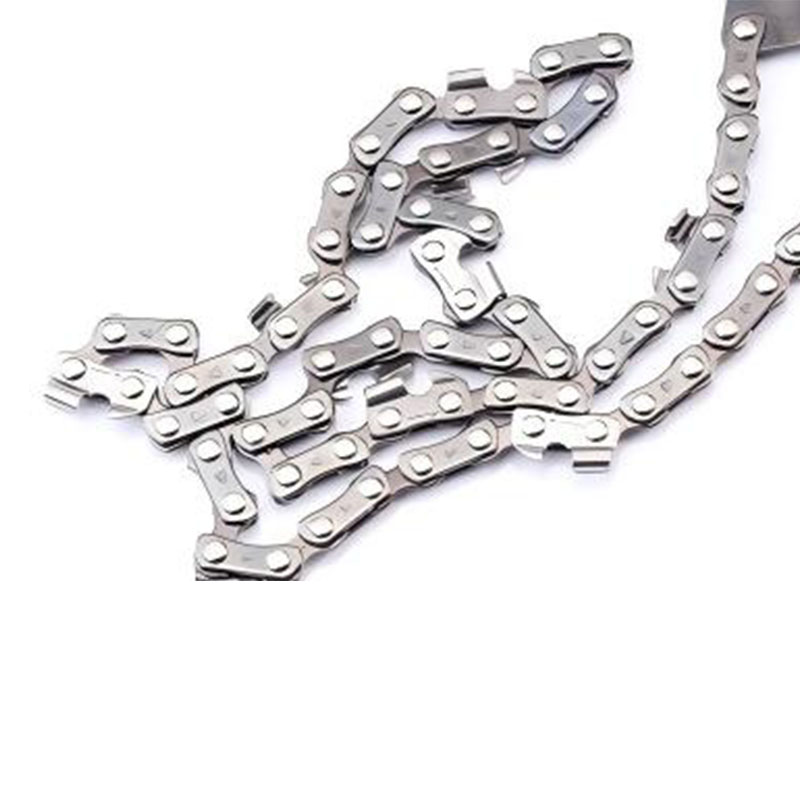
Drive link count is the number of drive links in the loop, and it sets the chain’s total length. Two saws with the same bar length can require different counts because their sprockets have different tooth counts. A seven-tooth sprocket and an eight-tooth sprocket change how far the chain travels around the bar, so the loop length must change with it.
Counting the old chain is still the most reliable method. Lay it flat, mark the first link, and count every drive link until you return to the mark. Count twice. If the old chain is broken or stretched, compare the count with the bar’s recommended chain and the sprocket tooth count before ordering.
A chain that is one link short will not close. One link too long can run loose, jump the sprocket, and damage the bar nose. For professional users, a spare loop with the verified count is cheaper than a downtime claim.
Low-Profile vs Standard: The Same Pitch Can Behave Differently
Low-profile chain is built for smaller displacement saws, pole pruners, and light limbing work. Its cutters are lower and its drive links are smaller, which reduces kickback and makes the saw easier to control. Standard-profile chain is designed for higher power and longer cuts. Putting a standard chain on a low-profile sprocket, or the reverse, causes rapid wear even if the pitch number looks similar.
If you are comparing the two for a specific saw, a practical comparison of low-profile and standard saw chain behavior can help clarify the trade-offs before you commit to a spool or a full loop.
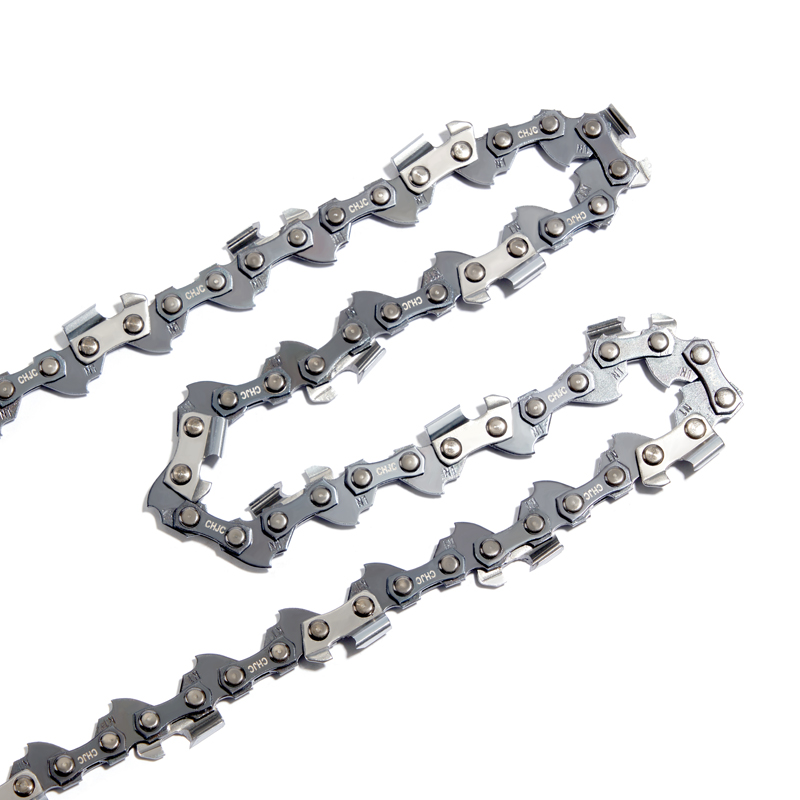
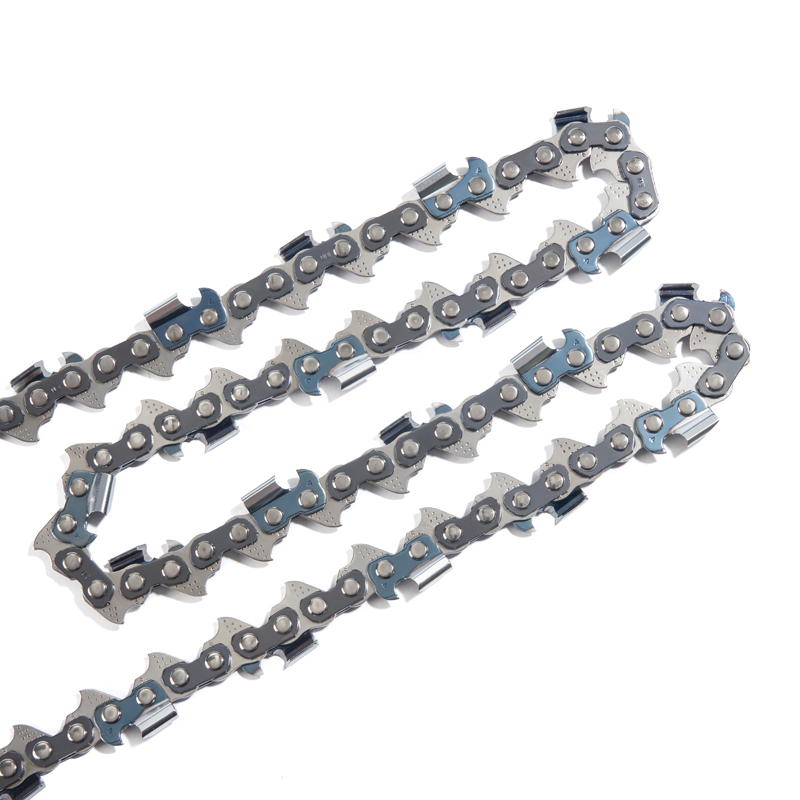
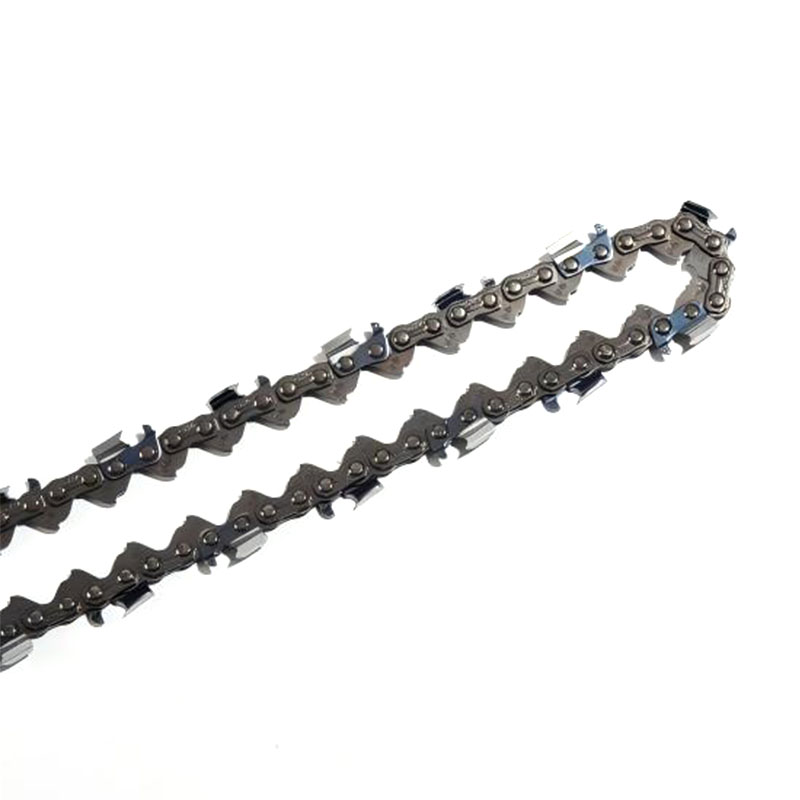
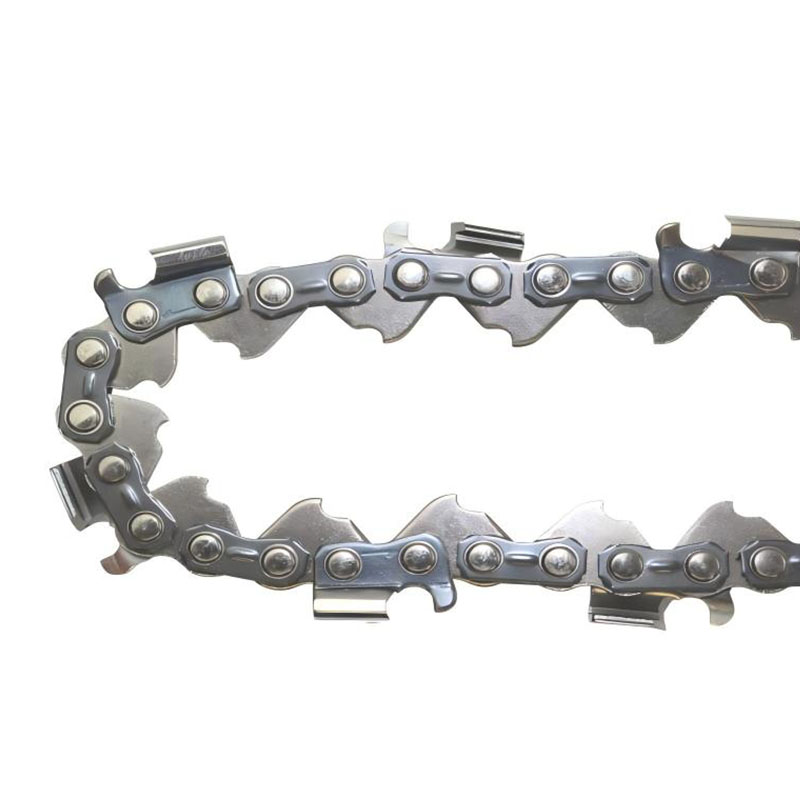
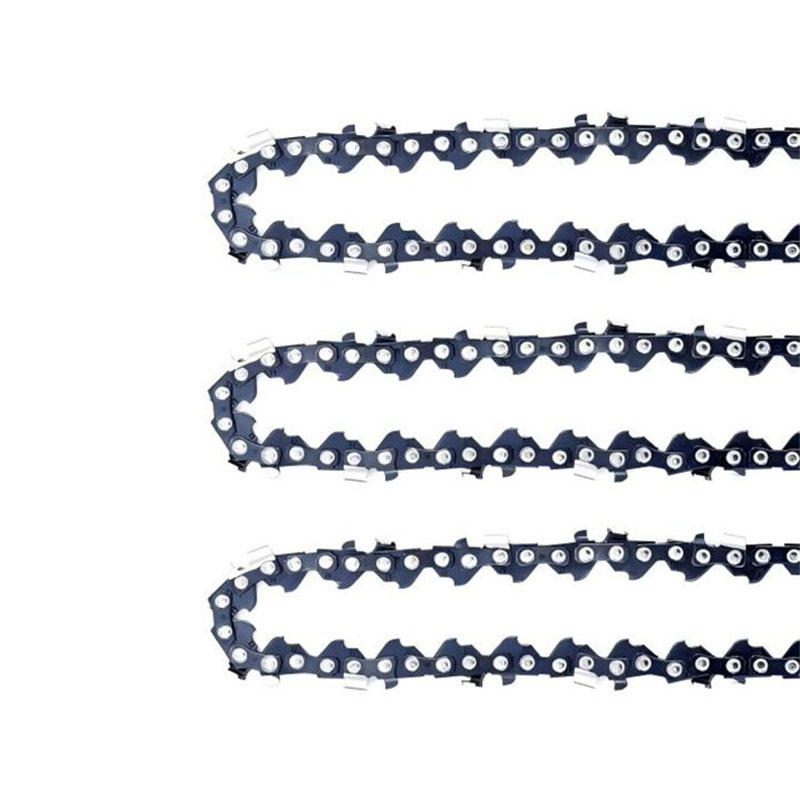
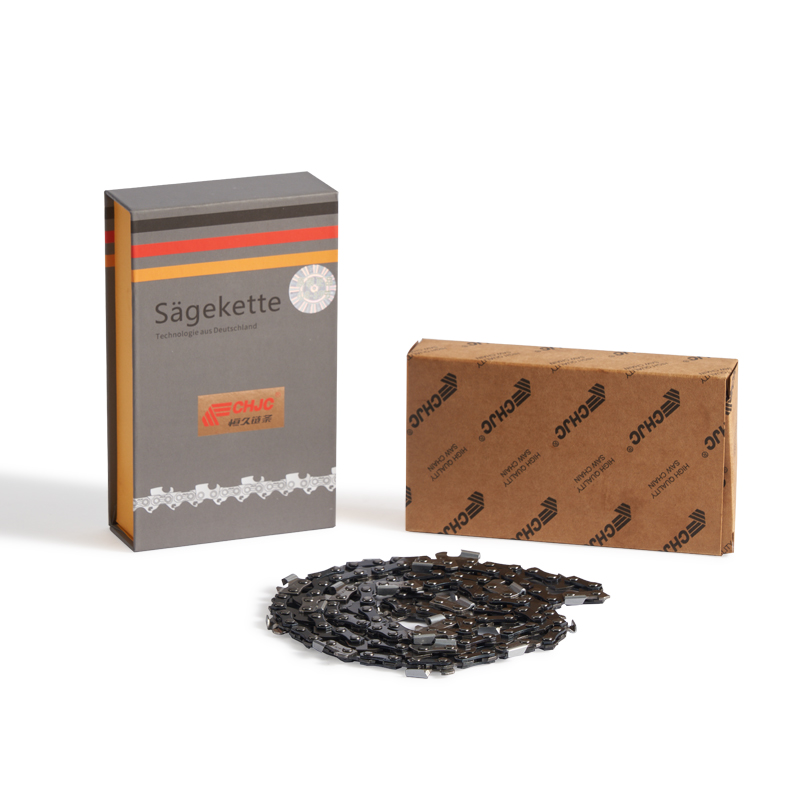 3/8-Inch Low-Profile .050-Inch Saw Chain for Lightweight ChainsawsLow-vibration 3/8-inch LP .050-inch chain with semi-chisel or full chisel cutters, suited to homeowners and orchardists trimming, chopping wood, and felling with lightweight saws.View Product →
Tooth Geometry: Full Chisel, Chipper, and Semi-Chisel
Tooth geometry changes cutting speed, durability, and kickback risk, but it does not change the size class. Full chisel cutters have a square corner that slices clean wood quickly. Chipper cutters have a rounded profile that stands up to dirty bark, nails, and frozen timber. Semi-chisel sits between the two and is often chosen for general firewood work.
For high-production cutting in clean softwood, a full chisel chain can improve speed per tank. For land clearing, storm cleanup, or mixed hardwood, a chipper or semi-chisel chain may last longer between sharpenings. The right answer depends on wood condition, operator skill, and how often the chain can be filed.
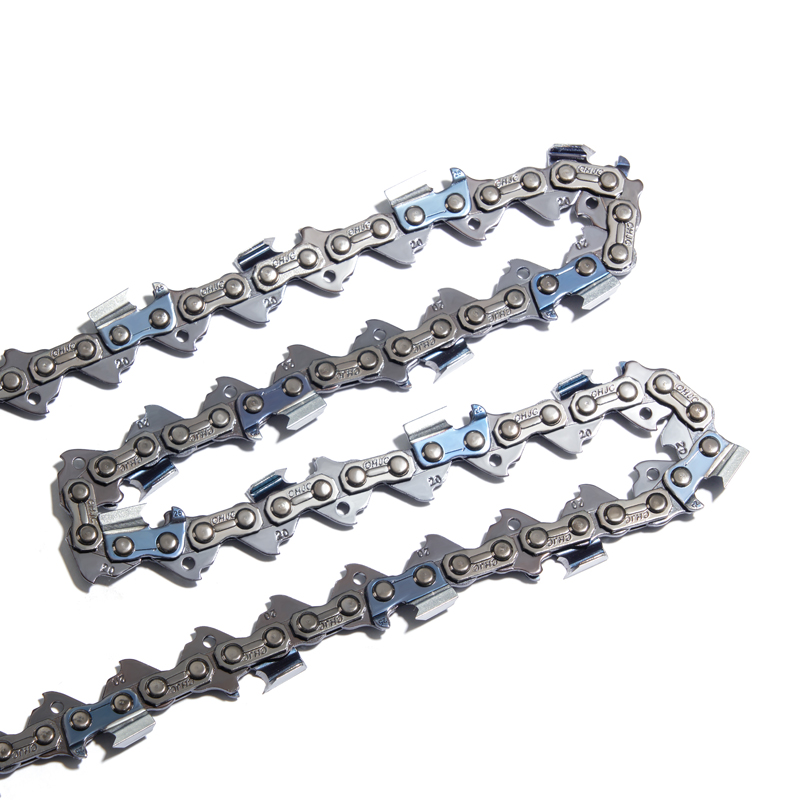
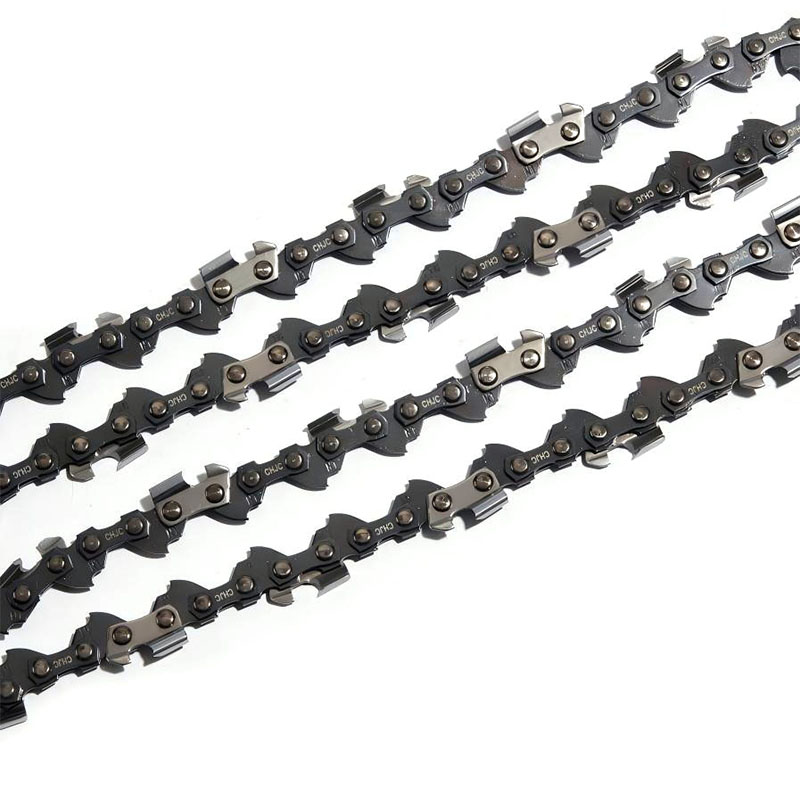
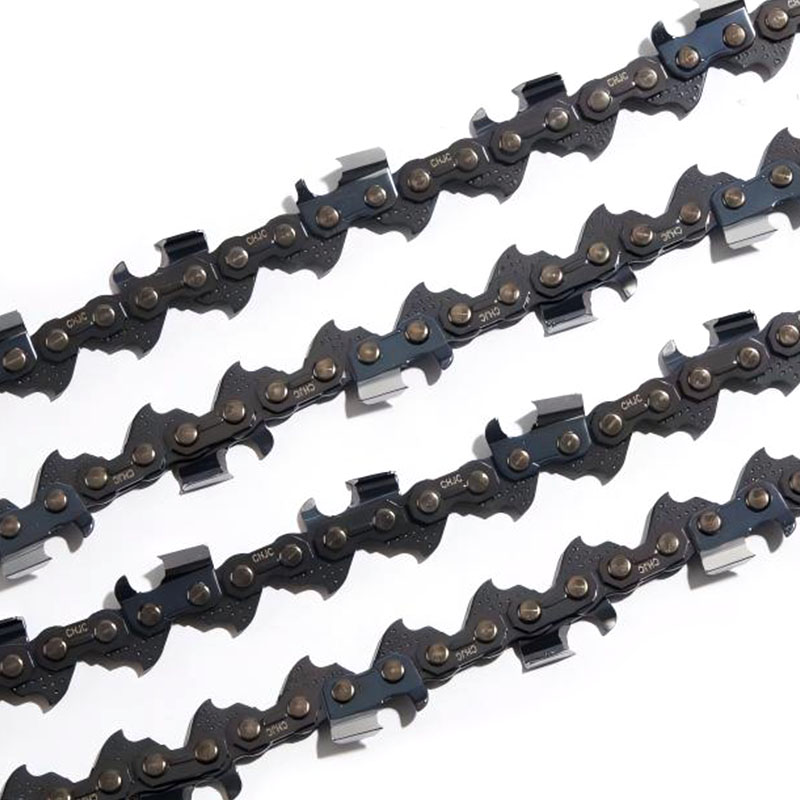
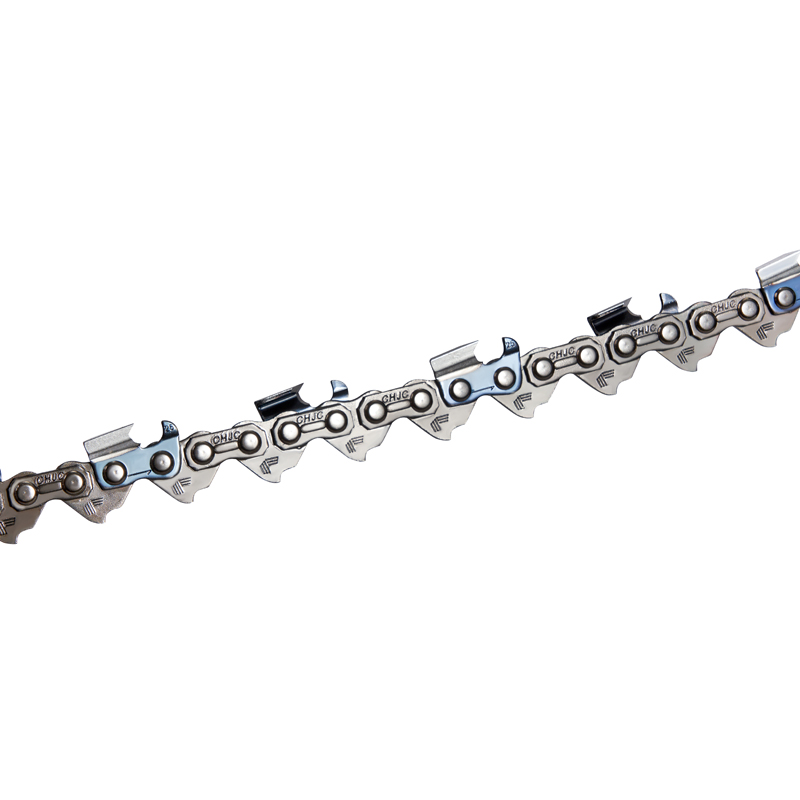 .325-Inch .050-Inch Saw Chain for Professional Forestry and LoggingLow-vibration .325-inch .050-inch chain with blued semi-chisel or full chisel cutters, built for felling, delimbing, firewood cutting, and young-stand maintenance in demanding professional work.View Product →
How to Measure a Worn Chain and Verify a Replacement
Use this sequence when the old chain is still available. It takes a few minutes and prevents most ordering errors.
- Switch off the saw, disconnect the spark plug or battery, and wear gloves.
- Clean the old chain and bar so the stampings and drive links are visible.
- Read the bar for pitch, gauge, and recommended drive link count.
- Count the old chain’s drive links twice, marking the starting link.
- Measure the drive link thickness with a caliper and compare it with the bar gauge.
- Check the sprocket for wear, and confirm its tooth count and pitch family.
- Match all three numbers before ordering a replacement loop or reel.
If the bar stamping is missing, use the saw manual and sprocket markings as your next reference. A worn sprocket can make a correctly sized chain run poorly, so replace sprockets that show hooked teeth or deep grooves. When in doubt, order by the old chain’s count rather than by bar length alone.
Sourcing Custom Chain Sizes: What B2B Buyers Should Verify
For importers, distributors, and OEM buyers, chain size is a specification problem before it is a price problem. A supplier should be able to confirm pitch, gauge, drive link count, cutter type, and packaging in writing. The product range should cover the sizes your market actually uses, from 1/4 inch and 3/8 inch low profile through .325 inch, 3/8 inch standard, and .404 inch families.
Zhejiang Hengjiu Saw Chain Co., Ltd. operates as a custom saw chain factory backed by the Hengjiu Machinery Group, which was founded in 1953 and has more than 70 years of chain drive manufacturing experience. Group resources include eight manufacturing plants and R&D centers, two nationally recognized high-tech enterprises, provincial technology centers, a post-doctoral research station, three testing centers, and three mold-making centers, with more than 1,660 employees. For saw chain buyers, that background matters most in mold development, heat treatment consistency, and the ability to produce non-standard drive link counts or cutter configurations.
Before placing a bulk order, ask for a sample loop in the exact pitch, gauge, and link count, then test it on the target saw and wood condition. Confirm the hardening process, tensile strength, and anti-rust treatment, especially for humid markets. Check that the sprocket family matches the chain and that packaging protects the loop during ocean freight. A supplier who can document those details is easier to audit than one who only quotes a low price per reel.
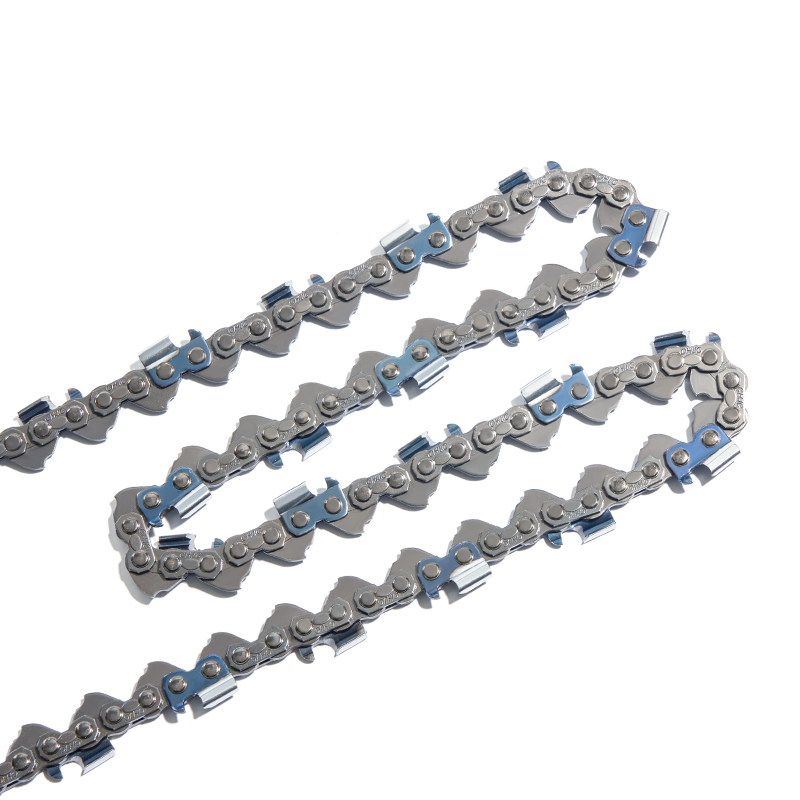
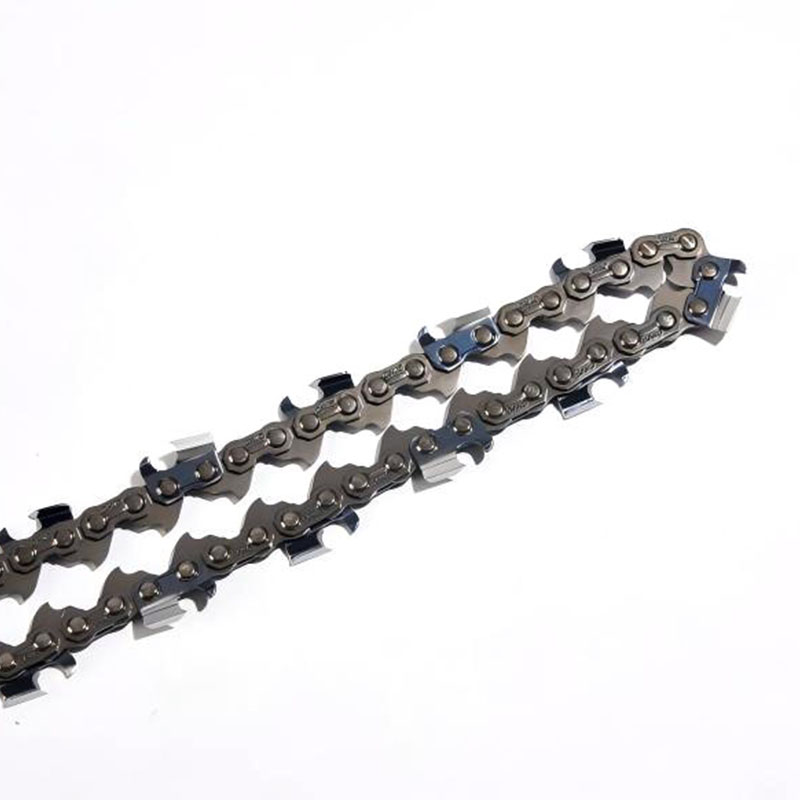
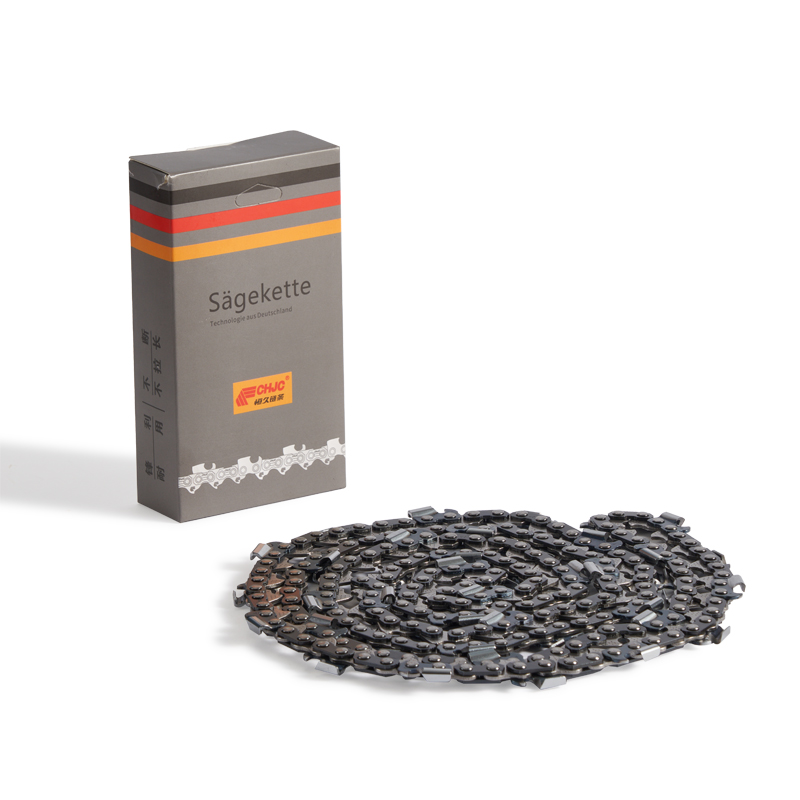 .404-Inch .063-Inch Big-Timber Saw Chain for High-Powered ChainsawsHeavy-duty .404-inch .063-inch chain with blued cutters and larger tooth spacing, intended for felling, bucking, and limbing thick, dense wood with high-powered saws.View Product →
Chainsaw chain sizes are not a single number. They are a three-part specification: pitch for the sprocket, gauge for the bar groove, and drive link count for the loop length. Once those three match, cutter geometry becomes the next decision, and it should follow the wood, the saw’s power, and the operator’s experience.
Whether you are replacing one loop for a farm saw or sourcing thousands of chains for a distribution program, verify the numbers before the order. That habit prevents damaged bars, poor cutting performance, and the kind of downtime that no price discount can offset.