English
 中文简体
 русский

Content
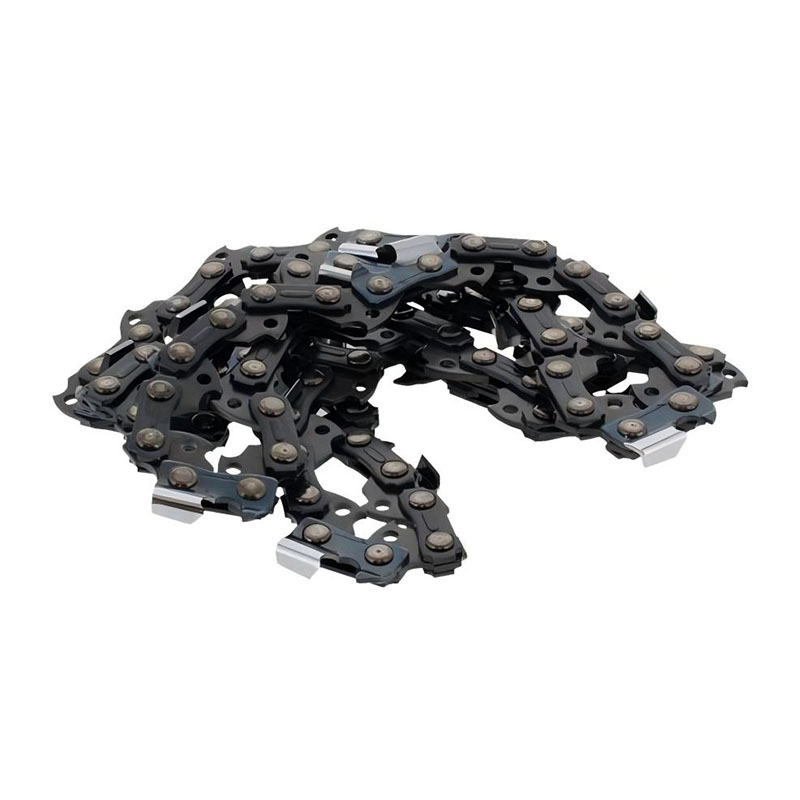
A 50cc saw wearing a .325 pitch full-chisel chain can drop a clean softwood limb in seconds; put the same chain into sandy bark or frozen hardwood, and it may need a file before lunch. The difference is cutter geometry — the shape of the tooth that scores, lifts, and clears wood. Cutter type is the first performance decision; pitch and gauge are the fit decisions. Match the tooth to the wood and the saw, then confirm drive-link count and bar groove width. Get those three right, and a mid-priced chain will outperform a premium chain chosen for the wrong job.
Fit Comes Before Cutter Style
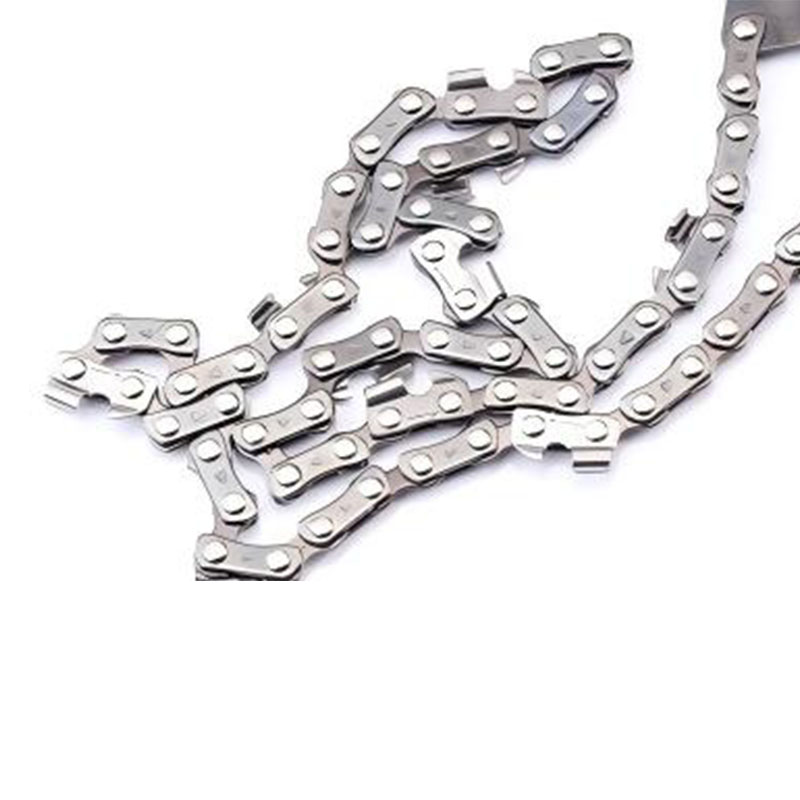
No cutter type saves a chain that does not sit properly on the bar. Pitch is the distance between three rivets divided by two, and it must match the drive sprocket. Gauge is drive-link thickness, and it must match the bar groove. Drive-link count sets loop length. A .325 chain will not run on a 3/8 sprocket, and a .050 gauge chain will wander in a .058 bar groove.
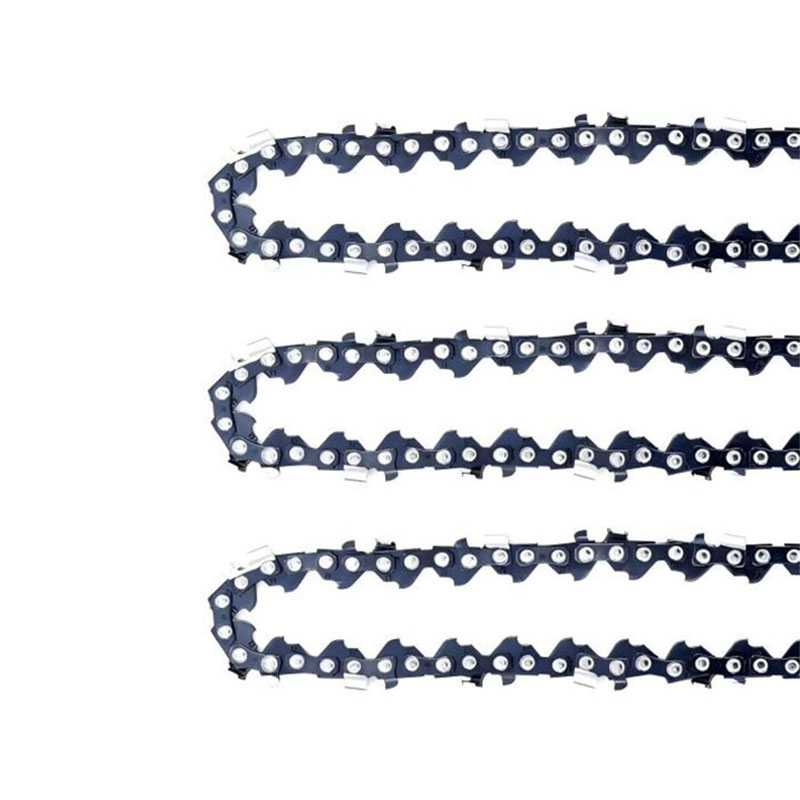
For compact saws, low-profile chain reduces weight and kickback. A 3/8-inch low-profile loop still uses 3/8 pitch, but the cutters are shorter and the kerf is narrower. That matters on limbing saws and pruning work. Check the bar stamp before ordering.
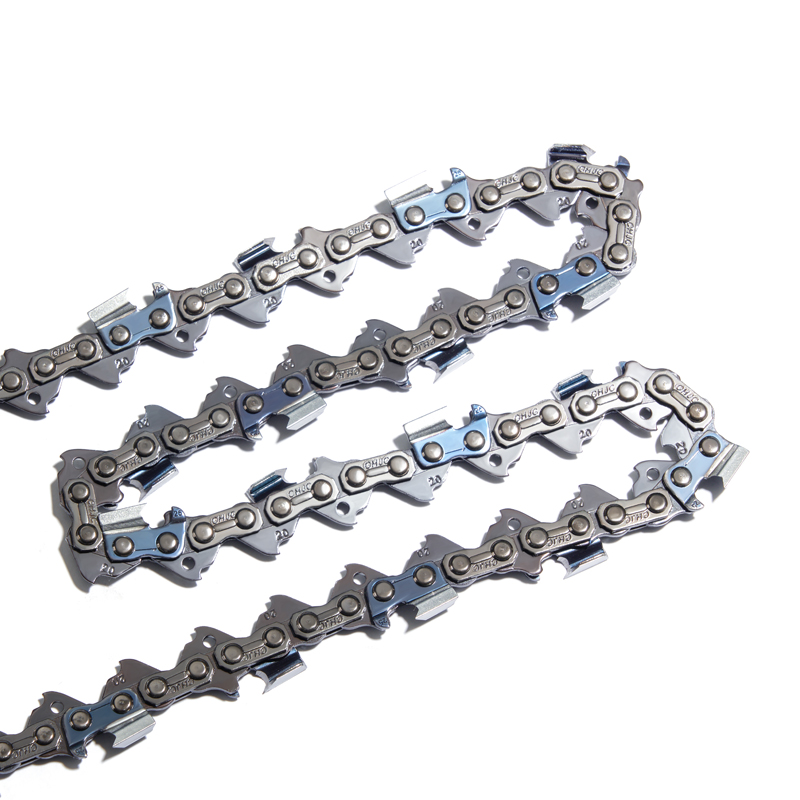
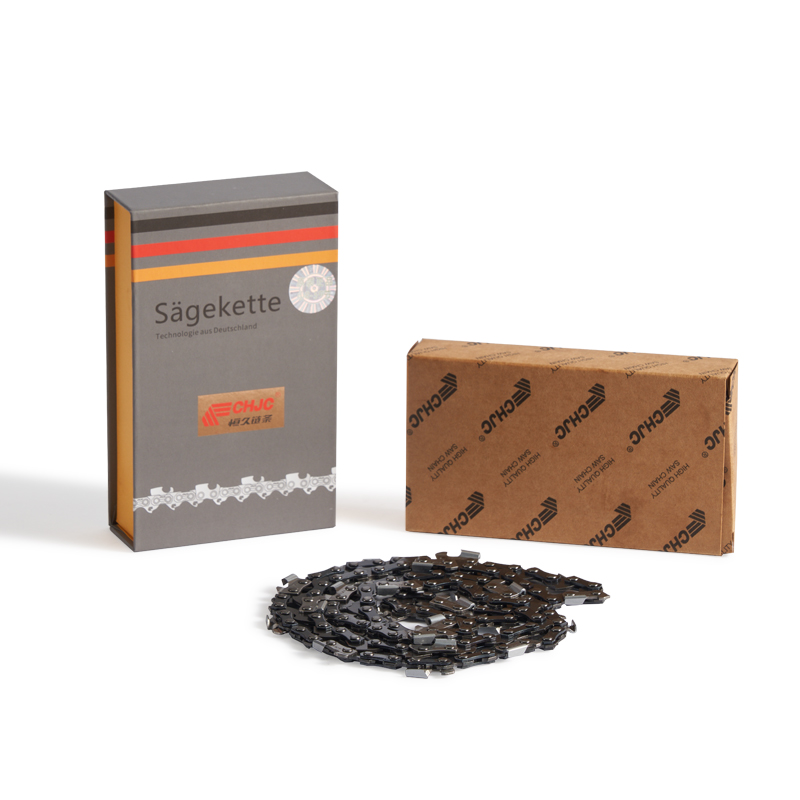 3/8" Low-Profile .050" Chainsaw Chain for Compact SawsLow-profile, low-vibration chain suited to lightweight handheld and electric saws for trimming, limbing, and orchard work; check pitch, gauge, and drive links.View Product →
The Four Main Chainsaw Cutter Types
Most handheld chainsaw work falls into four cutter families. Each one trades speed against edge life, sharpening effort, and kickback risk. The table below gives the practical short version; the notes explain where the differences show up in the cut.
Full Chisel
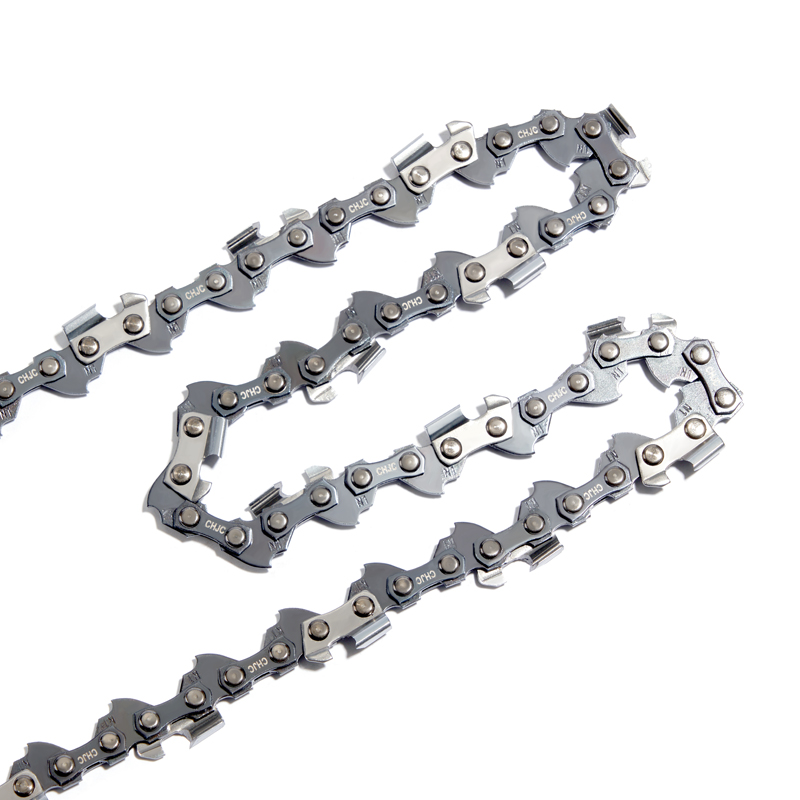
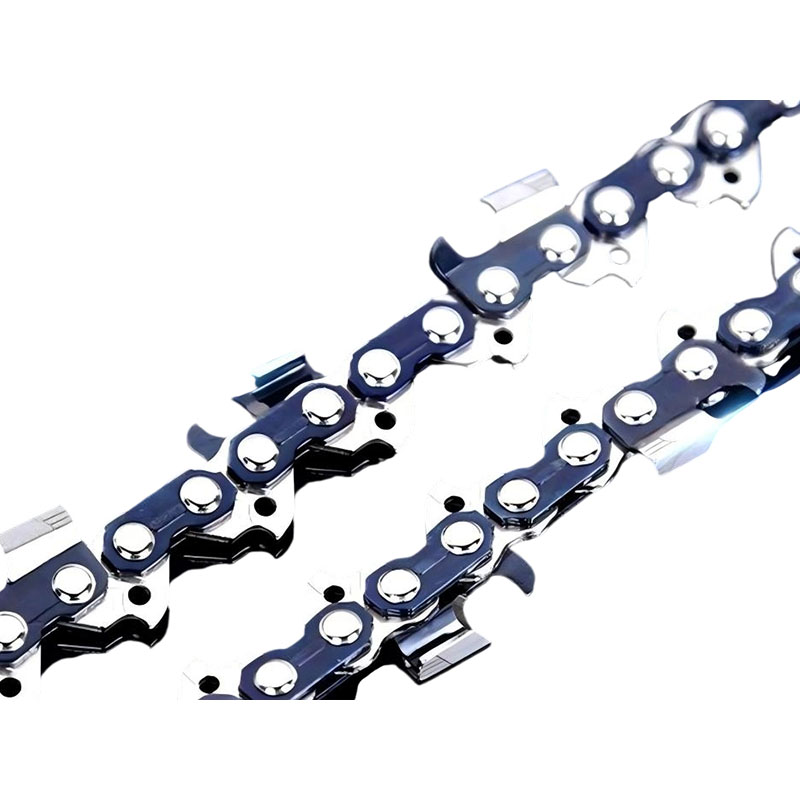
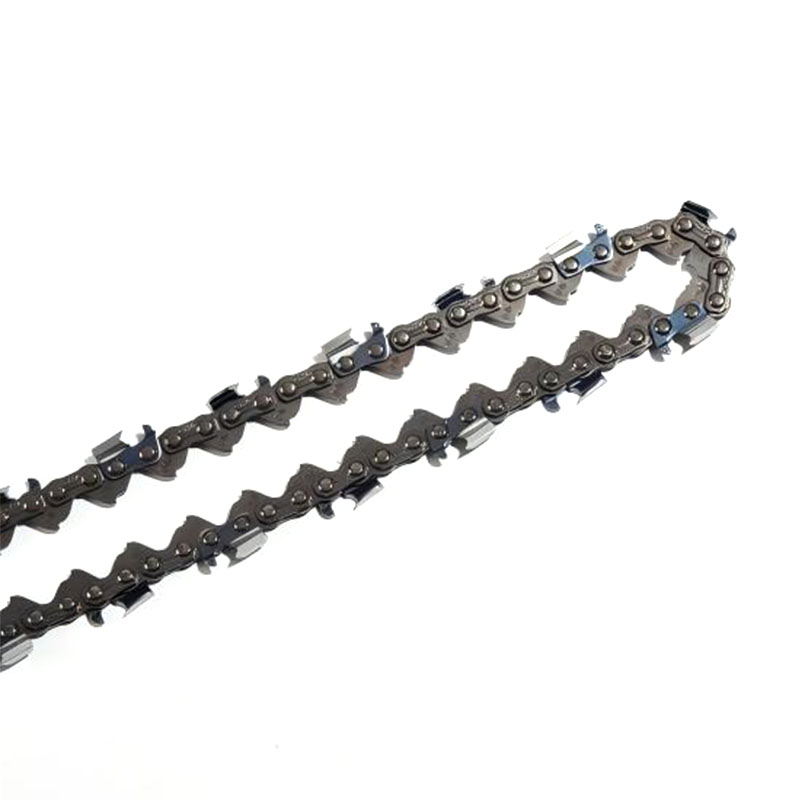
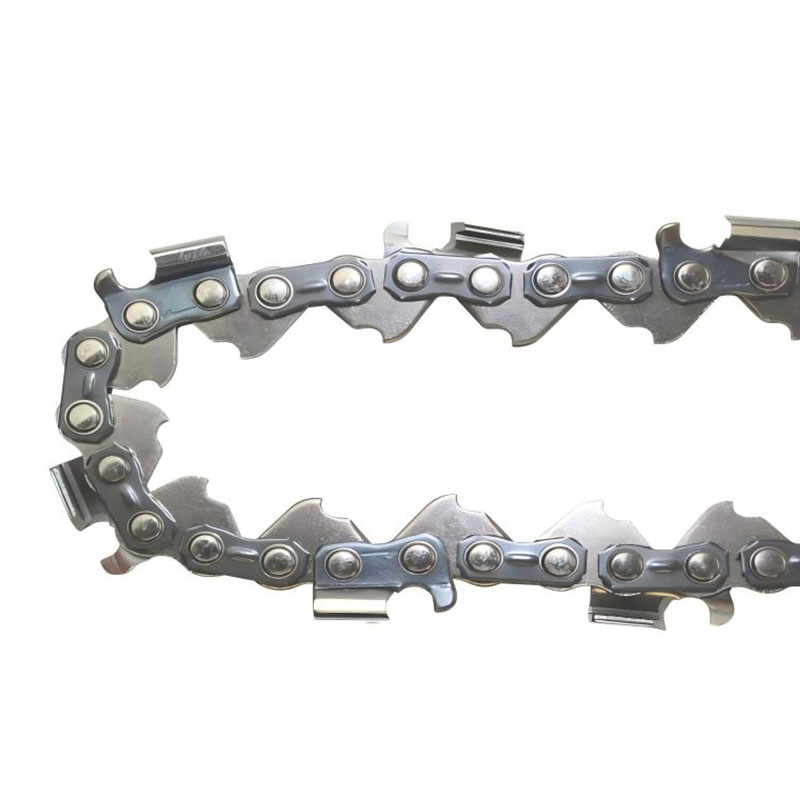
Full chisel has a square-cornered cutting tooth with a sharp point. It cuts fast in clean softwood and hardwood, and it leaves a smooth kerf. It is also the least forgiving in dirty bark, sandy logs, or frozen timber; the point dulls quickly and the chain starts pulling to one side. Use it for production firewood, clean felling, and bucking where speed matters. If you are comparing tooth angles for clean timber, this guide to choosing a full-chisel saw chain walks through the trade-offs.
Semi-Chisel
Semi-chisel has a rounded or blended corner. It gives up a little speed to full chisel but holds an edge longer in gritty wood, dirty bark, and storm cleanup. For arborists and firewood cutters who cut mixed species and do not want to sharpen every tank, it is often the better compromise. It also tolerates less precise filing.
Chipper
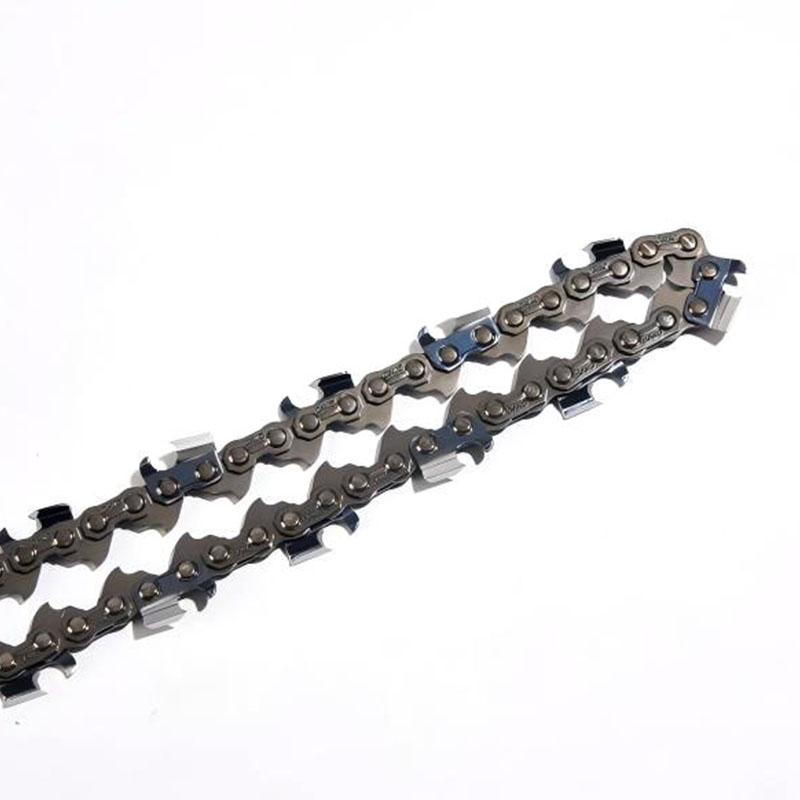
Chipper cutters have a rounded, scoop-like tooth. They are slower than chisel in clean timber but tough in dirty, frozen, or debris-heavy wood. Chipper chain is common on utility saws, pulpwood work, and jobs where a rocked-out chain is a weekly event. The round profile also sharpens with a simple round file. On high-power saws, .404 chipper chain is a common choice for heavy, abrasive work.
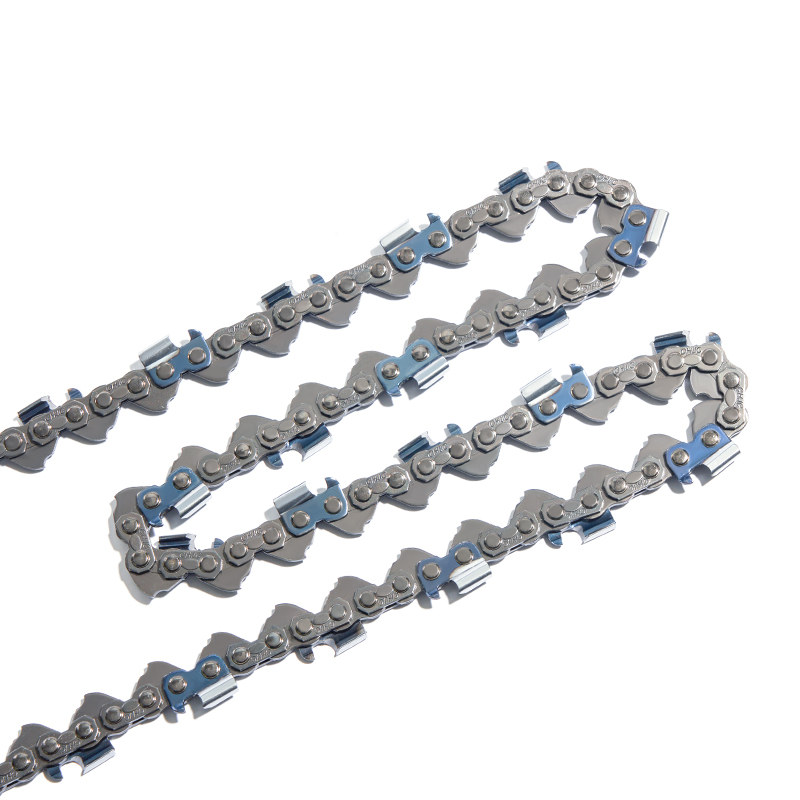
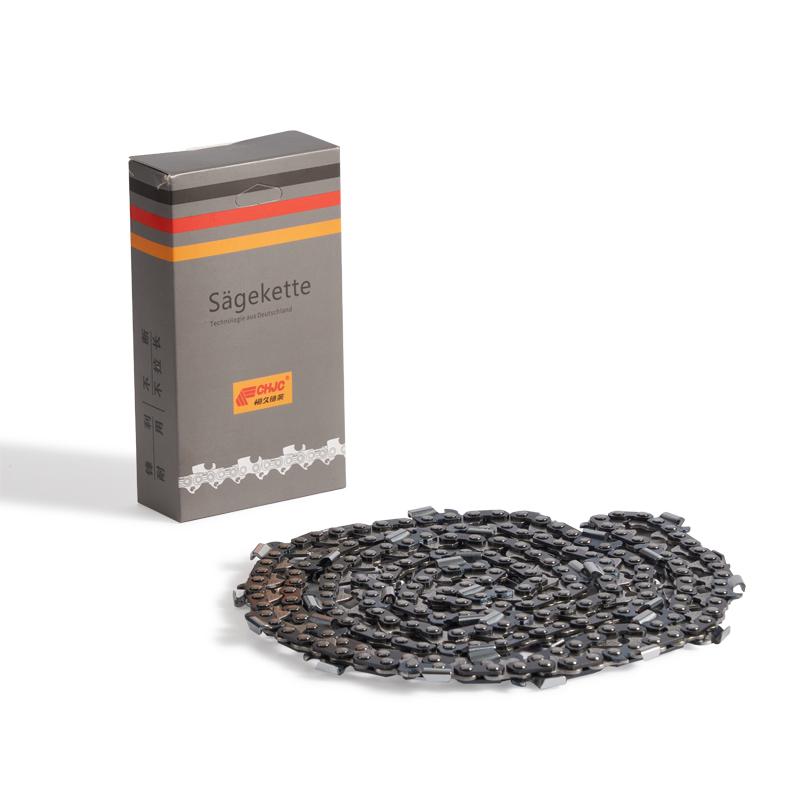 .404" .063" High-Performance Chainsaw Chain for Big TimberBig-timber chain for professional high-powered saws, with semi- or full-chisel cutters and blued corrosion resistance; suited to clean-wood felling, bucking, and limbing.View Product →
Low-Profile
Low-profile is not a tooth shape in the same sense; it is a smaller cutter platform. The teeth are shorter, the kerf is narrower, and the chain needs less power. It suits top-handle saws, pole saws, and small homeowner saws. It cuts slower in large timber, but it is easier to control and less tiring for pruning and light cleanup.
| Cutter type | Speed in clean wood | Edge life in dirty wood | Sharpening | Typical use |
|---|---|---|---|---|
| Full chisel | Highest | Low | Needs precise angles | Clean felling, bucking, firewood |
| Semi-chisel | High | Medium to high | Forgiving | Mixed wood, storm cleanup |
| Chipper | Moderate | High | Simple round file | Dirty, frozen, utility work |
| Low-profile | Moderate | Varies by tooth shape | Small file, light touch | Pruning, pole saws, small saws |
Niche Cutters and Chain Arrangement
Beyond the four main families, two details change how a chain behaves. Square chisel is a racing and production-felling geometry with a square-ground corner; it is fast but sensitive to filing accuracy and hard debris. Chamfer chisel sits between full chisel and semi-chisel, with a small chamfer on the corner that adds durability without giving up as much speed as a round semi-chisel. Narrow-kerf chain trims cut width to reduce load on small engines; it is common in low-profile and .325 applications.
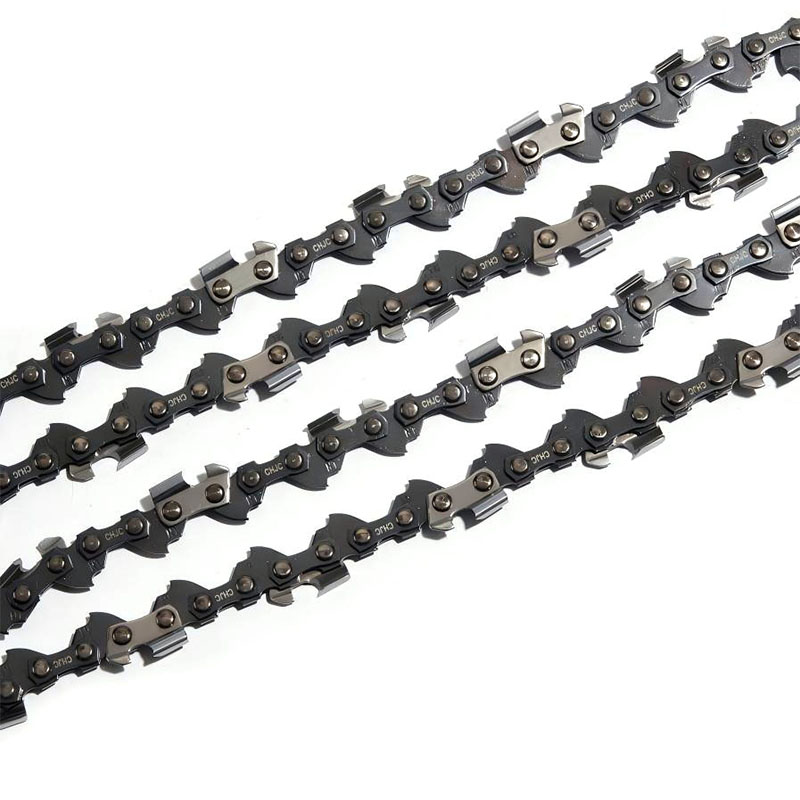
Chain arrangement is separate from cutter shape. Standard sequence has one cutter every two drive links. Semi-skip removes every fourth cutter, and full skip removes every third. Skip chain clears chips better on long bars and reduces the number of teeth to sharpen, but it can feel grabby in small wood. On a 20-inch bar, standard sequence is usually smoother; on a 36-inch bar in softwood, full skip may cut faster because it clears chips and keeps engine speed up.
- Standard: smooth in small and medium bars; more cutters to sharpen.
- Semi-skip: a middle ground for long bars and lower-power saws.
- Full skip: best chip clearance on long bars; less forgiving in small timber.
Match the Cutter to the Job
The fastest way to choose is to name the wood and the risk. Clean softwood and dry firewood reward full chisel. Dirty bark, sandy logs, and frozen hardwood reward semi-chisel or chipper. Pruning and pole-saw work reward low-profile. Production felling with a long bar may call for skip sequence, but only if the saw has enough power to pull it.
| Job | First choice | Why |
|---|---|---|
| Clean softwood felling | Full chisel | Fastest cut in clean wood |
| Storm cleanup and mixed species | Semi-chisel | Balanced speed and edge life |
| Sandy or frozen logs | Chipper | Tough edge in abrasive conditions |
| Pruning and pole saws | Low-profile | Lower weight and kickback |
Sharpening and Inventory Costs
Full chisel rewards a file guide and a light touch. The corner point is easy to round if the file is tilted, and a rounded point turns a fast chain into a slow one. Semi-chisel and chipper tolerate more angle error, which is why they stay popular in crews that sharpen in the field. Depth-gauge setting matters as much as the file size; a few thousandths of an inch too low makes any cutter grabby and increases kickback risk.
For buyers, cutter type affects inventory risk. Carrying full chisel, semi-chisel, chipper, and low-profile in every pitch and gauge multiplies SKUs. A better plan is to stock the two cutter types that match most of your customers' wood and saw mix, then order the rest as needed. Confirm the bar stamp, drive-link count, and gauge before the order leaves the warehouse. A chain that fits but has the wrong tooth is still a return.
A Short Checklist Before You Order
Use this sequence to avoid the common mismatch between a good chain and the wrong saw:
- Read the bar stamp for pitch, gauge, and length; do not guess from the saw model.
- Count drive links on the old loop, or check the bar's specified count.
- Match the cutter to the wood: full chisel for clean speed, semi-chisel for mixed work, chipper for dirty conditions, low-profile for small saws.
- Check sprocket wear; a worn sprocket will ruin a new chain regardless of cutter type.
- Keep one spare loop per saw size, not one spare per cutter type.
The right chainsaw cutter type is the one that keeps the chain cutting straight and the saw pulling cleanly through the wood you actually cut. Start with fit, choose the tooth for the condition, and keep the filing simple. That combination beats a fancy chain on the wrong bar every time.