English
 中文简体
中文简体
 русский

Content
- 1 What Is a .404'' Pitch Saw Chain and Who Needs One
- 2 Two Core Gauge Options: .063'' and .080''
- 3 Why Operators Choose .404'' Chainsaw Chains for Heavy-Duty Work
- 4 Harvester Chain vs .404'' .063'' Saw Chain: How to Pick the Right One
- 5 Practical Layout and Maintenance Tips for Long Chain Life
- 6 Industries That Rely on .404'' Pitch Saw Chains
- 7 Manufacturing Background: Why Chain Quality Varies
- 8 Key Takeaways Before You Order
Choosing the Right .404'' Pitch Saw Chain for Heavy-Duty Cutting
What Is a .404'' Pitch Saw Chain and Who Needs One
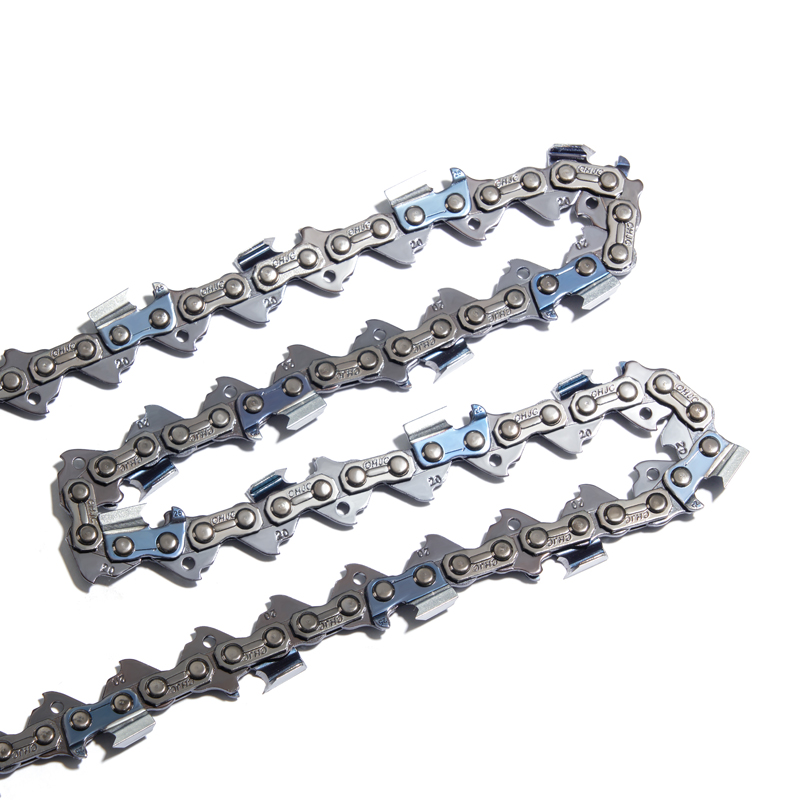
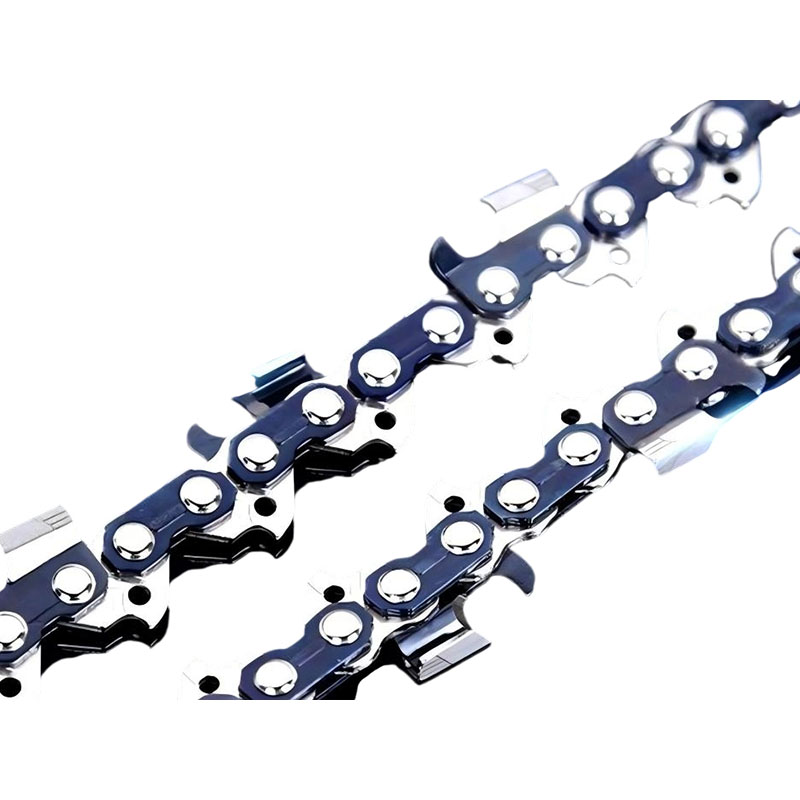
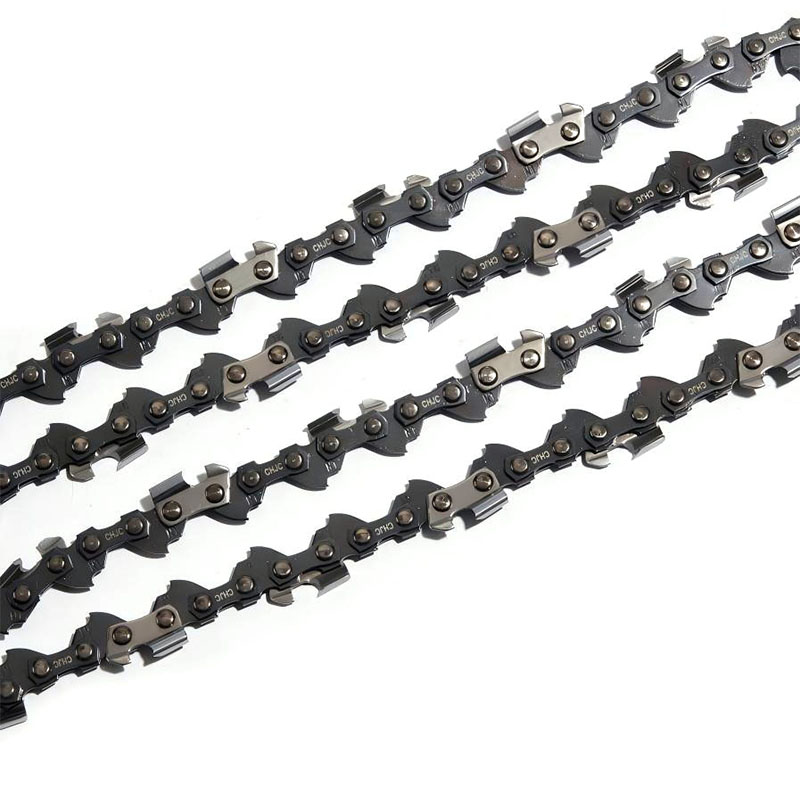
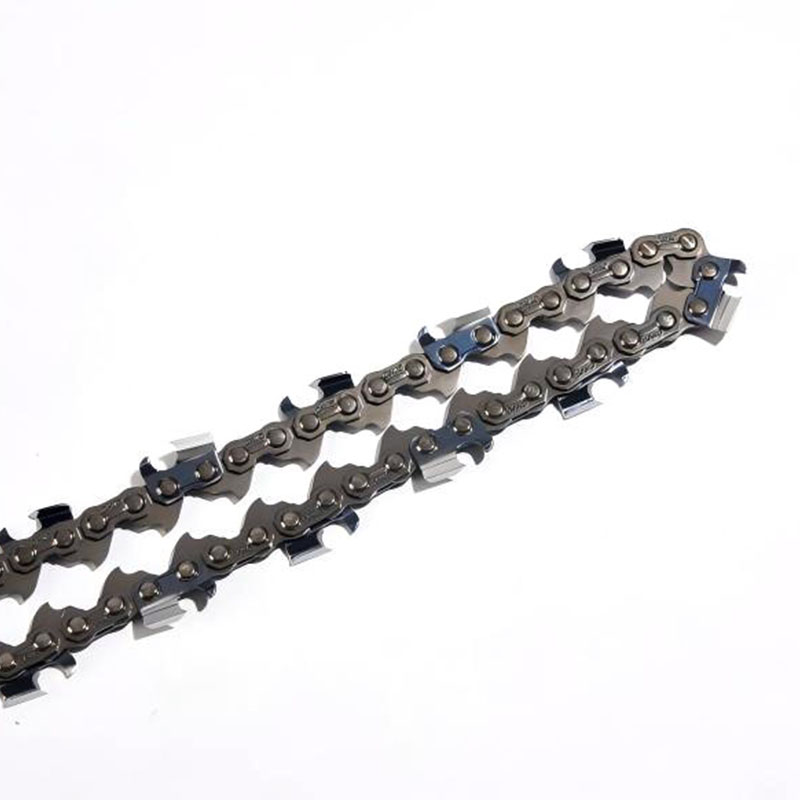
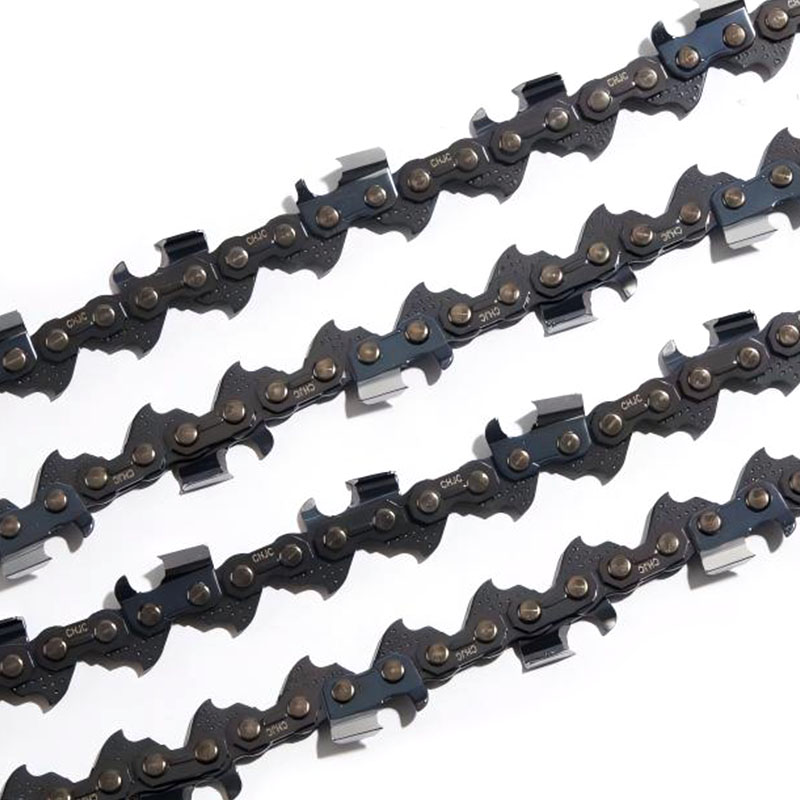
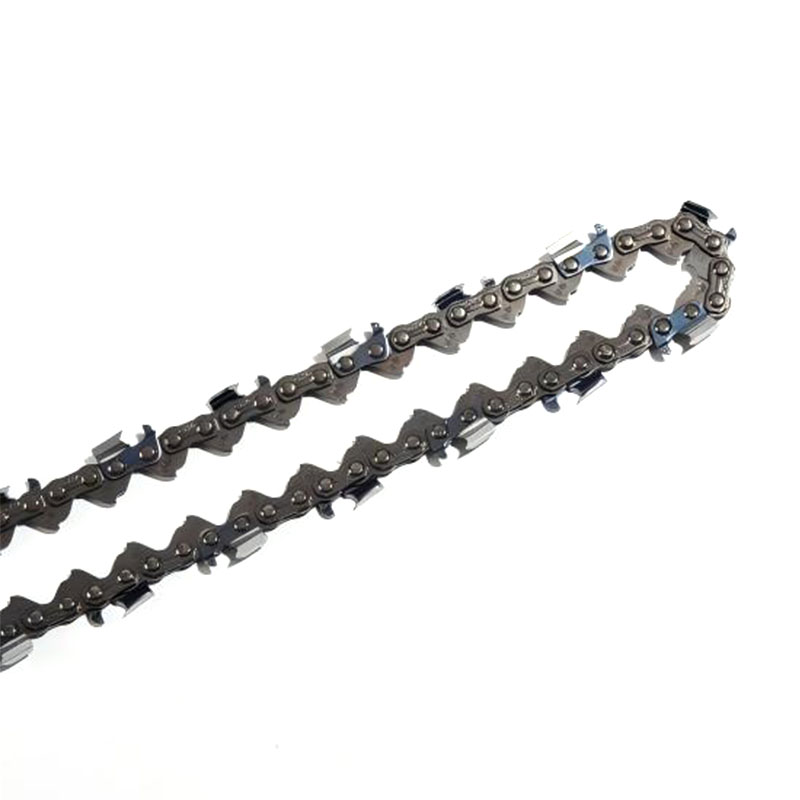
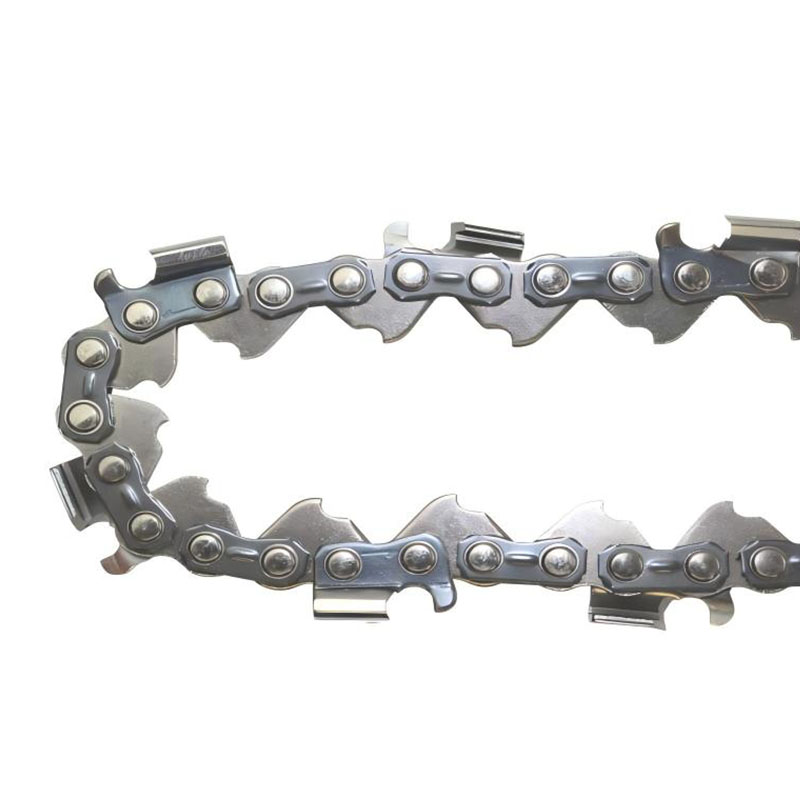
A .404'' pitch saw chain is a heavy-gauge chainsaw chain built for large-diameter felling, mechanical harvesting, and high-volume log processing. The number "404" is not a random label; it comes directly from the chain's pitch measurement, which is the distance between three consecutive rivets divided by two, expressed in inches. For this chain family, that distance works out to 0.404 inches, making it the widest common pitch used in commercial forestry and industrial cutting equipment today.
If you operate a mechanical feller-buncher, a harvester head, a large bar chainsaw above 24 inches, or a stationary log-processing line, a .404'' saw chain is almost certainly the correct choice. Smaller pitches such as 3/8'' or .325'' are designed for lighter-duty cutting and simply cannot match the depth and speed of cut that .404'' chains deliver on thick softwood and hardwood logs.
Two Core Gauge Options: .063'' and .080''
Within the .404'' pitch family, gauge (the thickness of the drive link that sits in the guide bar groove) determines which machines and cutting styles the chain is suited for. Two gauge sizes dominate the market, and choosing the wrong one is one of the most common mistakes buyers make when ordering replacement chain.
| Chain Type | Pitch | Gauge | Typical Use |
|---|---|---|---|
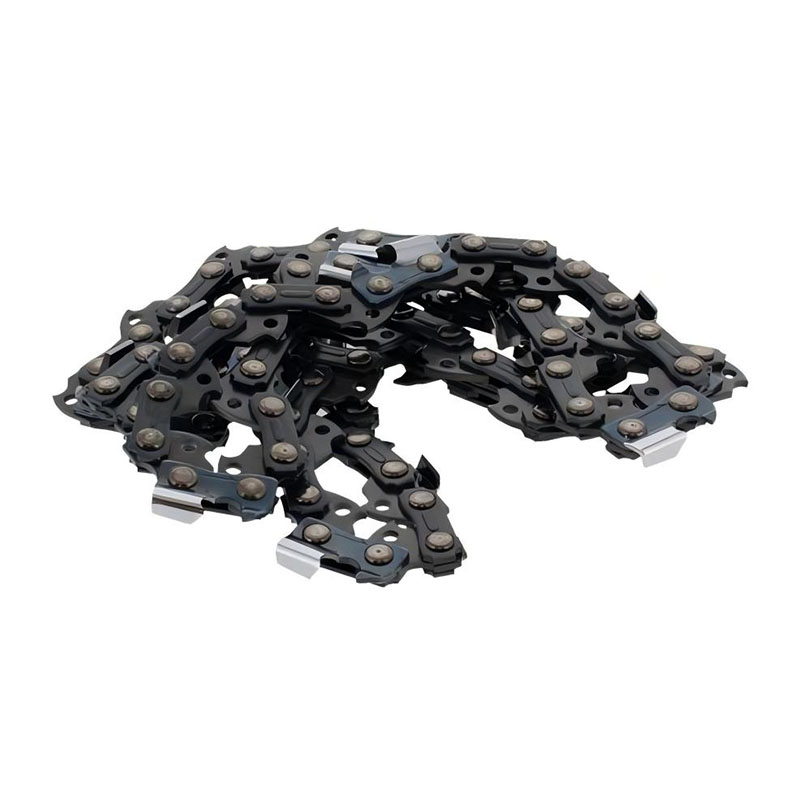
| .404'' .063'' Saw Chain | .404'' | .063'' / 1.6mm | Hand-held chainsaws, wood processing plants |
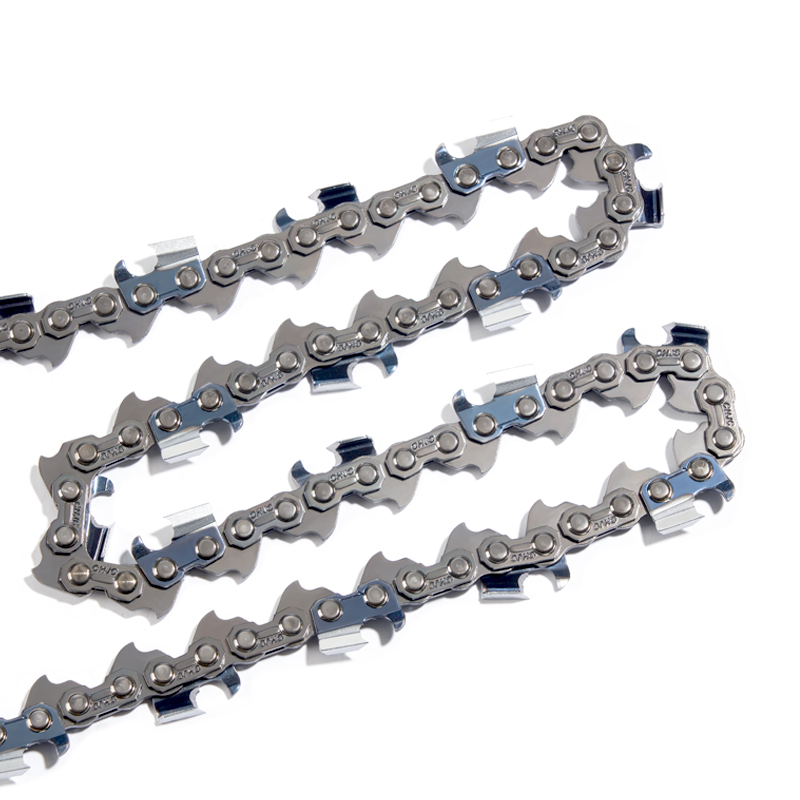
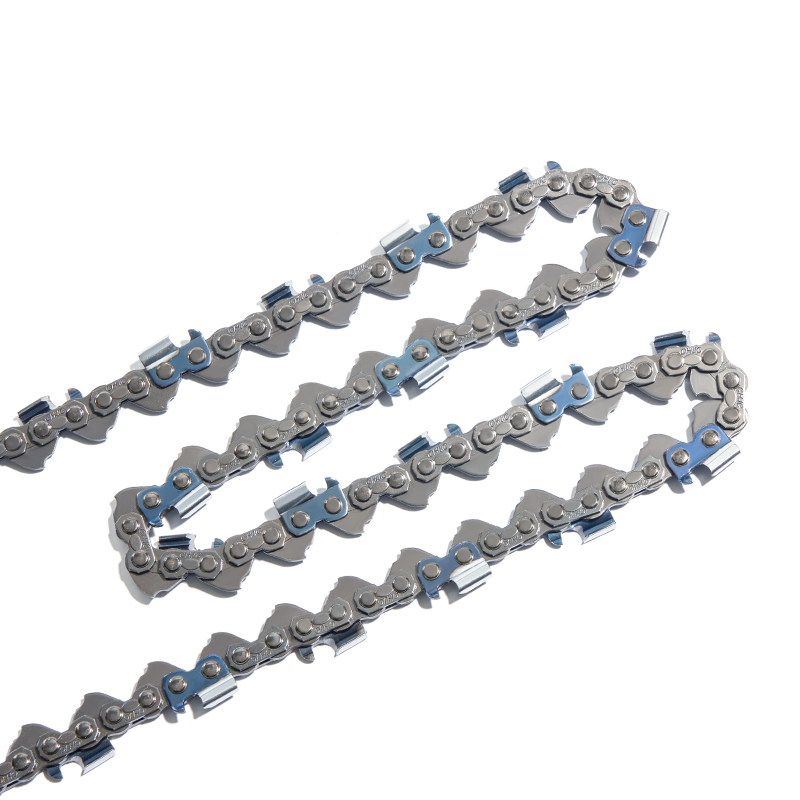
| .404'' .080'' Harvester Chain | .404'' | .080'' / 2.0mm | Mechanical logging machines, feller-bunchers, harvester heads |
The .063'' gauge chain is generally paired with hand-held or lightly mechanized chainsaws used in wood processing plants, where the operator still guides the cut. The .080'' gauge harvester chain, by contrast, is engineered for continuous, high-torque mechanical cutting cycles found on forestry harvester heads, where the chain must withstand repeated, rapid bucking cuts without stretching prematurely.
Why Operators Choose .404'' Chainsaw Chains for Heavy-Duty Work
Deeper, Faster Cutting Action
The wider link spacing of a .404'' saw chain allows for taller cutter teeth compared to 3/8'' or .325'' chains. Taller teeth remove more wood fiber per cutting stroke, which translates into a noticeably faster cut through thick trunks and large-diameter logs, a critical advantage in commercial felling operations where cutting time directly affects daily production volume.
Higher Durability Under Continuous Load
Thicker drive links and a heavier gauge mean less lateral flex in the guide bar groove during high-load cutting. This reduces chain stretch, lowers the frequency of re-tensioning, and extends the useful life of the chain in demanding, continuous-duty environments such as sawmills and mechanical harvesting lines.
Improved Operator Safety
A properly tensioned and sharpened .404'' chain is less prone to binding inside the kerf, which lowers the risk of kickback. Because these chains are engineered for large-diameter cutting, they stay stable inside deep cuts rather than twisting or jumping, which is a meaningful safety benefit for professional fellers working with large timber daily.
Broad Equipment Compatibility
.404'' pitch chains fit a wide range of large-format guide bars and sprockets used across forestry, construction, and demolition equipment, so a single chain specification can often serve multiple machines within the same fleet, simplifying spare parts inventory for operations managers.
Harvester Chain vs .404'' .063'' Saw Chain: How to Pick the Right One
A frequent question from buyers is whether they need the .063'' chain or the .080'' harvester chain. The decision comes down almost entirely to how the cutting force is applied.
- If the chain is mounted on a hand-guided chainsaw used in a wood processing plant, or on lighter mechanical arms, the .063'' gauge chain is typically the correct fit, offering a balance of cutting speed and controllability.
- If the chain will run on a hydraulic harvester head or feller-buncher performing thousands of automated cutting cycles per day, the .080'' gauge harvester chain is built to handle that sustained mechanical stress without premature wear.
- Always confirm the guide bar groove width before ordering, since a .063'' chain will not seat correctly in a bar machined for .080'' gauge, and vice versa.
Cutter material also matters. High-quality .404'' saw chains are commonly manufactured from alloy steel such as 68CrNiMo3, which is heat-treated to balance hardness with impact resistance, allowing the cutter edge to hold a sharp profile through repeated contact with bark, dirt, and embedded debris common in forestry environments.
Practical Layout and Maintenance Tips for Long Chain Life
Getting long, reliable service from a 404'' Chainsaw Chain depends as much on setup and maintenance as it does on the chain specification itself. The following practices are widely used by forestry crews and sawmill technicians to extend chain life and maintain cutting quality.
- Match the drive sprocket tooth count exactly to the .404'' pitch specification; a mismatched sprocket accelerates wear on both chain and bar.
- Check chain tension at the start of every shift, since heavy-gauge chains under heavy loads still stretch slightly with heat cycling.
- Sharpen cutters at consistent angles using a gauge-matched file or grinder; uneven sharpening on a .404'' chain leads to uneven cutting force and premature fatigue on individual links.
- Lubricate continuously during operation, particularly on .080'' harvester chains that run at high cycle rates and generate more frictional heat.
- Inspect rivets and side plates for hairline cracks after cutting through abrasive or dirty timber, since the higher cutting forces of .404'' chains make fatigue cracks more likely to propagate quickly if left unnoticed.
Rotating the guide bar periodically also helps distribute wear evenly, since one side of the bar rail typically absorbs more load than the other during standard felling cuts.
Industries That Rely on .404'' Pitch Saw Chains
Because of their combination of cutting depth, durability, and compatibility with heavy machinery, .404'' Pitch Saw Chains are used well beyond single-tree felling. Typical applications include large-scale forestry harvesting, sawmill log intake lines, wood processing plants preparing raw timber for pulp or lumber production, and construction or demolition tasks involving thick timber structures.
Because chain wear directly affects machine uptime, most industrial buyers standardize on a single trusted pitch and gauge specification across their fleet rather than mixing chain types, which simplifies inventory management and reduces the risk of installing a mismatched chain during field replacement.
Manufacturing Background: Why Chain Quality Varies
Not all .404'' saw chains are engineered to the same tolerance. Cutter grinding precision, heat treatment consistency, and rivet quality all influence how long a chain retains its sharpness and how resistant it is to stretch under sustained load. Hengjiu, a manufacturer with more than seventy years of history in chain transmission products, produces both the .063'' and .080'' gauge .404'' chains described above, with cutters ground and optimized for smooth, precise, and fast cutting performance across hand-held chainsaws and mechanical logging equipment.
Operating multiple manufacturing facilities and research and development centers, the company applies consistent metallurgical standards, using alloy steel cutter material designed to hold an edge through repeated contact with bark and embedded grit, while maintaining the flexibility needed to run smoothly around large-diameter drive sprockets without premature link fatigue.
Key Takeaways Before You Order
Selecting the correct .404'' pitch saw chain comes down to three checks: confirm the pitch matches your sprocket and guide bar, confirm the gauge matches your bar groove width, and match the chain style, chipper or harvester, to how the machine actually applies cutting force. Getting these three details right before ordering replacement chain avoids downtime, reduces premature wear, and keeps large-diameter cutting operations running at full productivity.