English
 中文简体
中文简体
 русский

Content
- 1 What Is 325 on a Chain? The Direct Answer
- 2 How Chain Pitch Is Measured
- 3 Pitch, Gauge, and Drive Links: The Three Numbers You Need
- 4 Comparing .325' Chain to Other Common Pitch Sizes
- 5 Why Chainsaw Owners Choose .325'' Pitch Saw Chains
- 6 Choosing the Right .325'' Chainsaw Chain for Your Saw
- 7 Maintenance Tips to Extend Chain Life
- 8 Sourcing Quality .325'' Pitch Saw Chains
- 9 Frequently Confused Terms Explained
What Is 325 on a Chain?
What Is 325 on a Chain? The Direct Answer
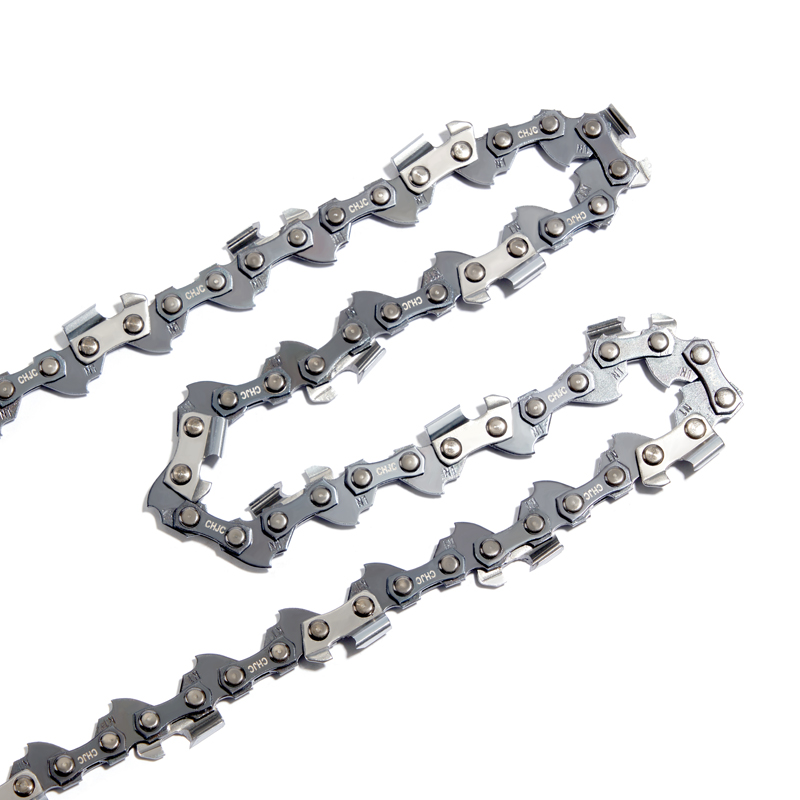
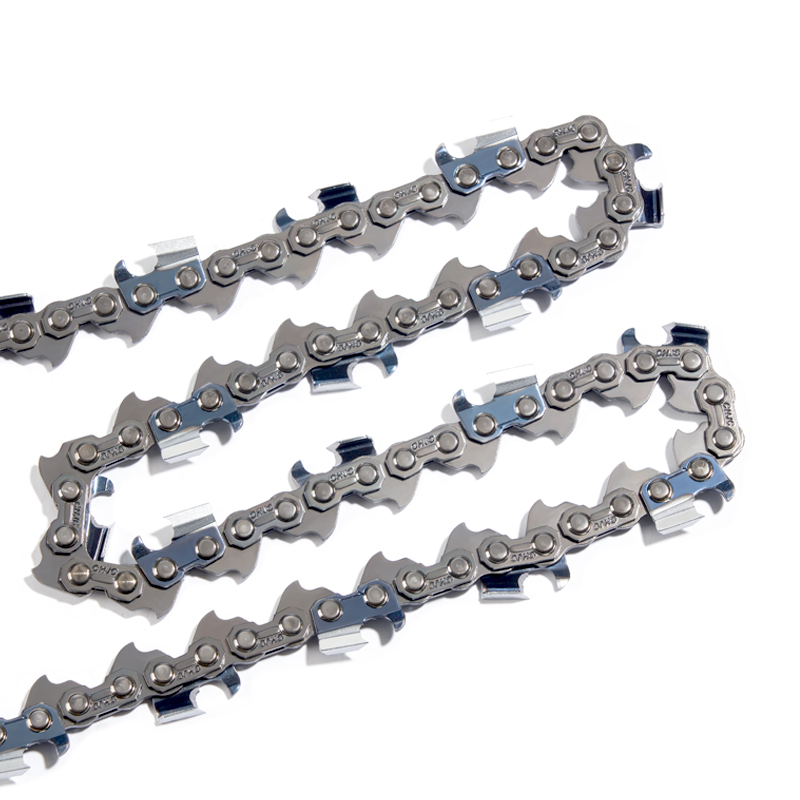
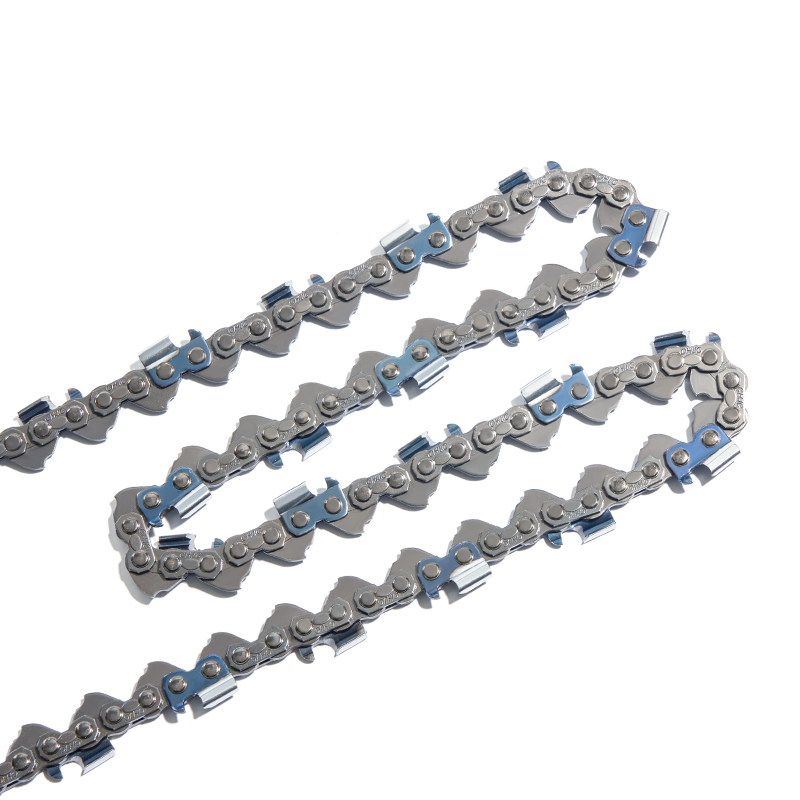
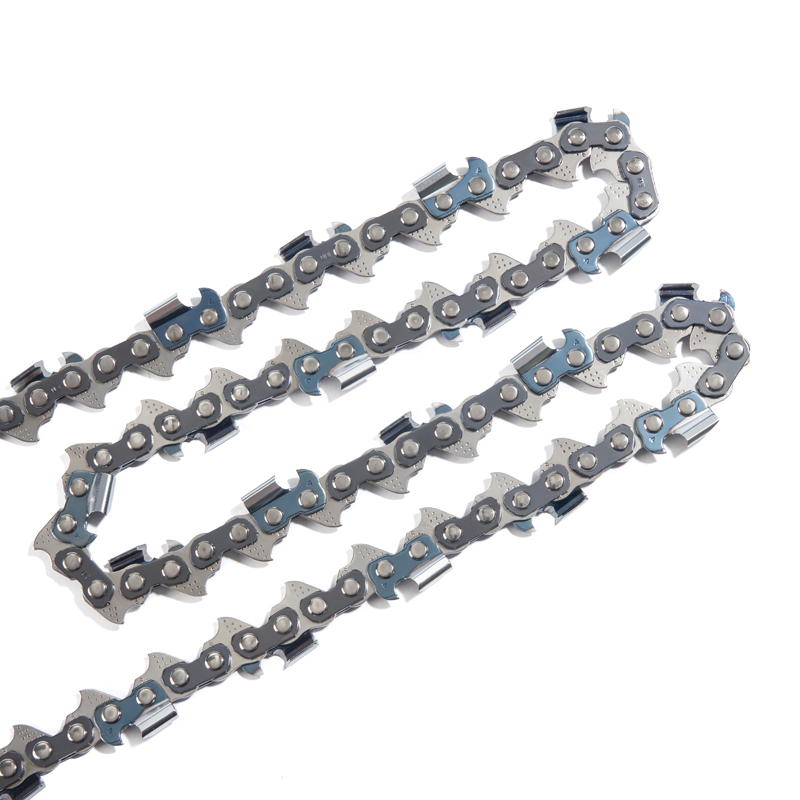
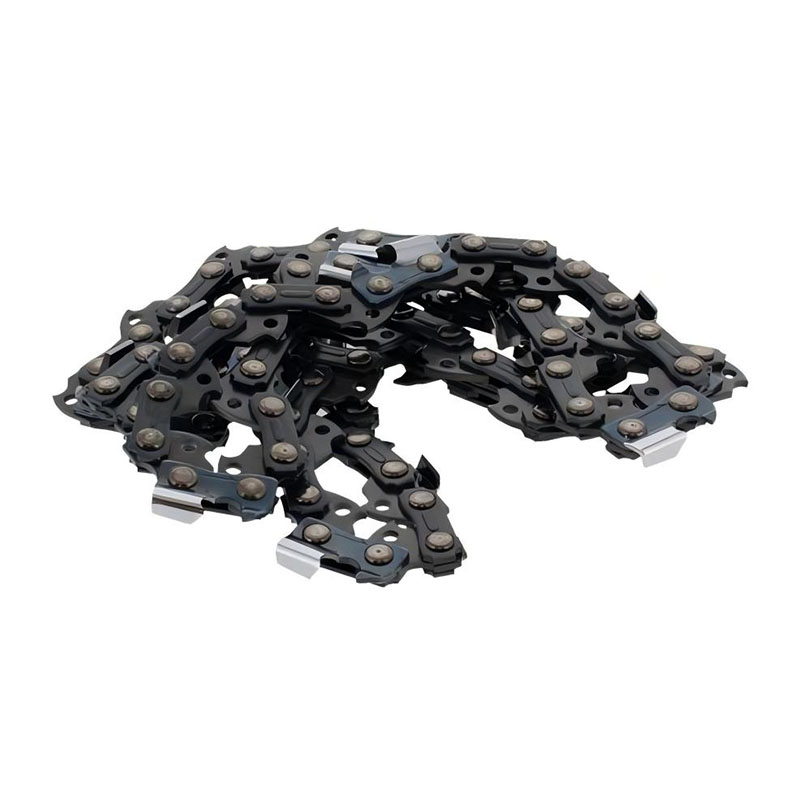
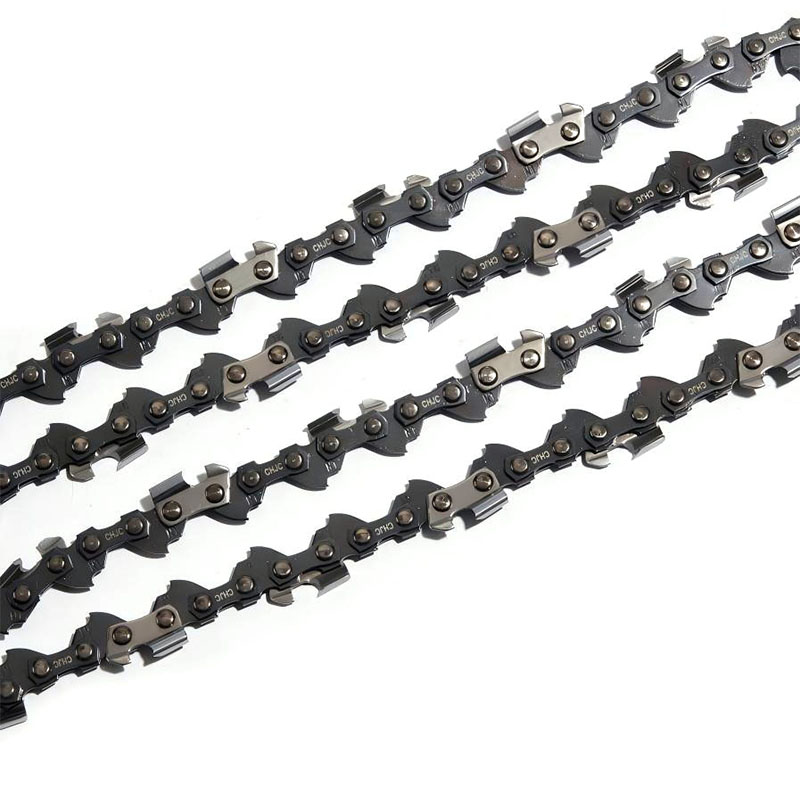
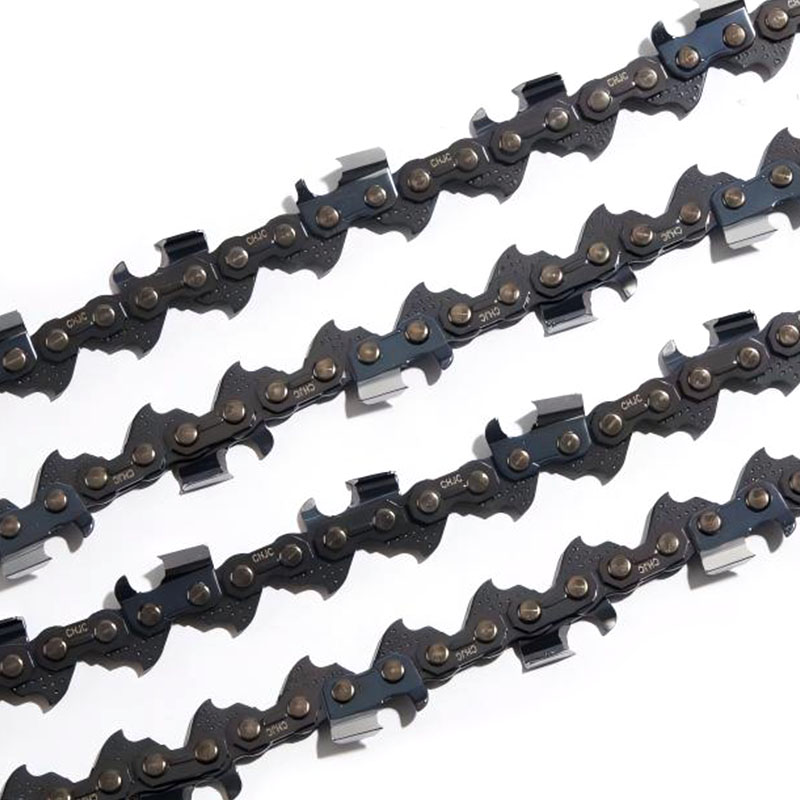
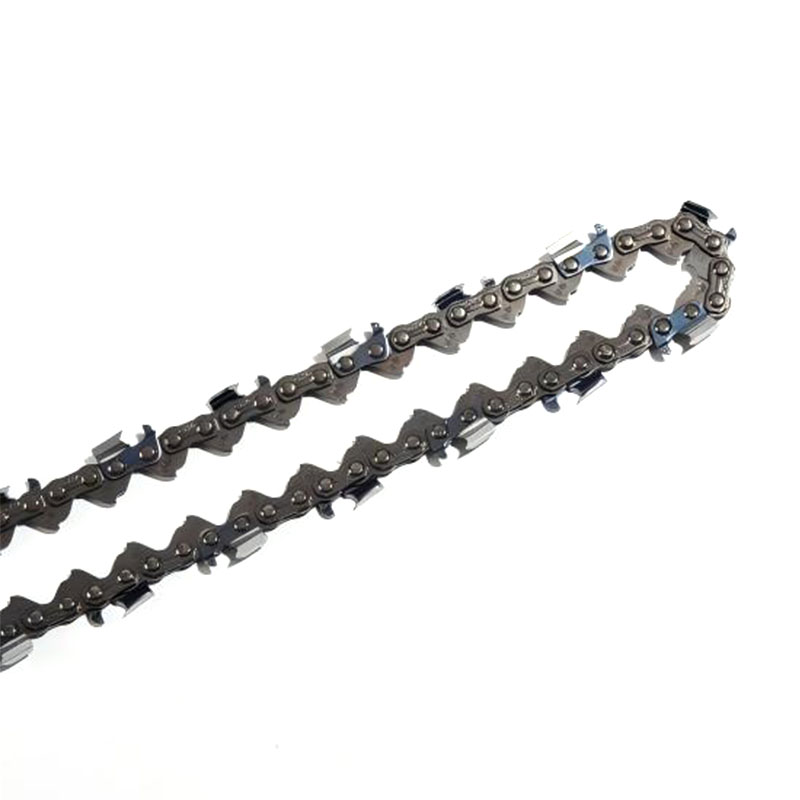
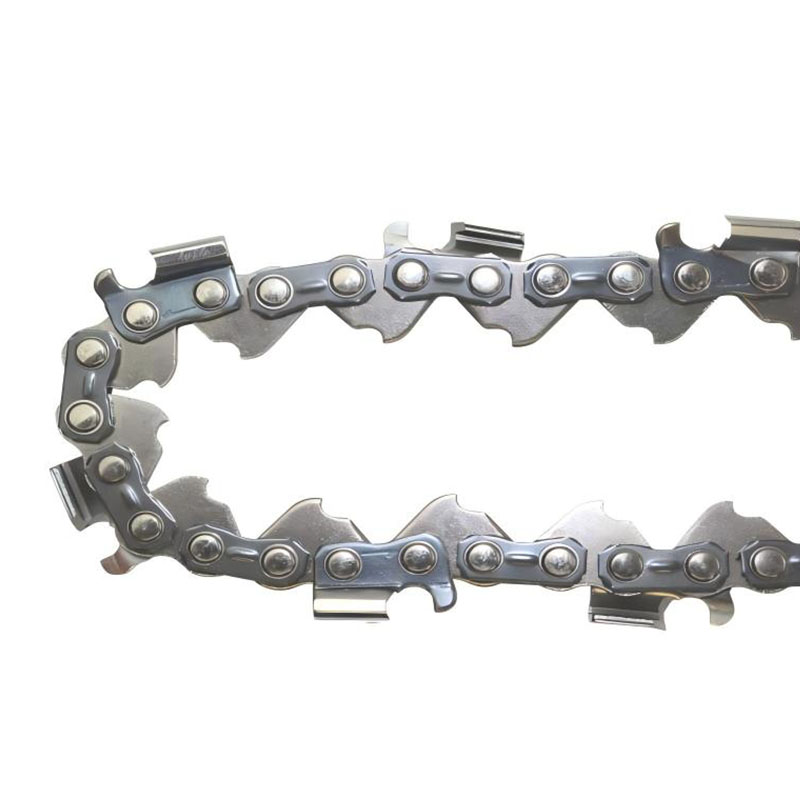
The number 325 on a chain refers to the pitch of a chainsaw chain, measured in inches as 0.325". Pitch is calculated by taking the distance between any three consecutive rivets on the chain and dividing that measurement by two. A .325'' Pitch Saw Chain sits between the smaller 3/8" LP chain and the larger 3/8" chain in terms of size, making it one of the most widely used pitch sizes on mid-power gasoline and electric chainsaws today.
If your chainsaw's guide bar or owner's manual lists ".325" as the chain specification, it means the saw is designed to run a chain with rivet spacing of 0.325 inches. Using the wrong pitch will prevent the chain from seating correctly on the drive sprocket and bar, so identifying this number correctly is the first step before buying a replacement .325'' Chainsaw Chain.
How Chain Pitch Is Measured
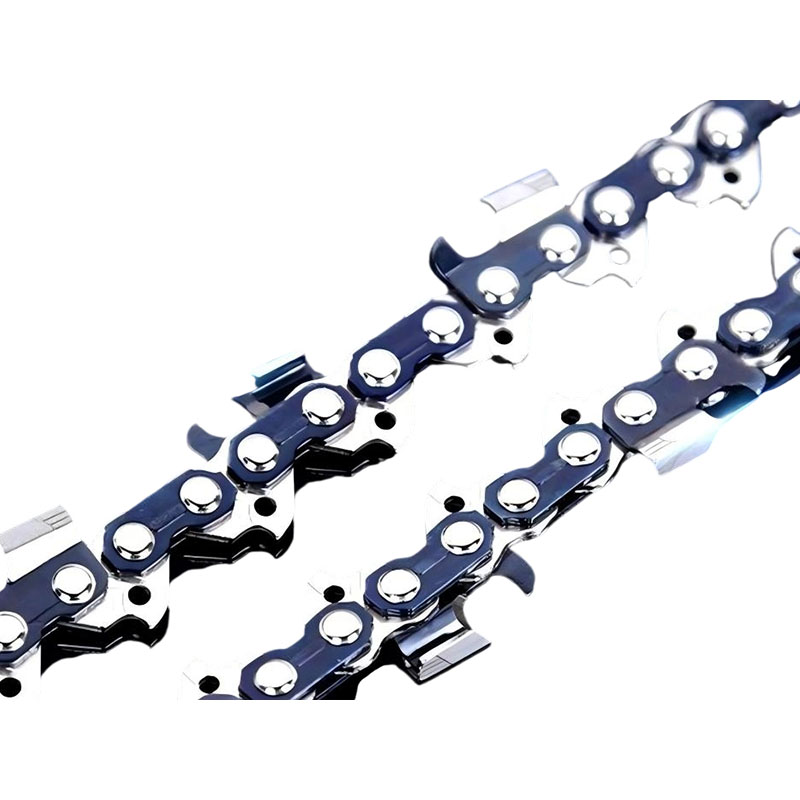
To measure pitch yourself, count three consecutive rivets on the chain, measure the distance between the first and third rivet in inches, then divide that number by two. For a .325'' Pitch Saw Chain, this calculation always returns 0.325 inches. This method works on any chain and is the standard way manufacturers and repair shops confirm compatibility before a purchase.
Why Pitch Matters for Performance
Pitch determines how the chain engages with the drive sprocket teeth. A mismatched pitch causes uneven wear, excessive vibration, and can even throw the chain off the bar during operation. Chainsaw manufacturers select the .325" pitch specifically because it offers a smoother, faster cutting action with less kickback than larger pitch chains, while still providing more cutting power than the lighter 3/8" LP option.
Pitch, Gauge, and Drive Links: The Three Numbers You Need
Beyond pitch, two other measurements determine whether a chain fits your saw correctly: gauge and drive link count. Gauge is the thickness of the drive link that sits inside the bar groove, typically measured in thousandths of an inch. A .325'' Pitch Saw Chain commonly comes in three gauge options, each suited to different bar and saw combinations.
| Gauge | Metric Equivalent | Typical Application |
|---|---|---|
| .050" | 1.3 mm | Homeowner and farm chainsaws |
| .058" | 1.5 mm | Mid-power professional saws |
| .063" | 1.6 mm | Heavy-duty logging and felling saws |
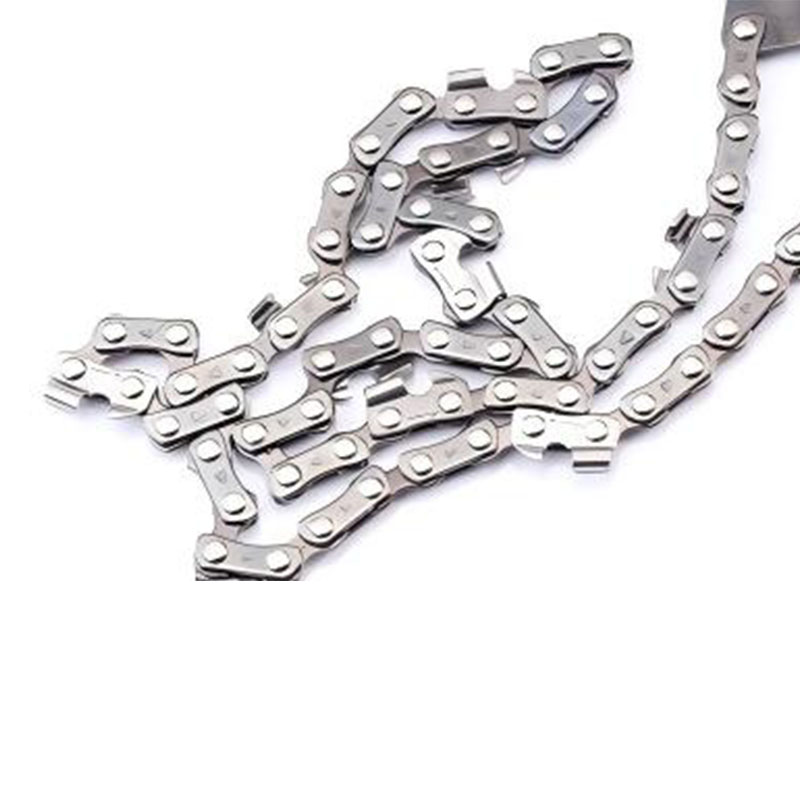
Drive link count is the third variable, and it changes with bar length. Longer bars require more drive links to complete the loop, so a 16" bar and a 20" bar running the same .325" pitch chain will still need different drive link counts. Always check your bar's stamped specifications or count the existing chain's drive links before ordering a replacement .325'' Chainsaw Chain.
Comparing .325' Chain to Other Common Pitch Sizes
Chainsaw chains are produced in four main pitch categories, and understanding how .325" compares helps confirm you are choosing the correct chain for your equipment rather than a similar-looking alternative.
| Pitch | Rivet Spacing | Best Suited For |
|---|---|---|
| 1/4" | 0.25" | Compact pruning and top-handle saws |
| 3/8" LP | 0.375" | Light homeowner and consumer saws |
| .325" | 0.325" | Mid-power gasoline and professional saws |
| 3/8" | 0.375" | High-power felling and milling saws |
| .404" | 0.404" | Harvester and heavy industrial equipment |
Notice that .325" sits closer to the smaller end of the pitch spectrum while still delivering enough cutting depth for felling, limbing, and firewood cutting tasks. This balance is a major reason 325 pitch saw chains remain a top seller among mid-sized chainsaw owners worldwide.
Why Chainsaw Owners Choose .325'' Pitch Saw Chains
The popularity of the .325'' Pitch Saw Chains category comes down to a practical balance of speed, control, and durability. Compared with the finer 3/8" LP chain, the .325" pitch offers a larger cutter that removes more material per pass, which speeds up cutting on medium to large diameter logs.
- Smoother cutting action with reduced vibration compared to 3/8" pitch chains
- Lower kickback energy than larger pitch chains, improving operator control
- Wide availability of bars, sprockets, and replacement chains across most brands
- Suitable for felling, limbing, bucking, and general firewood preparation
- Good balance between chain speed and torque demand on mid-power engines
Because of this balance, .325" pitch chains are frequently specified as original equipment on chainsaws in the 40 to 60cc engine displacement range, which covers a large share of the farm, ranch, and professional landscaping market.
Choosing the Right .325'' Chainsaw Chain for Your Saw
Selecting the correct .325'' Chainsaw Chain requires matching three values at once: pitch, gauge, and drive link count. Getting any one of these wrong means the chain will not run safely on your bar and sprocket combination.
Step-by-Step Selection Process
Start by checking the stamp on your existing bar, which usually lists the pitch and gauge directly. If the stamp is worn away, measure pitch as described earlier and check gauge with a caliper or a gauge gap tool at the bar groove. Finally, count the drive links on the old chain, or measure bar length and cross-reference it with a manufacturer's drive link chart, since bar length alone does not guarantee an exact drive link count across different brands.
Cutter Style Options
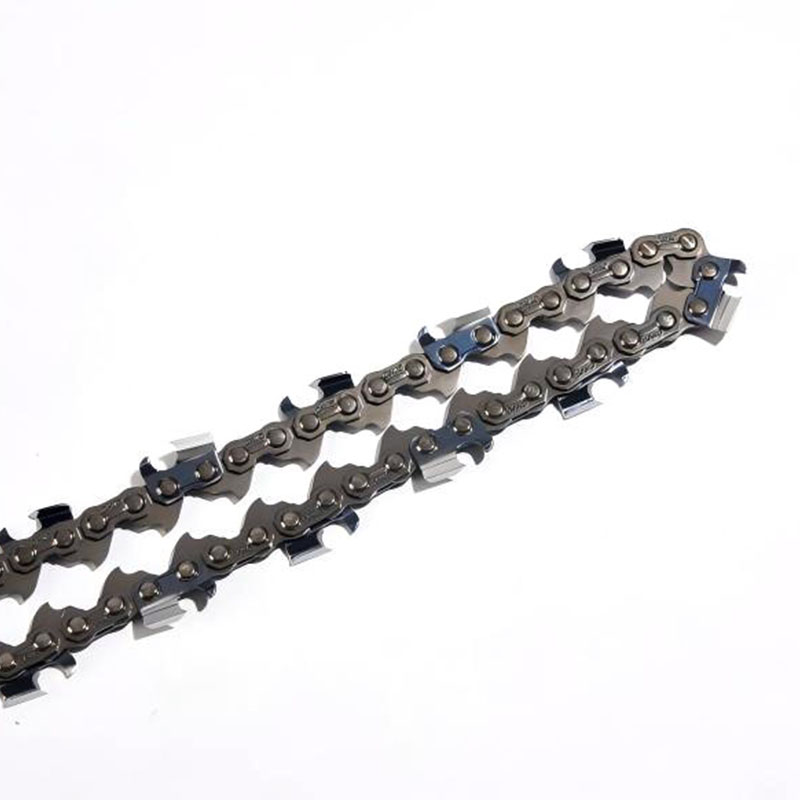
Within the .325" pitch category, chains are also produced with different cutter profiles. Full chisel cutters have square corners and cut fastest in clean softwood, while semi-chisel cutters have rounded corners that hold an edge longer in dirty or frozen wood. Low profile .325" LP chains use a shorter cutter for reduced kickback, making them a common choice on lower-powered electric and battery chainsaws.
Maintenance Tips to Extend Chain Life
A properly maintained .325" pitch chain can deliver significantly longer service life than one that is neglected. Regular care protects both the chain and the guide bar it runs on.
- Check chain tension before every use, since a loose chain wears the bar rails and drive links unevenly
- Sharpen cutters at the first sign of dust-like sawdust instead of clean chips
- Keep the depth gauges filed to the correct height for consistent cutting depth
- Lubricate the chain continuously during operation using bar and chain oil
- Flip the guide bar periodically to promote even wear on both rails
Following these steps helps a well-built .325'' Pitch Saw Chain maintain sharp, efficient cutting performance over many sharpening cycles before replacement becomes necessary.
Sourcing Quality .325'' Pitch Saw Chains
Chain material and heat treatment directly affect how long a .325" pitch chain holds its edge and resists stretch under load. Chains built from alloy steel such as 68CrNiMo3 offer a strong combination of hardness and flexibility, which reduces the frequency of sharpening and lowers the risk of chain breakage during heavy-duty felling work.
Hengjiu has manufactured chain transmission products since 1953, with more than 70 years of engineering experience behind its current chainsaw chain line. The company operates 8 factories and R&D centers, supported by more than 1,600 skilled personnel, and its .325'' Pitch Saw Chains are produced with certifications including CE, ISO, and IATF16949 to meet international quality standards. The .325" chain lineup covers gauges of .050", .058", and .063", along with a low profile .043" option, giving buyers a complete range for homeowner, agricultural, and professional forestry equipment.
Buyers sourcing chains for resale, OEM fitment, or fleet maintenance benefit from working with a manufacturer that offers custom drive link counts, private label packaging, and consistent batch quality control, since inconsistent hardness or dimensional tolerance across production runs is one of the leading causes of premature chain failure in the field.
Frequently Confused Terms Explained
Because pitch, gauge, and chain size are often used loosely in casual conversation, it helps to separate the terminology clearly before placing an order.
- Pitch describes rivet spacing and determines sprocket compatibility, such as .325"
- Gauge describes drive link thickness and determines bar groove fit, such as .050"
- Drive link count describes chain length and must match the bar length in use
- Cutter profile describes the shape of the cutting tooth, such as full chisel or low profile
Keeping these four terms distinct avoids the most common ordering mistakes reported by chainsaw parts retailers, and ensures the replacement .325'' Chainsaw Chain you receive fits and performs exactly as expected on the first installation attempt.