English
 中文简体
中文简体
 русский

Content
Basic Specifications for 1/4" Saw Chains
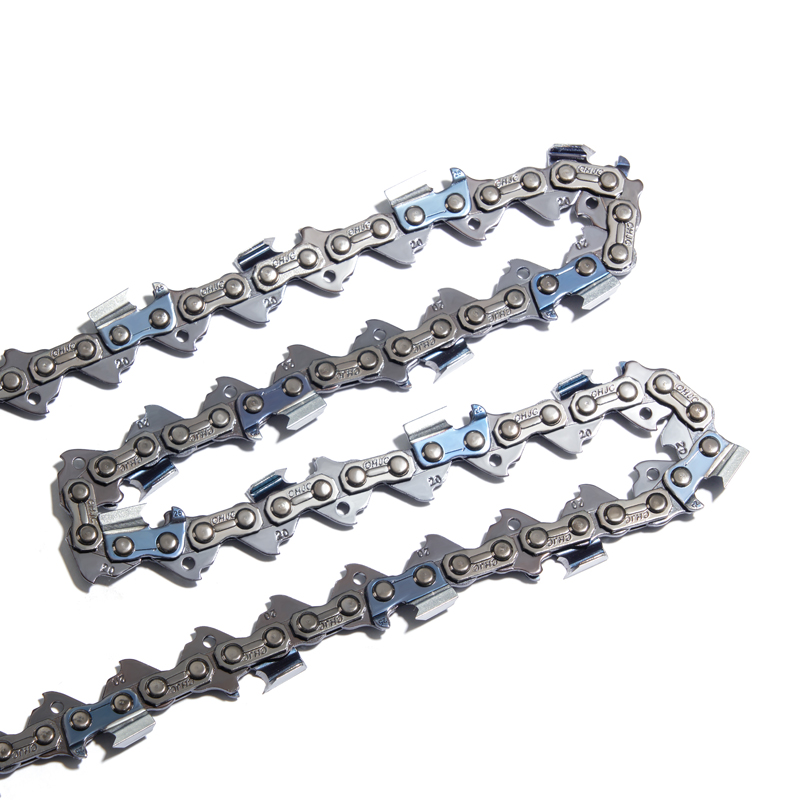
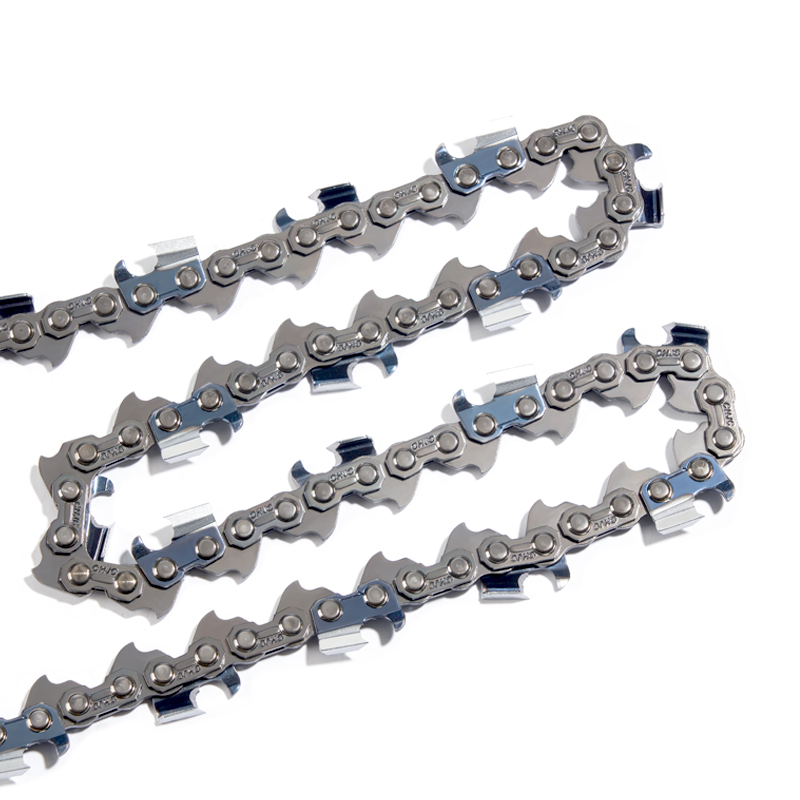
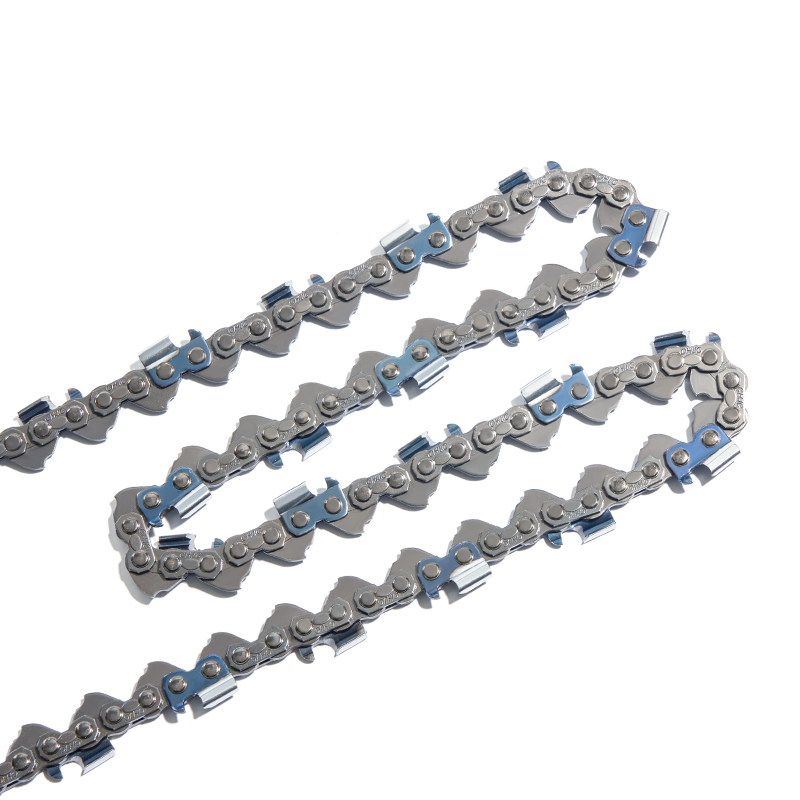
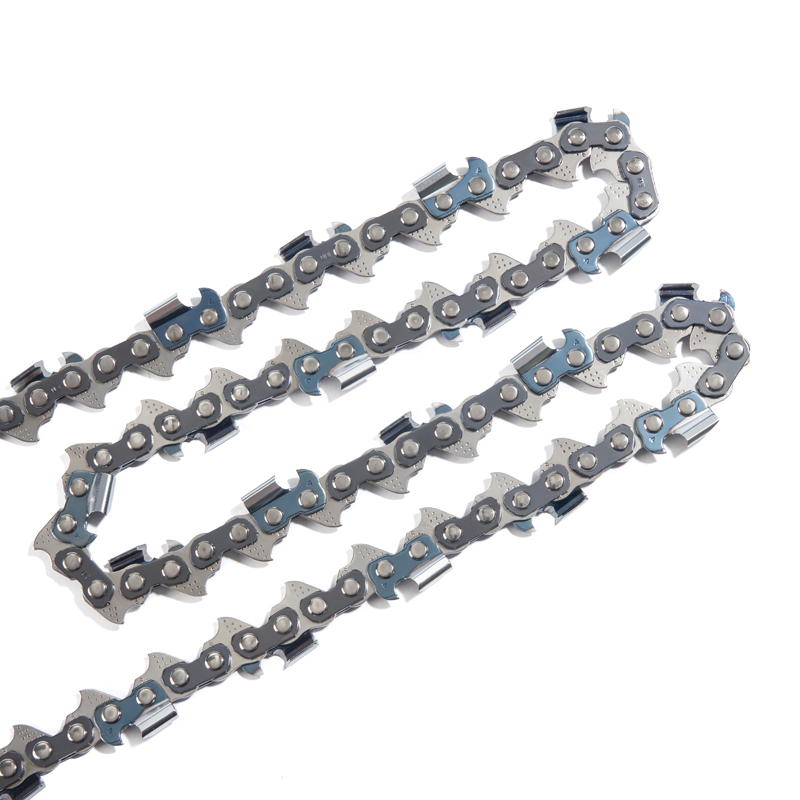
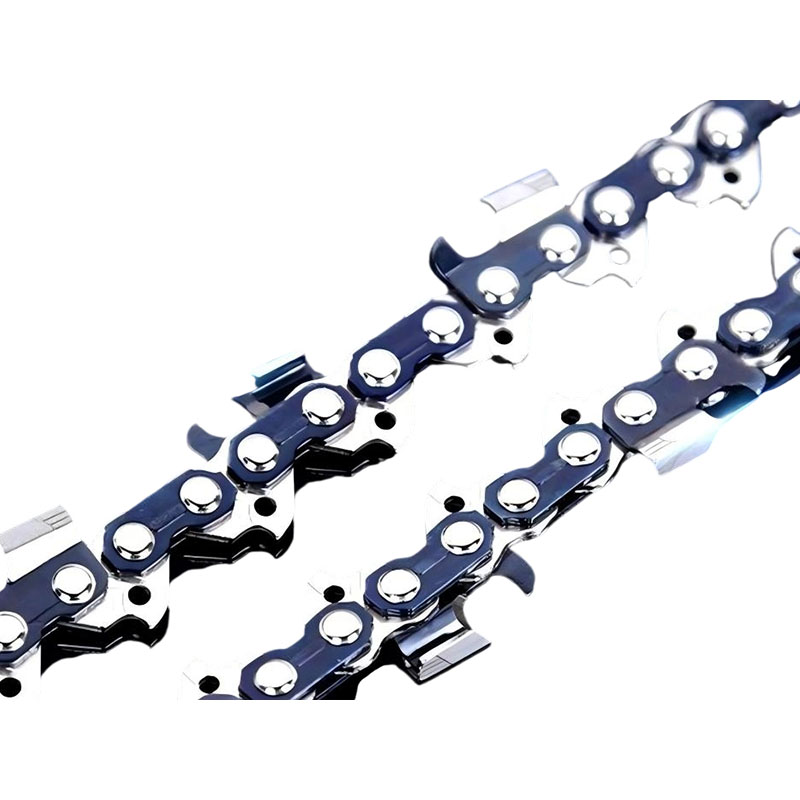
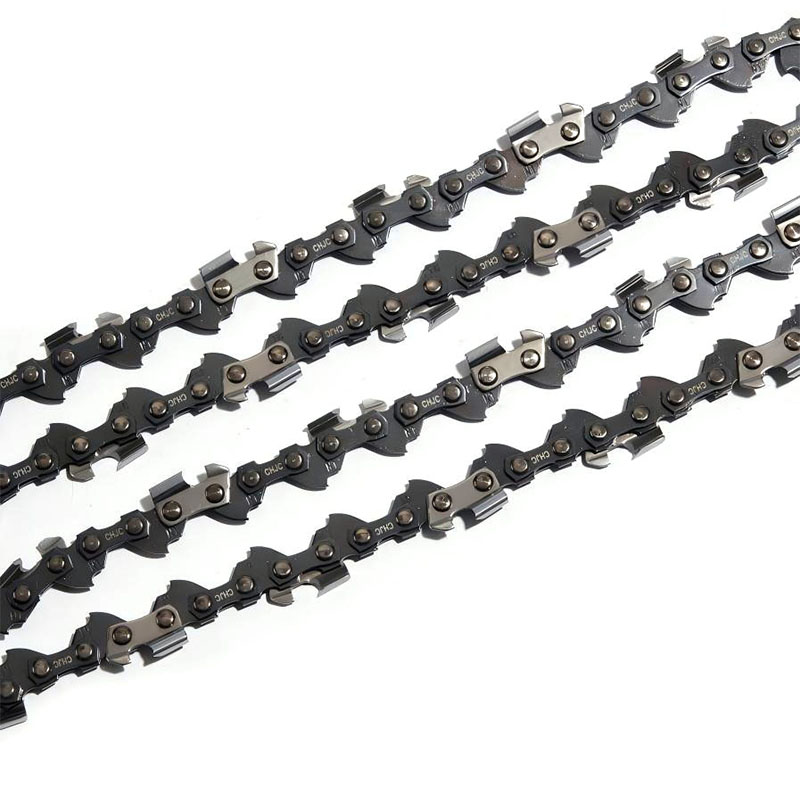
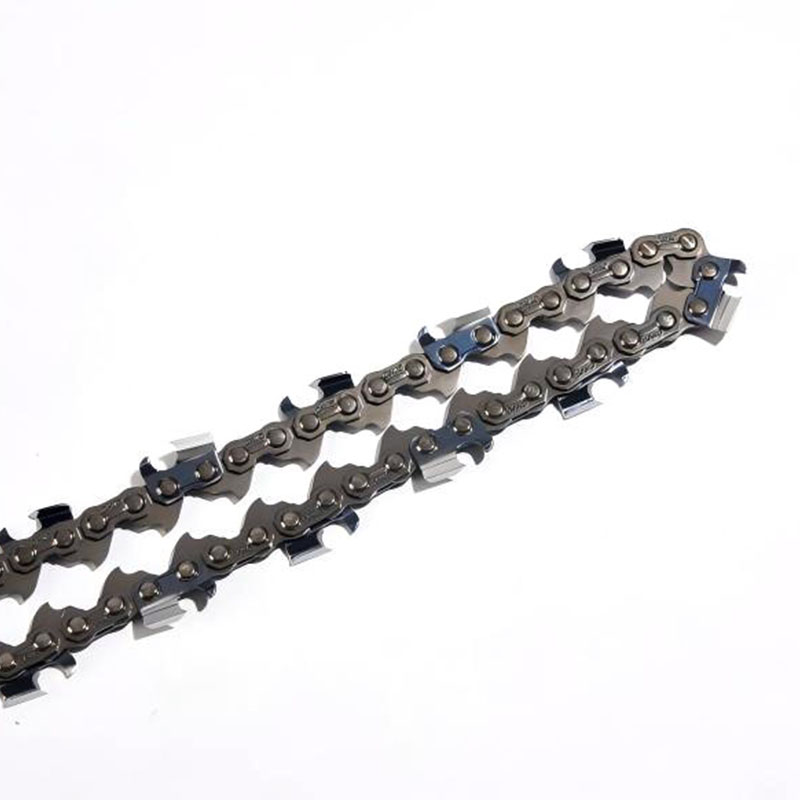
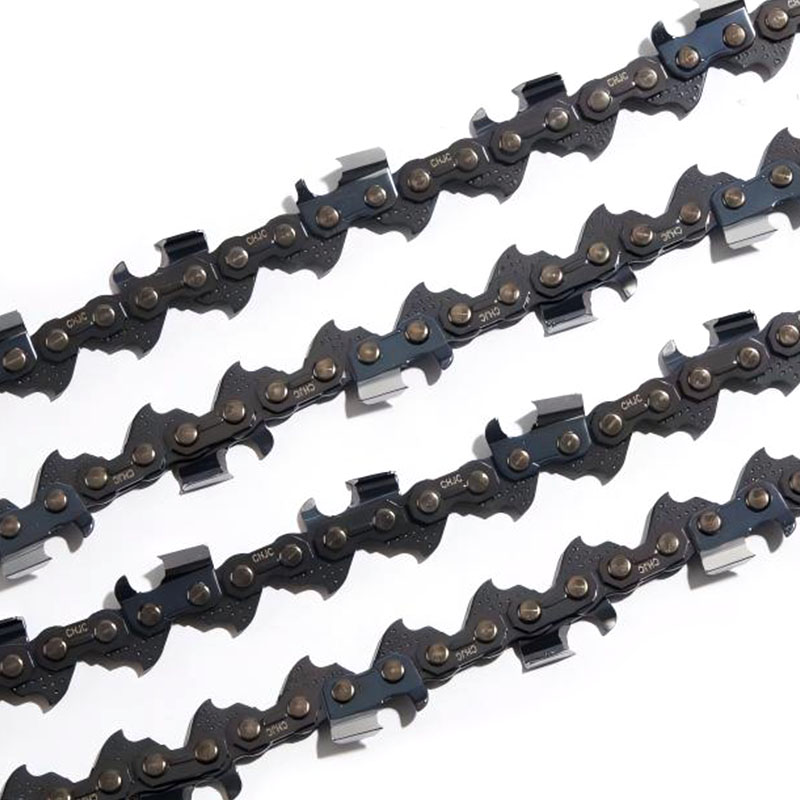
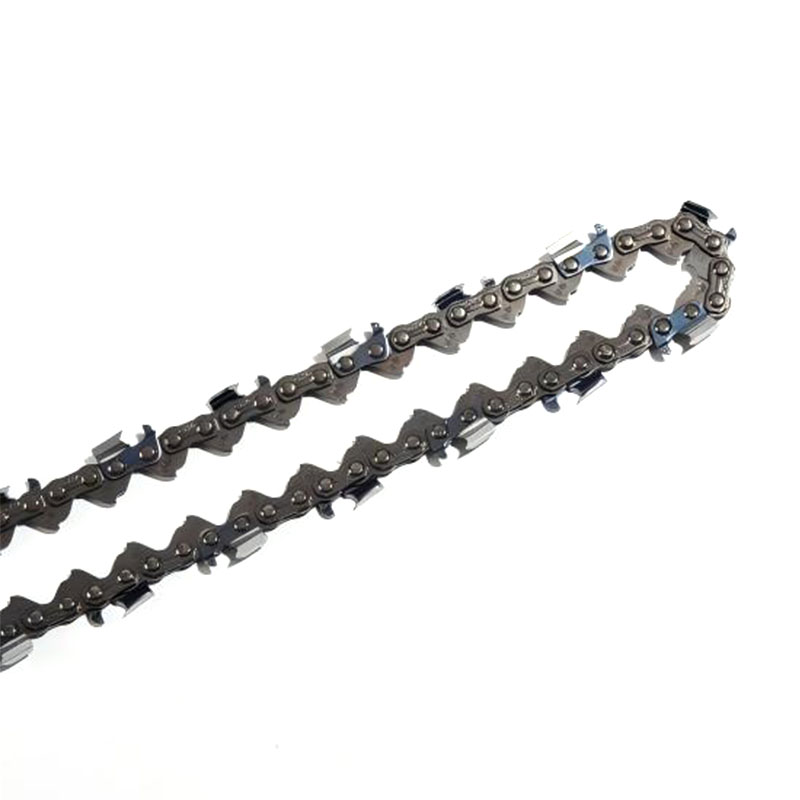
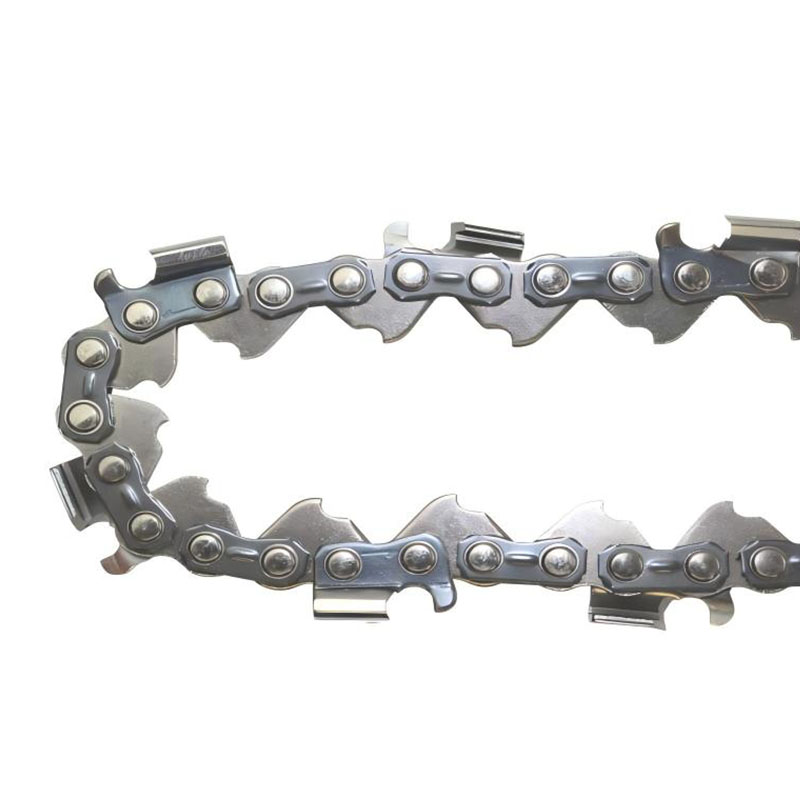
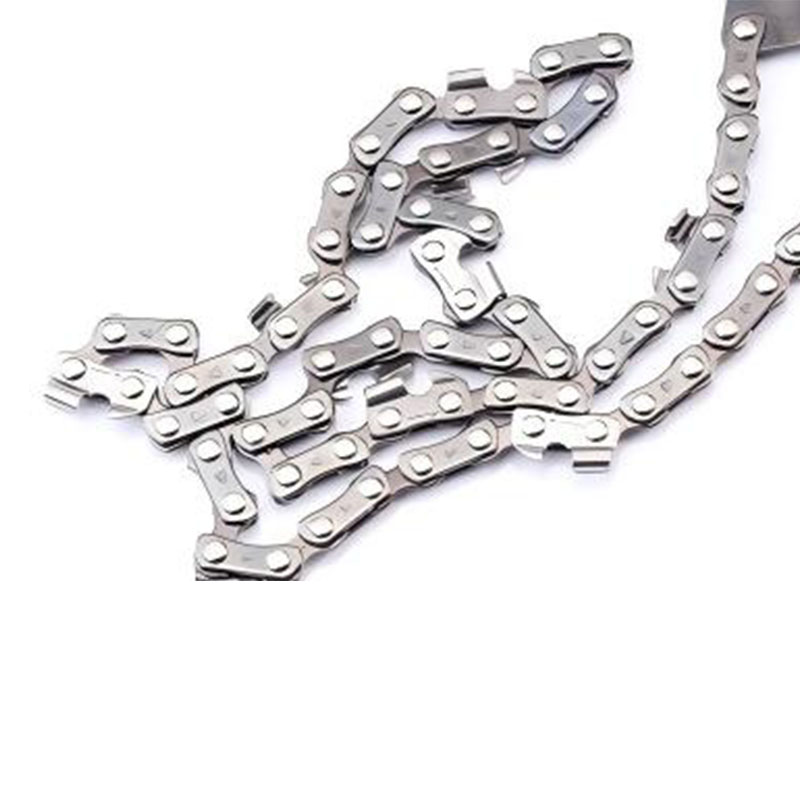
The 1/4" pitch chain is the smallest standard chainsaw chain size, designed specifically for small battery-powered saws, pole saws, and mini electric chainsaws. This pitch measures the distance between three consecutive rivets divided by two, resulting in compact links ideal for precision cutting tasks.
Key Technical Specifications
| Specification | Typical Value | Application |
|---|---|---|
| Pitch | 1/4" (6.35mm) | Small saws, pole pruners |
| Gauge | 0.043" or 0.050." | Light-duty cutting |
| Drive Links | 37-56 links | 6-10 inch bars |
| Material | 65Mn spring steel | Tensile strength >735 MPa |
The 1/4" pitch is commonly found on Stihl MSA series battery saws, small Makita models, and various 6-8 inch mini electric chainsaws. Always verify the pitch marking stamped on your guide bar or consult your owner's manual before purchasing replacement chains.
Determining Whether You Need 1/4" or 3/8" Chain
Your chainsaw requires a 1/4" chain if it is a small battery-powered saw, pole saw, or mini electric saw with a bar length of 6-10 inches. Larger homeowner and professional saws typically use 3/8" Low Profile or standard 3/8" pitch chains.
How to Identify Your Chain Size
Check these three locations to determine your required chain pitch:
- Guide bar stamping: Look for markings like "1/4" or "3/8" etched near the mounting end of the bar
- Owner's manual: Specifications section lists the required pitch, gauge, and drive link count
- Old chain packaging: Replacement chain boxes display the pitch in the product code
Saw Type Compatibility Guide
| Pitch Size | Typical Saw Size | Common Examples |
|---|---|---|
| 1/4" | Small battery/pole saws | Stihl MSA series, mini electric saws |
| 3/8" Low Profile | Light-duty homeowner saws | Stihl MS 170/180, Husqvarna 120/130 |
| 0.325" | Mid-range saws | Stihl MS 230/250, Husqvarna 435/440 |
| 3/8" Standard | Farm and professional saws | Stihl MS 261/271, Husqvarna 455/460 |
A lower chain pitch, like 1/4", is better suited for thinner bars and more precise cutting, while higher pitches, like 3/8", are designed for thicker bars and more aggressive cutting.
Proper Chain Tension Adjustment
Proper chain tension allows you to pull out one or two drive links from the guide bar groove, with the chain snapping back firmly when released. The chain should move freely around the bar with moderate hand effort.
Step-by-Step Tensioning Process
- Power down completely: Turn off the engine, disconnect the spark plug wire on gas models, or remove the battery on cordless saws
- Allow cooling: Wait for the chain and bar to reach room temperature—hot metal expands and gives false tension readings
- Loosen bar nuts: Use the screwdriver tool to loosen the two bar nuts just enough to allow the guide bar to move freely
- Lift the bar tip: Raise the guide bar nose to remove slack from the bottom of the chain—this ensures even tension when tightened
- Adjust tension screw: Turn the tensioning screw (usually on the side) clockwise to tighten, counterclockwise to loosen—make quarter-turn adjustments
- Perform pull test: Pull the chain away from the bar at the center bottom; you should see 1-2 drive links exposed
- Tighten bar nuts: While holding the bar tip up, firmly tighten the bar nuts with significant force to prevent slippage
- Final verification: Spin the chain by hand to ensure free movement without binding or tight spots
Consequences of Improper Tension
| Tension Issue | Safety Risk | Equipment Damage |
|---|---|---|
| Too Loose | Chain derailment, kickback, whip injuries | Excessive wear on drive links, bar rail mushrooming |
| Too Tight | Chain breakage, projectile hazard | Overheating, rapid sprocket wear, motor strain |
Check tension before each use and after every few hours of operation. New chains require more frequent adjustment during their first few hours as they undergo initial stretching.
When to Sharpen or Replace the Chain
Sharpen the chain when you see fine sawdust instead of coarse chips, smoke in the cut despite proper lubrication, or when the saw pulls to one side. Replace the chain when wear markers are reached, teeth are damaged, or the chain requires constant re-tensioning due to excessive stretch.
Five Signs Your Chain Needs Sharpening
- Fine sawdust production: A sharp chain produces large, uniform chips; dull chains create powdery dust
- Smoke from the cut: Even with proper chain lubrication and tension, a dull chain generates excessive heat
- Pulling to one side: Crooked cuts indicate uneven tooth length or dullness on one side
- Chattering and bouncing: Difficulty positioning the saw precisely signals loss of cutting edge
- Requires forced feeding: A sharp chain pulls itself into the wood; dull chains require operator pressure
Critical Replacement Indicators
| Indicator | What to Look For | Action Required |
|---|---|---|
| Wear Markers | Lines on the cutter teeth indicate the maximum safe filing depth | Immediate replacement—filing past reduces performance and risks of breakage |
| Damaged Teeth | Missing, bent, or significantly shortened teeth from hitting nails/rocks | Replace if damage prevents uniform sharpening |
| Excessive Stretch | The chain loosens rapidly after a few minutes of use, despite proper adjustment | Replace—metal has exceeded safe operating limits |
| Visible Cracks | Any cracks on drive links or cutter teeth indicate metal fatigue | Immediate replacement—high failure risk |
| Bottom Tooth Wear | Wear marker on the underside of the tooth from running without bar oil | Immediate replacement regardless of cutter condition |
Ideally, the tooth and depth gauge wear markers should be reached at approximately the same time. If not, incorrect sharpening technique may have altered the depth gauge setting, causing increased vibration or reduced cutting performance.
Chain Storage Precautions
Store chains in a dry, well-ventilated location away from direct sunlight and extreme temperatures. Always clean the chain thoroughly and apply a light coat of oil before storage to prevent rust and corrosion.
Pre-Storage Preparation
- Clean thoroughly: Remove all sawdust, wood chips, and sap using a brush or compressed air—debris holds moisture against metal
- Inspect for damage: Check for cracks, bent drive links, or worn teeth before storing to avoid reinstalling a compromised chain
- Apply protective oil: Coat the chain with dedicated bar and chain oil, or regular cooking oil as a temporary rust preventer between uses
- Remove from saw: For extended storage (over winter), remove the chain and bar from the tool and store separately
Long-Term Storage Guidelines
| Storage Factor | Recommended Practice | Risks of Neglect |
|---|---|---|
| Location | Dry closet or shed, not damp basements or garages | Humidity causes condensation and rust |
| Temperature | Stable room temperature, avoid freezing or heat | Extreme cold damages battery components |
| Battery Storage | Store separately at 40-60% charge in a cool, dry place | Lithium-ion degradation, permanent capacity loss |
| Protection | Use a chainsaw case or cover to prevent dust accumulation | Dirt infiltration into the motor and oil ports |
Before reassembling after storage, inspect the chain and bar for rust or damage. A chain stored improperly in a damp environment can develop severe corrosion within a single season, rendering it unsafe for use.
DIY Chain Replacement
Yes, you can replace a chainsaw chain yourself using basic tools that typically come with your saw. The process requires no specialized expertise and can be completed in under 10 minutes with proper safety precautions.
Required Tools
- Scrench tool: Multi-purpose wrench included with most chainsaws—one end for bar nuts, the other for tensioning screw
- Work gloves: Cut-resistant or leather gloves to protect against sharp cutter teeth
- Safety goggles: Eye protection from debris during the process
Replacement Procedure
- Ensure complete power isolation: Disconnect spark plug (gas) or remove battery (cordless)
- Remove side cover: Loosen bar nuts and remove sprocket cover to expose the chain and sprocket
- Release tension: Push the guide plate slightly toward the saw body to release chain tension completely
- Remove old chain: Lift the chain off the bar nose and remove it from the sprocket, noting the direction of the cutter teeth
- Install new chain: Thread the new chain around the sprocket first, then align it in the bar groove with cutters facing forward on top of the bar
- Verify direction: Ensure cutter teeth on the top of the bar point toward the bar nose—backward installation prevents cutting
- Tension and secure: Lift the bar tip, adjust the tension screw until 1-2 drive links can be pulled from the bar, then tighten bar nuts firmly
- Final check: Rotate the chain by hand to verify smooth movement and proper seating in the bar groove
Critical safety note: Never attempt to replace a chain while the saw is warm. Hot metal expands and can cause burns or inaccurate tension readings. Always wait for the chain and bar to reach room temperature before handling.
Frequently Asked Questions About 1/4" Saw Chains
Can I use a 3/8" chain on a 1/4" pitch bar?
No. Chain pitch must match the bar and sprocket specifications exactly. A mismatched pitch will not seat properly in the bar groove, causing immediate derailment, severe damage to the drive links, and potential injury from chain breakage.
How long does a 1/4" chain typically last?
With proper maintenance, including regular sharpening, lubrication, and correct tension, a 1/4" chain can last 20-40 hours of cutting time. Heavy use in dirty conditions or contact with soil/nails significantly reduces lifespan. Replace immediately when wear markers are reached, regardless of hours used.
Why does my new 1/4" chain stretch so quickly?
New chains undergo initial "bedding-in" stretch during the first 2-5 hours of use. This is normal—check and adjust tension every 15-30 minutes during initial use. If a chain continues stretching rapidly after this break-in period, it indicates poor-quality metal or excessive heat from improper tension or inadequate lubrication.
Can I sharpen a 1/4" chain with standard tools?
Yes, but you need the correct diameter round file matched to your chain's cutter tooth specifications. Most 1/4" chains use smaller files than larger pitch chains. Use a file guide to maintain proper angle and depth gauge settings. A 2-in-1 filing guide that sharpens both the tooth and depth gauge simultaneously helps ensure even wear and maximum chain life.
Is a 1/4" chain less safe than larger pitches?
Not inherently. Safety depends on proper maintenance and operation, not pitch size. However, 1/4" chains are typically used on smaller saws with lower kickback potential. Always use low-kickback chains (identified by green labels on Oregon chains or matching Stihl safety specifications) and follow all standard chainsaw safety protocols, including proper PPE.
How do I know if my 1/4" chain gauge is correct?
Gauge—the thickness of the drive links—must match your bar groove width. Common 1/4" chain gauges are 0.043" and 0.050". The wrong gauge will either bind in the groove (too thick) or wobble and derail (too thin). Check the bar stamping or manual for the required gauge specification.