English
 中文简体
中文简体
 русский

Content
- 1 .325" Pitch Saw Chain Essentials
- 2 Common Specifications for .325" Pitch Saw Chains
- 3 .325" Standard vs. .325" LP (Low Profile): Key Differences
- 4 How to Choose the Right .325" Pitch Chain
- 5 Maintenance and Usage Tips for .325" Pitch Chains
- 6 Frequently Asked Questions About .325" Pitch Saws
- 6.1 Can I use a .325" chain on a 3/8" pitch saw?
- 6.2 Why does my .325" chain stretch so quickly during break-in?
- 6.3 How many times can I sharpen a .325" chain before replacement?
- 6.4 Is .325" pitch suitable for hardwoods like oak and hickory?
- 6.5 What causes my .325" chain to cut crooked?
- 6.6 Can I convert my saw from 3/8" to .325" pitch?
- 6.7 How do I identify an LP chain vs. a standard .325"?
.325" Pitch Saw Chain Essentials
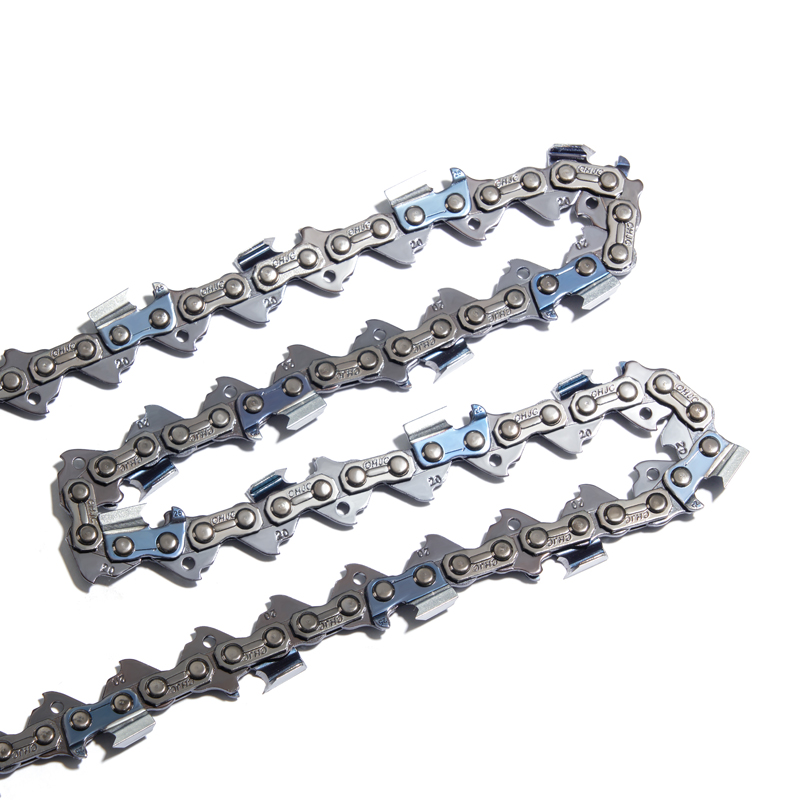
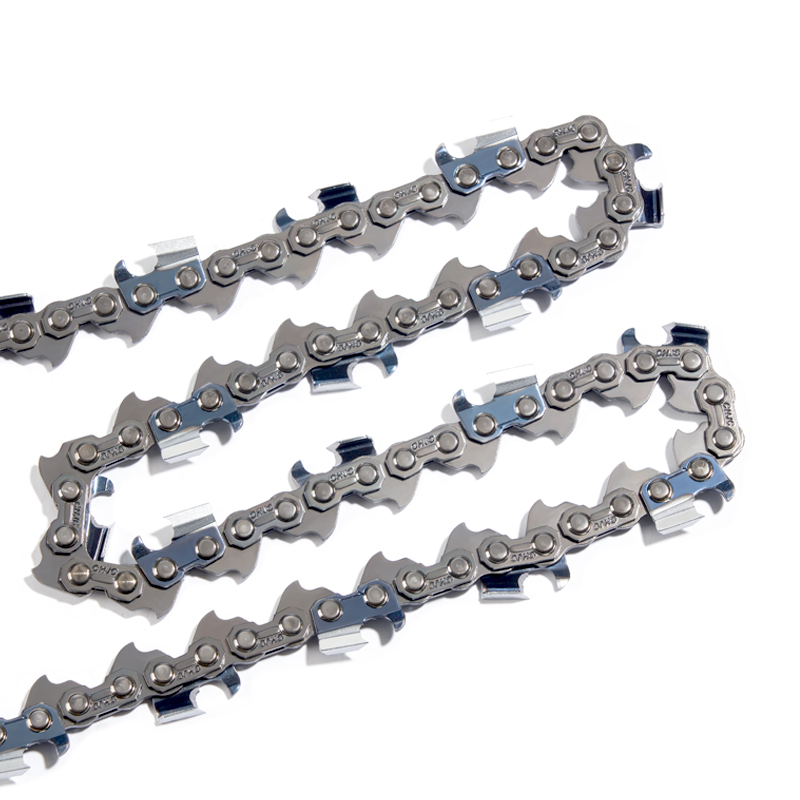
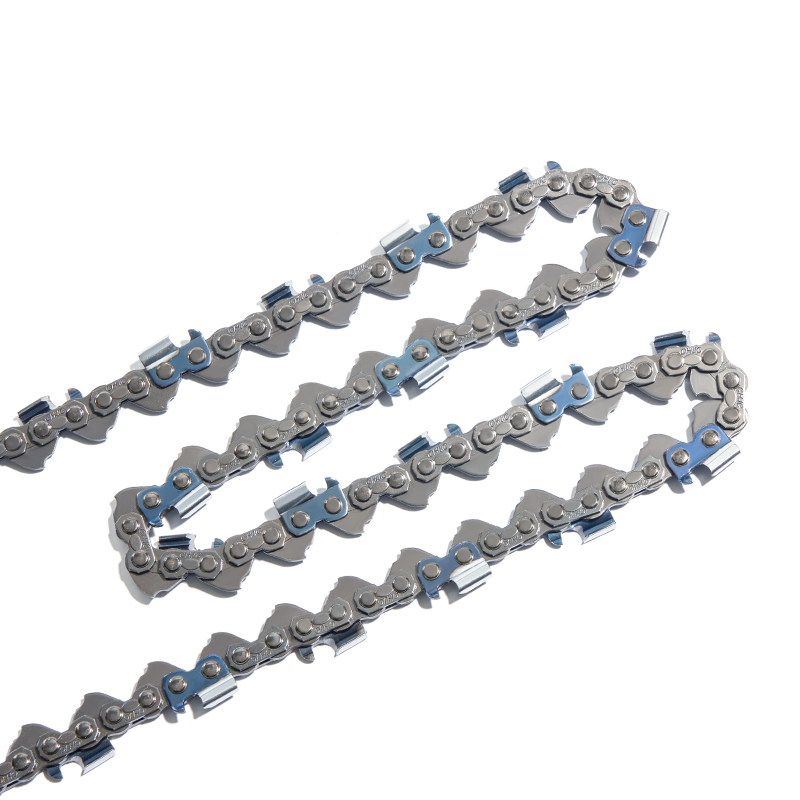
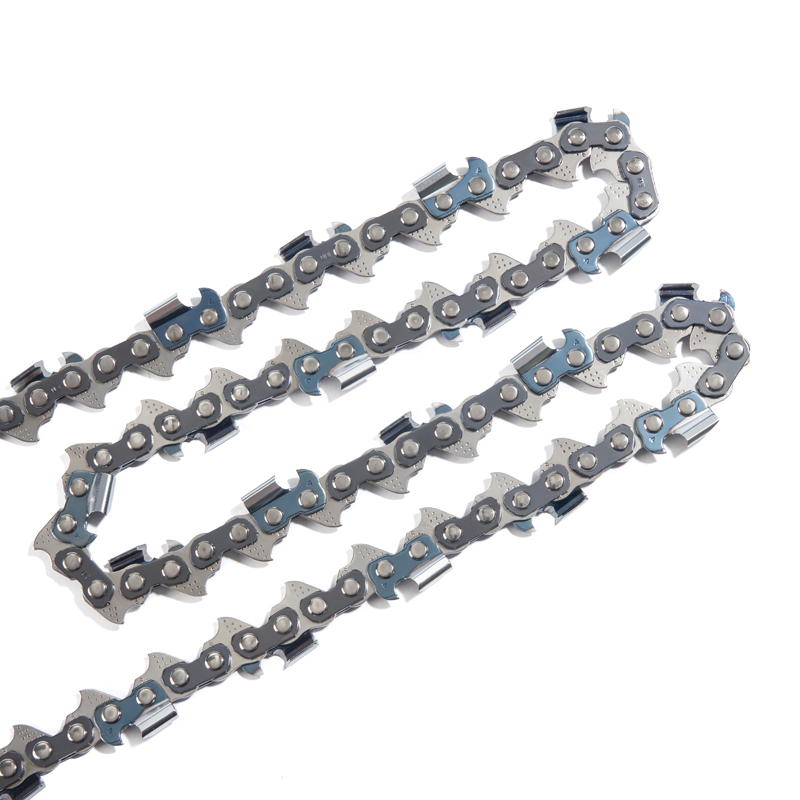
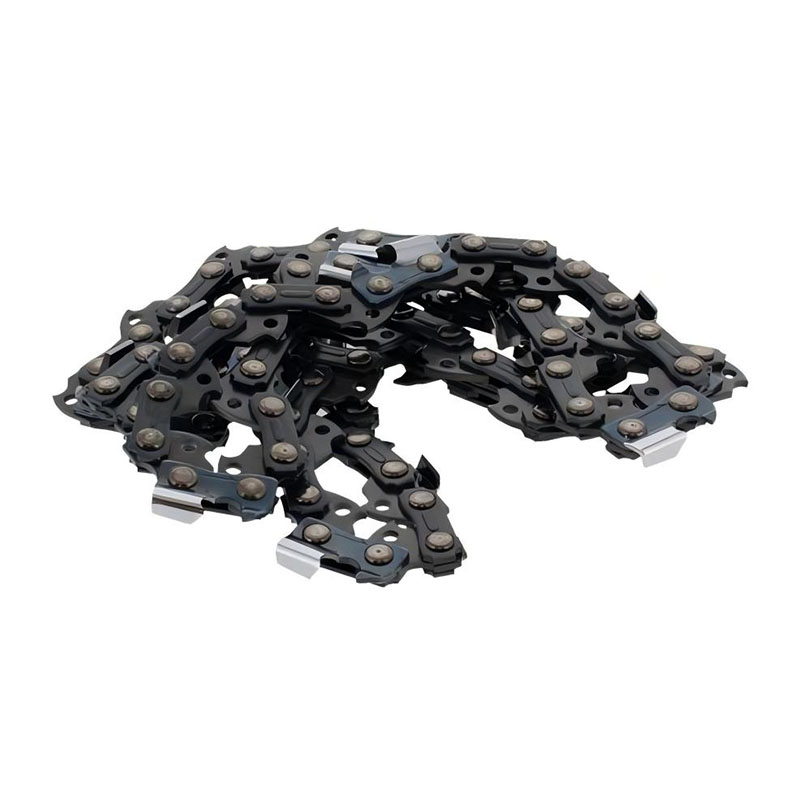
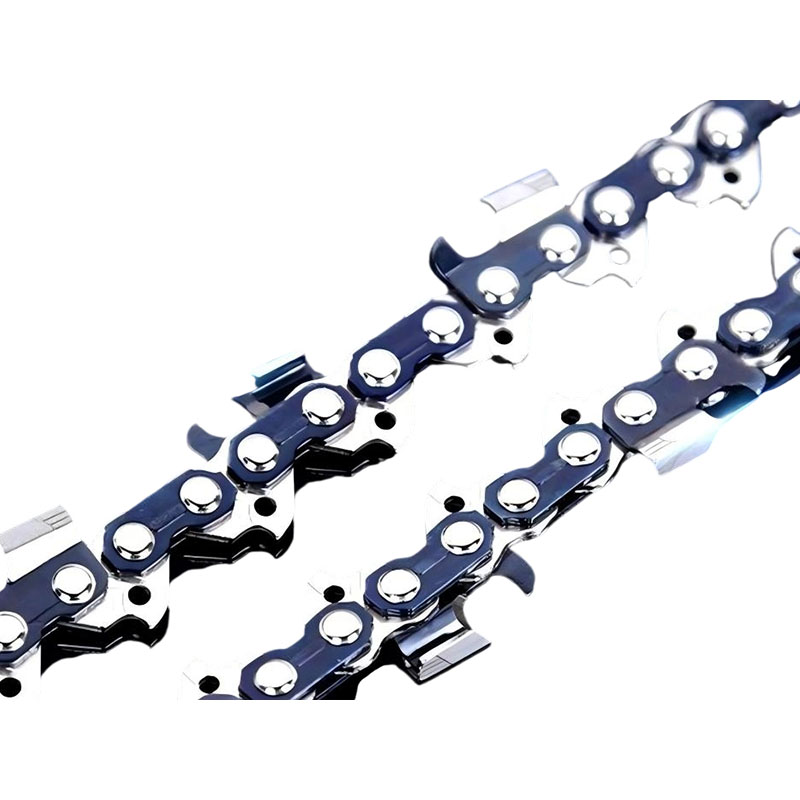
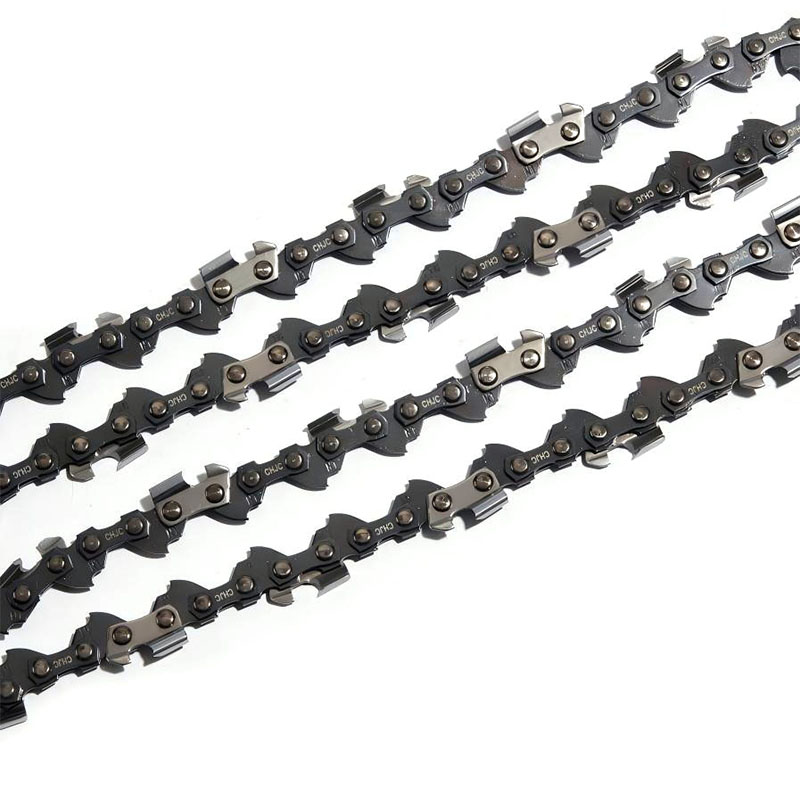
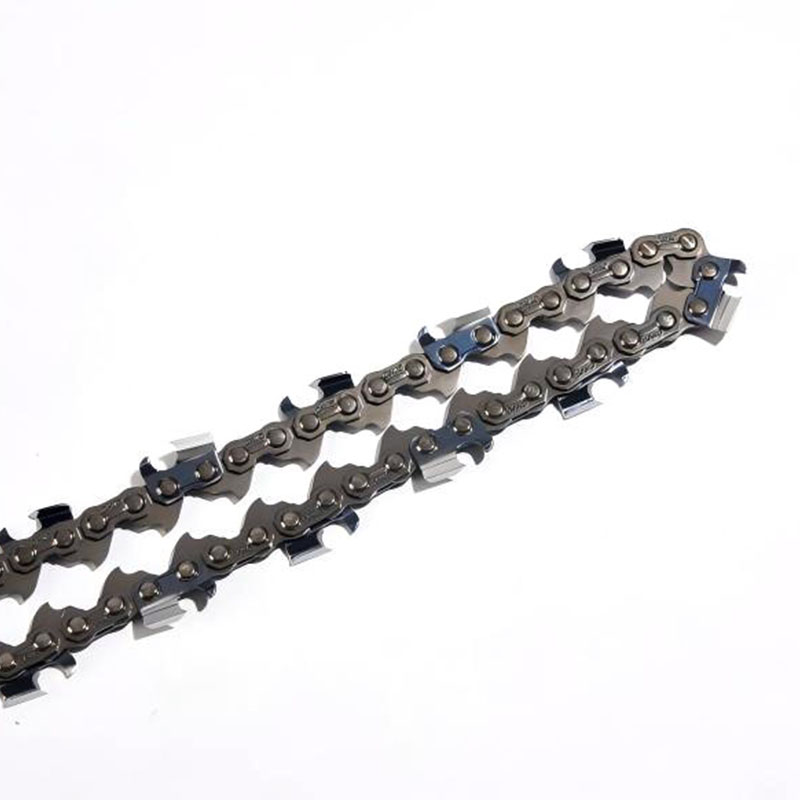
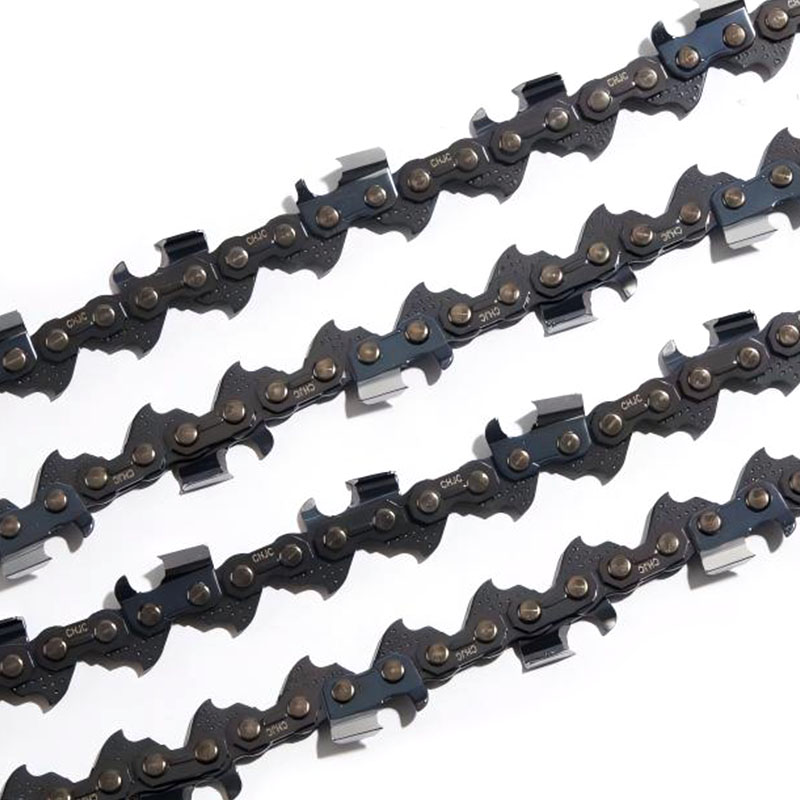
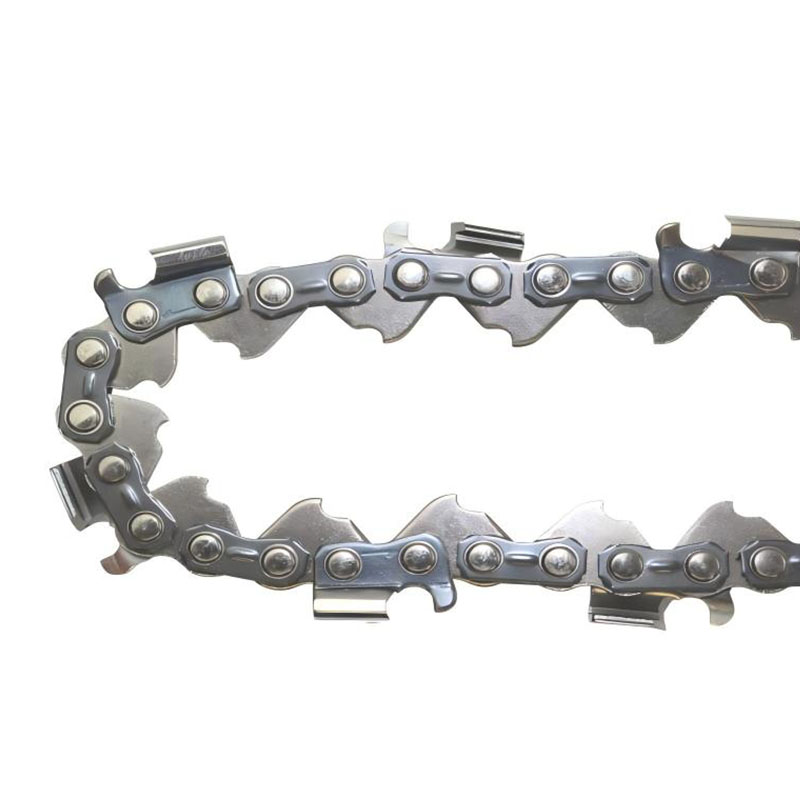
The .325" pitch is the most widely used chainsaw chain pitch for professional and semi-professional applications, bridging the gap between smaller 3/8" P chains and larger .404" chains. It offers an optimal balance of cutting speed, durability, and power requirements, typically used on chainsaws ranging from 38cc to 62cc. The three critical specifications you must match are: pitch (.325"), gauge (.043", .050", .058", or .063"), and drive link count (determined by your bar length). Standard .325" chains are designed for saws 38cc and above, while.325" LP (Low Profile) chains are specifically engineered for battery-powered and low-powered gas saws (under 38cc).
Common Specifications for .325" Pitch Saw Chains
Standard Gauge Options
.325" pitch chains come in four primary gauge thicknesses, each suited for different applications:
| Gauge | Metric | Typical Use | Saw Size Range | Example Models |
|---|---|---|---|---|
| .043" | 1.1mm | Battery/Lightweight gas saws | Under 38cc | Oregon 90PX, Husqvarna SP21G |
| .050" | 1.3mm | General purpose/Standard | 38-55cc | Oregon 20LPX, Husqvarna SP33G |
| .058" | 1.5mm | Heavy-duty professional | 45-62cc | Oregon 21LGX, Husqvarna S35G |
| .063" | 1.6mm | Maximum durability/Commercial | 50-62cc+ | Stihl 26RS, Oregon 22LPX |
Bar Length and Drive Link Counts
The number of drive links required depends entirely on your guide bar length. Common configurations include:
- 12-13 inch bar: 51-56 drive links
- 16-inch bar: 66 drive links
- 18-inch bar: 72-74 drive links
- 20-inch bar: 78-80 drive links
Cutter Types Available
.325" pitch chains offer three primary cutter profiles:
- Full Chisel: Square-cornered cutters for maximum cutting speed in clean wood; aggressive but higher kickback risk
- Semi-Chisel (Micro-Chisel): Rounded working corners for better stay-sharp performance and reduced kickback; ideal for dirty wood or novice users
- Carbide-Tipped: Specialized cutters for cutting dirty wood, roots, or treated lumber; stays sharp up to 4x longer than standard chains
.325" Standard vs. .325" LP (Low Profile): Key Differences
Fundamental Design Distinctions
While both share the same .325" pitch (distance between rivets), they are not interchangeable. The LP designation refers to a narrower kerf design with reduced drive link height and smaller cutter profiles.
| Feature | .325" Standard | .325" LP (Low Profile) |
|---|---|---|
| Typical Gauge | .050", .058", .063" | .043", .050" |
| Recommended Saw Power | 38cc - 62cc+ | Under 38cc (battery/low-powered gas) |
| Kerf Width | Standard (wider cut) | Narrow (more cuts per charge) |
| Weight | Heavier | Lighter (reduced bar nose weight) |
| Sharpening File Size | 3/16" (4.8mm) | 5/32" (4.0mm) |
| Chain Speed | Higher at full power | Optimized for 1-3 HP range |
| Common Applications | Professional felling, bucking, firewood | Pruning, limbing, battery saws |
Compatibility Warning
Never mix .325" standard and .325" LP chains on the same bar. The drive link heights differ, which will cause improper seating in the bar groove, accelerated wear, and potential safety hazards. Always verify your saw's specifications—Husqvarna's SP21G and Oregon's 90PX/80TXL series are LP chains, while Oregon 20LPX/21LGX and Stihl 26RS are standard .325" chains.
How to Choose the Right .325" Pitch Chain
Step 1: Match Your Saw's Power Output
Select based on engine displacement or motor power:
- Under 38cc / Battery saws: Choose .325" LP with .043" or .050" gauge for optimal efficiency and reduced power consumption
- 38-50cc: Standard .325" with .050" gauge offers the best balance of cutting speed and durability
- 50-62cc: Standard .325" with .058" or .063" gauge provides maximum durability for demanding professional use
Step 2: Select Appropriate Cutter Type
Your cutting environment determines cutter selection:
- Clean wood, speed priority: Full chisel cutters (Oregon 21LGX, Stihl 26RS) deliver 15-20% faster cutting speeds
- Dirty wood, occasional users: Semi-chisel/micro-chisel (Oregon 20BPX, Husqvarna SP33G) offers 40% better stay-sharp performance
- Abrasive conditions: Carbide-tipped chains (Stihl Rapid Duro) maintain sharpness 4x longer but require diamond grinding wheels for sharpening
Step 3: Verify Bar Specifications
Check your bar's stamped markings for three parameters: pitch (.325"), gauge, and drive link count (or bar length). Oregon's 20LPX078G, for example, indicates .325" pitch, .050" gauge, and 78 drive links for a 20-inch bar.
Step 4: Consider Kickback Safety
For non-professional users, select chains meeting ANSI B175.1-2012 low-kickback requirements. These feature bumper drive links and reduced cutter depth gauges. Professional full-chisel chains without kickback reduction should only be used by experienced operators with specialized training.
Maintenance and Usage Tips for .325" Pitch Chains
Proper Tensioning Protocol
Chain tension directly impacts safety and bar life. Follow this procedure:
- Always tension with the engine stopped and cool
- Loosen bar nuts enough for the bar nose to move freely
- Hold the bar nose up and adjust the tension screw until the chain moves freely by hand without binding
- Snap the chain by pulling it from the bar and releasing to eliminate kinks
- Lift the chain from the bar's center—drive links should remain seated in the groove
- Retighten bar nuts while holding the nose up
- Critical: Loosen slightly after use, as the chain contracts when cooling
Sharpening Specifications
Maintain factory angles for optimal performance:
- Standard .325" chains: Use 3/16" (4.8mm) round file at 30° top plate angle
- .325" LP chains: Use 5/32" (4.0mm) round file
- Depth gauge clearance: Maintain .025" (0.64mm) below cutter height
- File position: 90° to the bar (horizontal), 30° to the chain centerline
Lubrication Best Practices
Adequate lubrication extends chain life by 300%:
- Check oil level every refuel and verify oil throw-off over a light background at half throttle
- Use quality bar and chain oil with tack additives—never use motor oil, which lacks adhesion
- For cold weather (below 20°F / -6°C), use specialized winter formula oil
- Keep bar groove and oil inlet holes clear of debris
Wear Inspection Checklist
Inspect before each use and replace when:
- Cutters show wear indicators (small marks on the top plate)
- Drive links exhibit more than 0.5mm wear on engagement surfaces
- Rivets show visible looseness or cracking
- Bar groove depth falls below specification (typically 0.5mm clearance required)
Frequently Asked Questions About .325" Pitch Saws
Can I use a .325" chain on a 3/8" pitch saw?
No. The pitch must match exactly. A .325" chain has a rivet spacing of 8.25mm, while 3/8" is 9.525mm. Attempting to interchange them will damage the sprocket, bar, and chain immediately.
Why does my .325" chain stretch so quickly during break-in?
New chains naturally stretch 2-3mm during the first 2-3 tanks of fuel. Check and adjust tension every 15 minutes during initial use. Premium chains like Oregon's OCS-01 steel or Husqvarna X-CUT feature patented alloys that reduce stretch by up to 40% during break-in.
How many times can I sharpen a .325" chain before replacement?
With proper technique, 10-15 sharpenings are typical for standard chains. Carbide-tipped chains can be resharpened 5-8 times using diamond wheels. Replace when cutters are worn to wear indicators or when the chain no longer maintains tension.
Is .325" pitch suitable for hardwoods like oak and hickory?
Yes. .325" pitch is widely used for hardwood applications. For dense hardwoods, select .058" or .063" gauge with full-chisel cutters and ensure your saw has adequate power (45cc+). The narrower kerf of .050" gauge may cause slower cutting in dense material but reduces fuel consumption.
What causes my .325" chain to cut crooked?
Uneven cutter sharpening is the primary cause. All cutters must be filed to identical length and angle—differences as small as 0.5mm cause directional drift. Other causes include: worn bar rails (uneven groove depth), bent bar, or damaged drive sprocket.
Can I convert my saw from 3/8" to .325" pitch?
Yes, but requires changing three components: the sprocket (clutch drum), guide bar (different groove pitch), and chain. Many professional saws offer conversion kits. Verify your saw model supports .325" pitch—most 35cc-60cc saws do.
How do I identify an LP chain vs. a standard .325"?
Check the drive link markings: LP chains typically have codes like "90PX," "80TXL," or "SP21G." Standard chains use "20LPX," "21LGX," "26RS," or "SP33G." When in doubt, measure the drive link thickness—LP links are approximately 0.5mm shorter in height than standard.