English
 中文简体
中文简体
 русский

Content
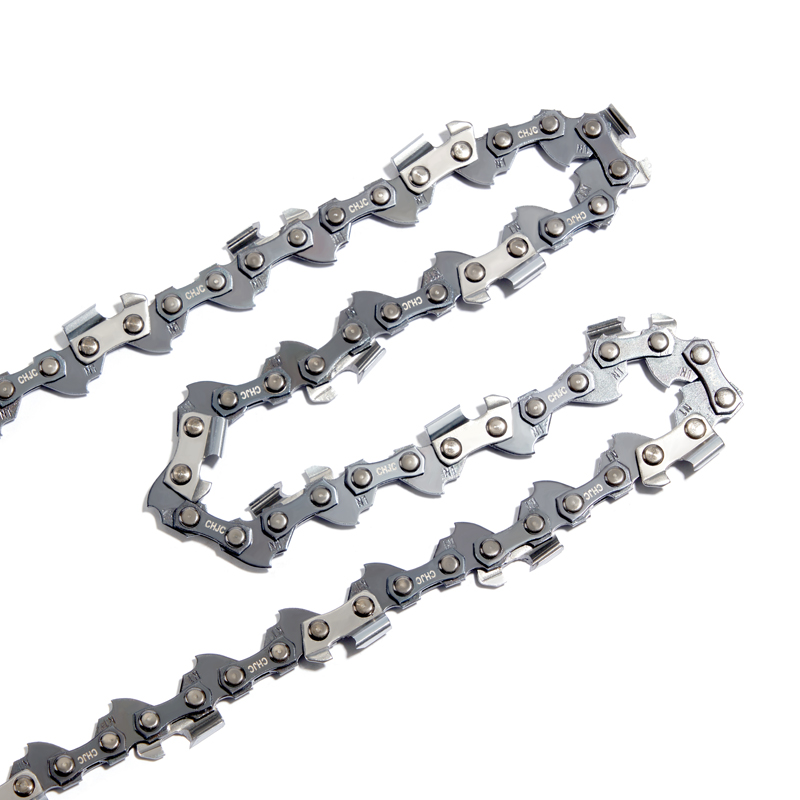
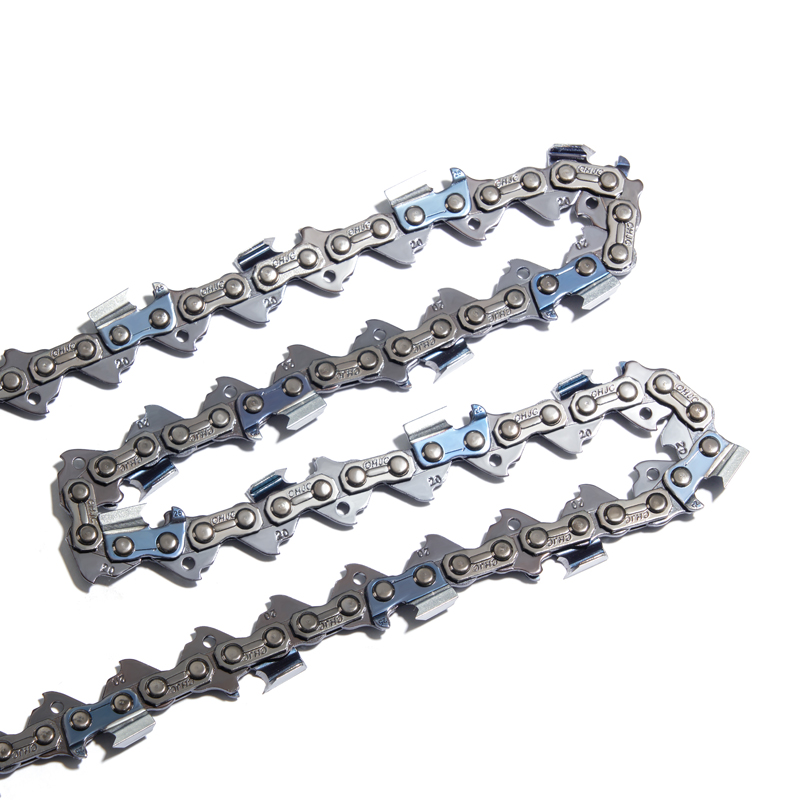
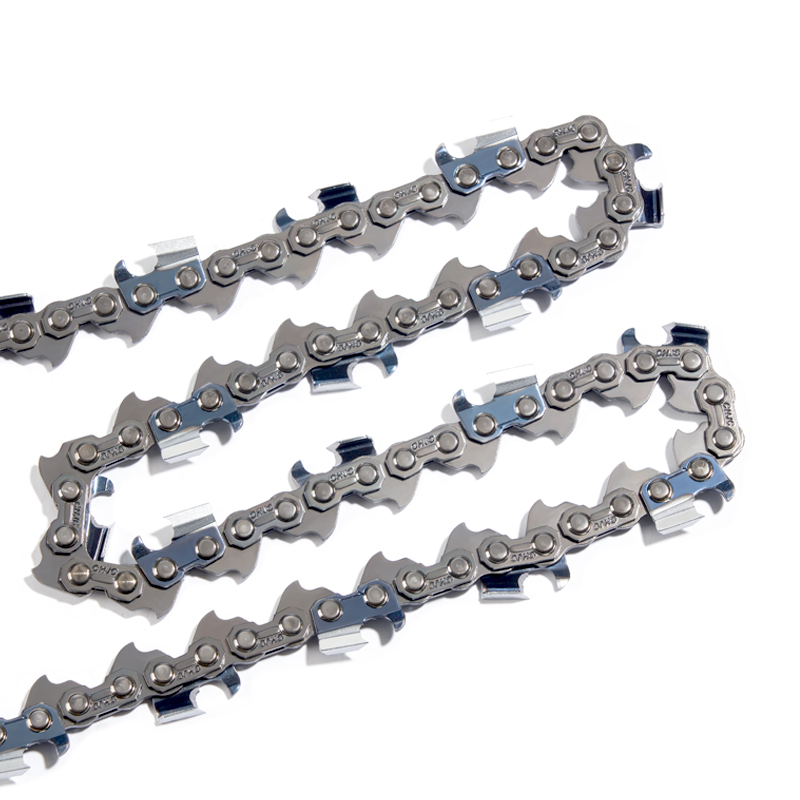
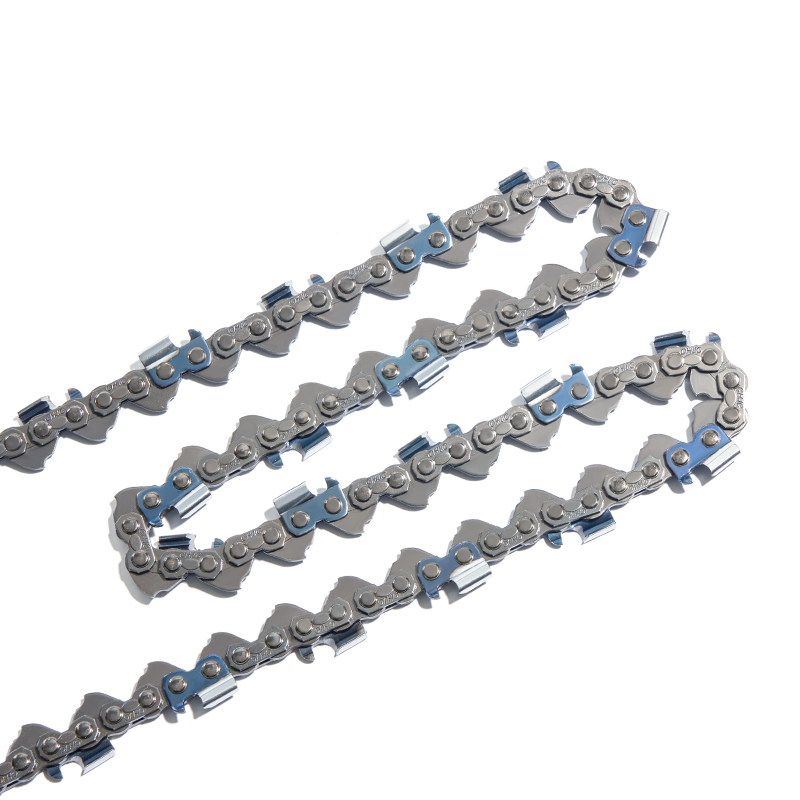
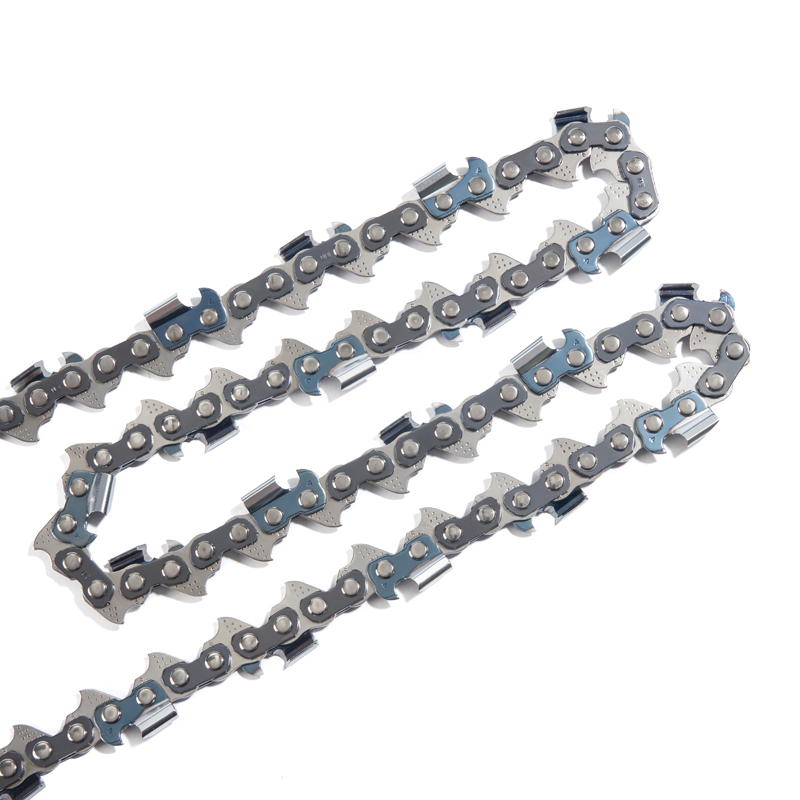
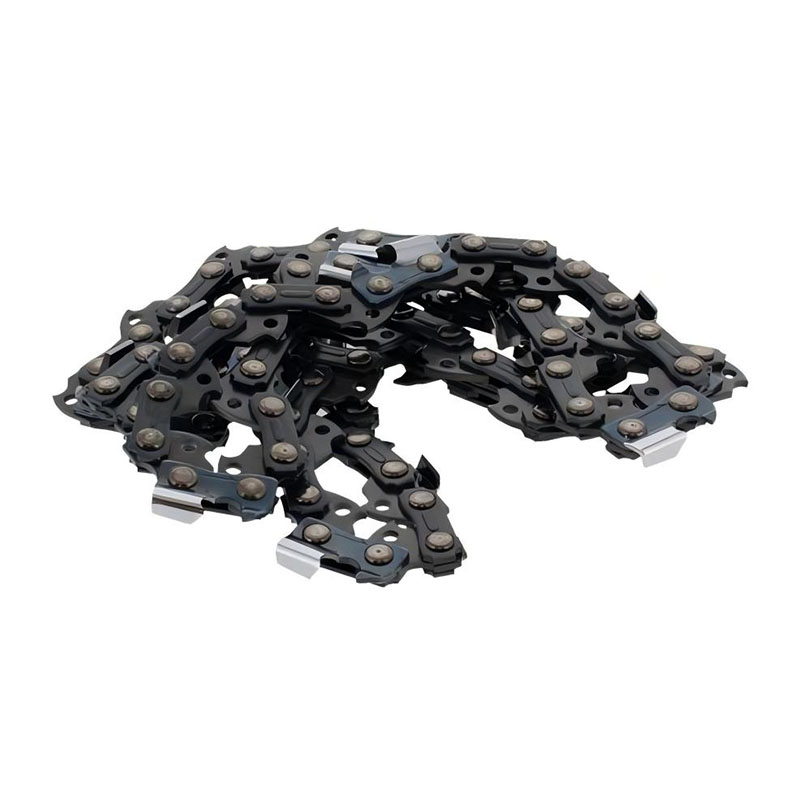
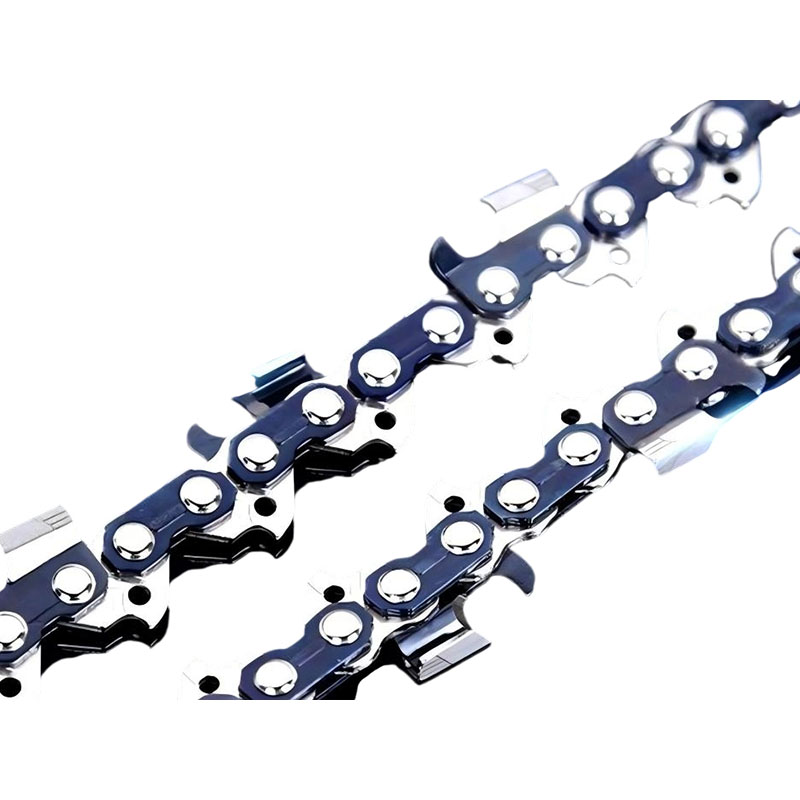
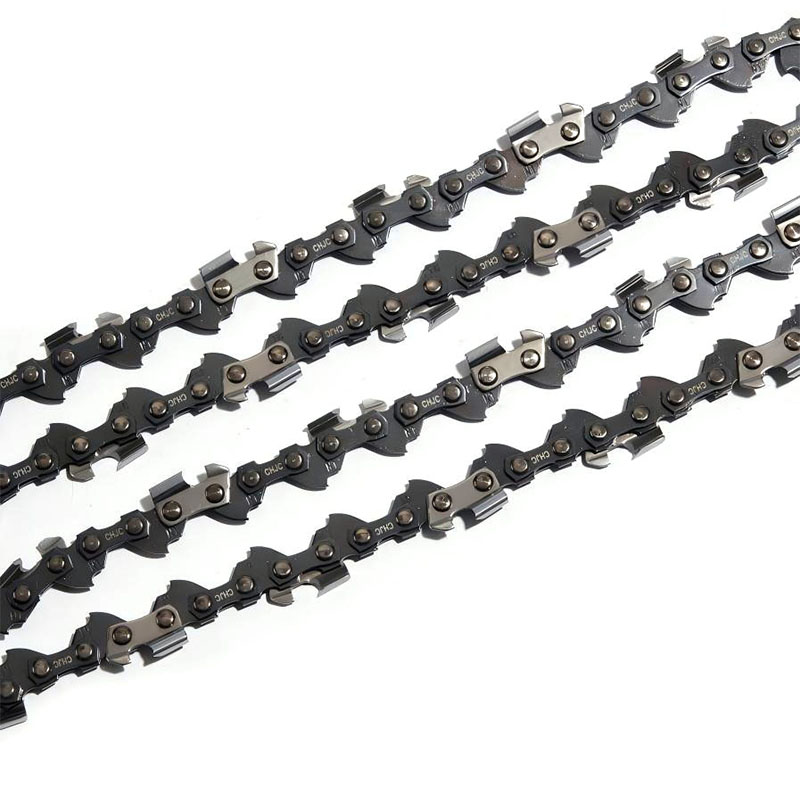
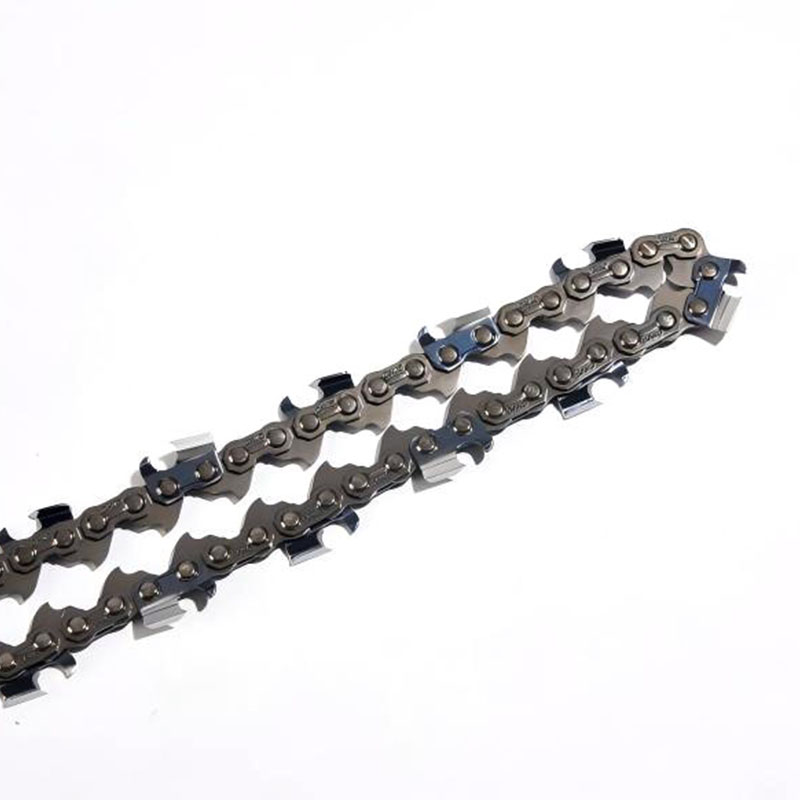
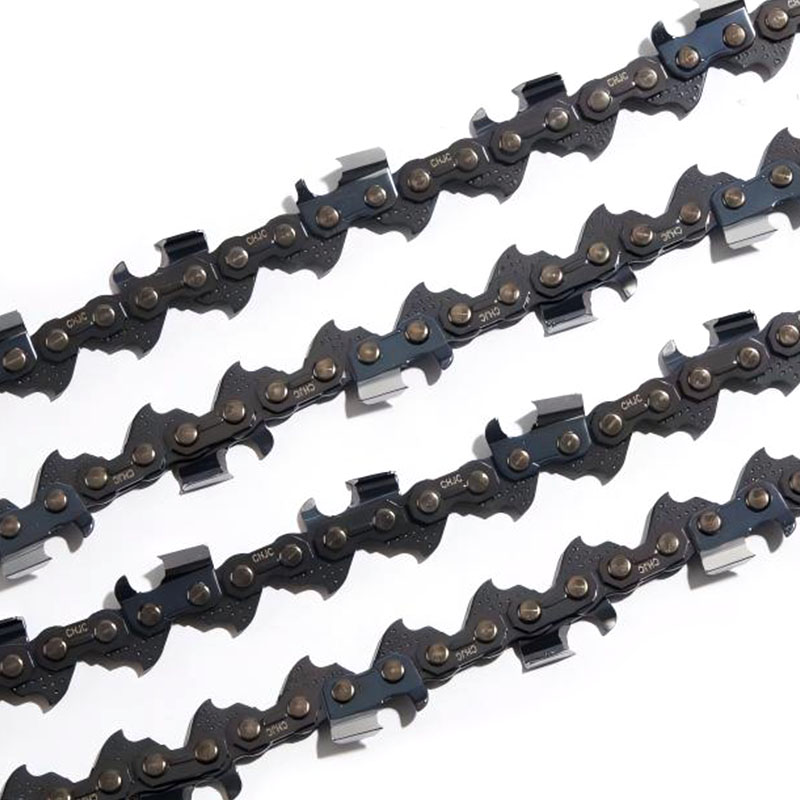
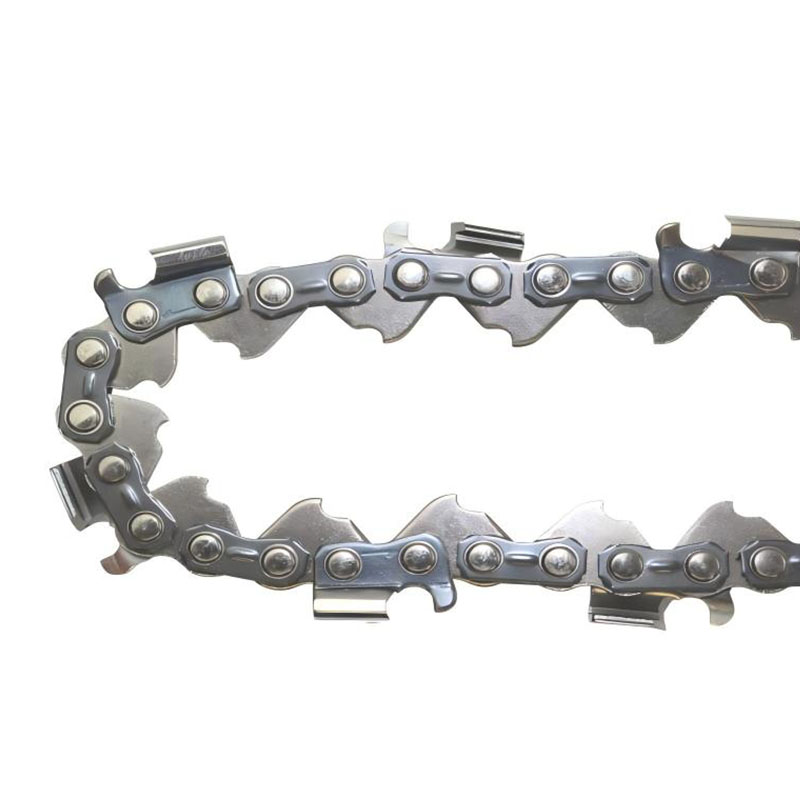
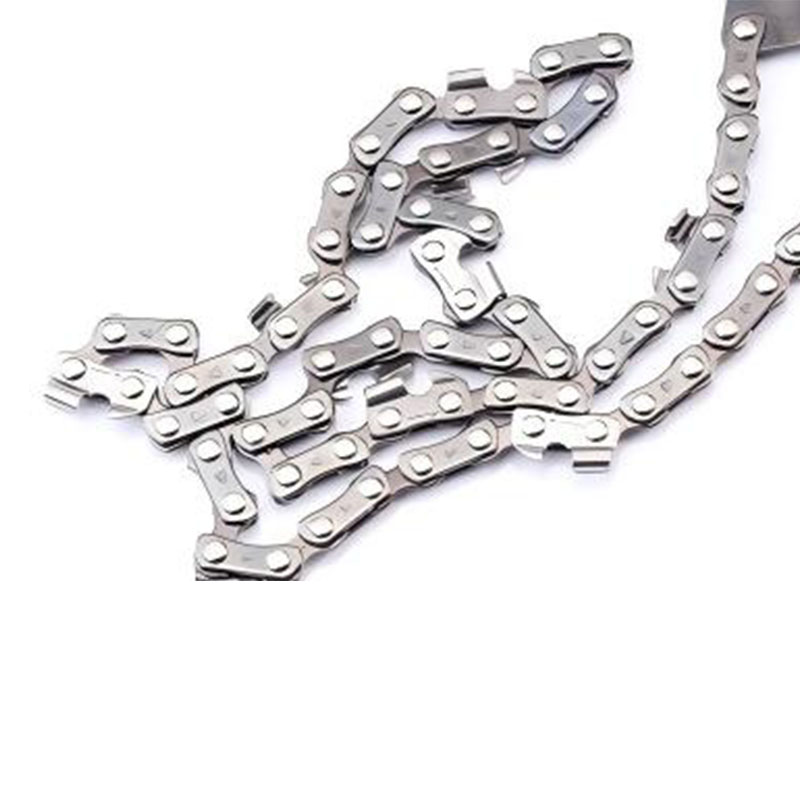
Safety is the primary consideration when using a 1/4'' Saw Chain. The following are detailed safety precautions compiled based on Hengjiu Machinery Group's years of R&D and manufacturing experience to ensure that risks are minimized when using 1/4'' Saw Chains.
Preparation Before Operation
Before officially starting the equipment, a thorough inspection and preparation must be carried out to prevent potential safety hazards.
Wear Personal Protective Equipment
Safety Eyes: During the cutting process, wood chips or metal shavings may fly. Wearing safety eyewear can effectively prevent these flying objects from entering the eyes.
Earplugs or Earmuffs: Chainsaws are very noisy, and prolonged exposure can damage hearing. Wearing protective earplugs is recommended.
Protective Gloves: Hands are easily injured or slippery during cutting. Wearing protective gloves provides necessary protection.
Protective Clothing: Wearing tight-fitting clothing may result in the chainsaw getting the clothing caught in the fabric. Loose-fitting protective clothing with no loose fabric is recommended.
Check the Saw Chain Installation
Saw Chain Tension: Check if the saw chain is properly tensioned. Too loose a chain will cause it to slip off, while too tight a chain will increase the motor load. Hengjiu Machinery Group's 1/4'' Saw Chains are designed with an anti-slip structure, but proper tension is still necessary.
Guide Plate Position: Ensure the gap between the saw chain and the guide plate is correct, typically between 0.1mm and 0.3mm. Too large a gap can cause jamming, while too small a gap will wear down the guide plate.
Safety Devices: Check that the chainsaw's safety guard is intact. The safety guard is crucial to prevent the chainsaw from slipping off.
Environmental and Work Site Inspection
Ground Levelness: Ensure the operating area is level and dry to prevent the chainsaw from slipping or falling due to unstable footing.
Clear Obstacles: Clear weeds, flammable materials, and unauthorized personnel from the work area to ensure a safe working space.
Sufficient Lighting: Ensure adequate lighting in the cutting area to prevent misoperation due to poor visibility.
Key Operations During Cutting
During actual cutting, maintain focus and strictly adhere to operating procedures.
Confirm Material Stability
Secure the workpiece: When cutting wood or metal, ensure the material is stable. Hengjiu Machinery Group's 1/4'' Saw Chains are suitable for various materials; before cutting, ensure the material is not loose to prevent the saw chain from snapping back due to uneven stress.
Avoid ropes and wires: Before cutting, ensure there are no ropes, wires, or other obstacles within the working area to prevent injury from the chain snapping back after cutting.
Correct Grip and Posture
Two-hand grip: Use both hands to grip the chainsaw, arms naturally extended, maintaining balance. When cutting, shift your body weight slightly backward to prevent the impact force from pushing the saw towards you.
Concentrate your vision: When cutting, focus your vision on the front of the saw chain's entry point, avoiding staring at the saw chain itself to prevent misjudging its condition.
Control Cutting Depth and Speed
Segmented cutting: For thicker materials, avoid cutting deep in one go. A segmented cutting method should be used, gradually increasing the depth to reduce impact on the saw chain.
Avoid dry cutting: When the saw chain loses cutting resistance (dry cutting), a recoil force may occur. In this case, immediately release the throttle and wait for the saw chain to stop rotating before continuing.
Shutdown and Maintenance
Proper shutdown and maintenance are equally important after work is completed.
Correct Shutdown Procedure
First, shut down: After cutting, release the throttle to allow the saw chain to naturally slow down and stop rotating.
Security Disconnect: After the saw chain has completely stopped, turn off the power or remove the spark plug. Ensure the chainsaw is completely powered off before cleaning or adjusting.
Regular Inspection and Maintenance
Replace dull chains: Wear on 1/4'' Saw Chains manufactured by Hengjiu Machinery Group will significantly reduce cutting efficiency. Regularly check the sharpness of the cutting teeth; replace them promptly if dulled or damaged.
Lubricate the chain: Keep the saw chain lubricated using dedicated chainsaw oil. A chain that is too dry will wear down faster, while one that is too oily will splatter and obstruct vision.
Clean the protective cover: Regularly clean sawdust and oil stains from the protective cover to prevent obstruction of vision or impairment of its protective function.
Troubleshooting
Chain Detachment: If the saw chain accidentally detaches from the guide plate, do not try to grab it by hand. Immediately disconnect the power and wait for the chain to stop before checking for jamming or damage.
Preventing Sparks: Sparks may be generated when cutting metal. Be aware of any flammable materials nearby and have a fire extinguisher readily available if necessary.
Emergency Handling and Common Problems
Understanding emergency handling procedures is crucial when using 1/4'' Saw Chains.
Preventing Backlash Injuries
Chain Saw Backlash: When the chainsaw cuts through wood, it may generate a strong backlash force. Keep both hands firmly gripping the chain, maintain a stable center of gravity, and do not push the wood with excessive force.
Handling a Jammed Chain
Stop Using: If the saw chain suddenly jams during cutting, immediately turn off the power. Do not forcibly pull out or shake the chainsaw, as this may cause the chain to pop out and injure you.
Check the guide plate: Chain jamming may be due to a damaged or deformed guide plate. Stop using the chainsaw immediately and replace the guide plate.
Prevent accidental activation
Safety switch: Ensure the safety switch is in the off position before use. This prevents accidental activation during maintenance and potential injury.