English
 中文简体
中文简体
 русский

Content
"Every chainsaw chain is defined by three critical measurements. Getting all three right is the difference between effortless performance and a dangerous misfit."
The Three Numbers That Define Your Chain
Every chainsaw chain is defined by three critical measurements: pitch, drive link count, and gauge. Getting all three right is essential for safe and effective cutting. A mismatch on any one of them can cause dangerous failure in the field.
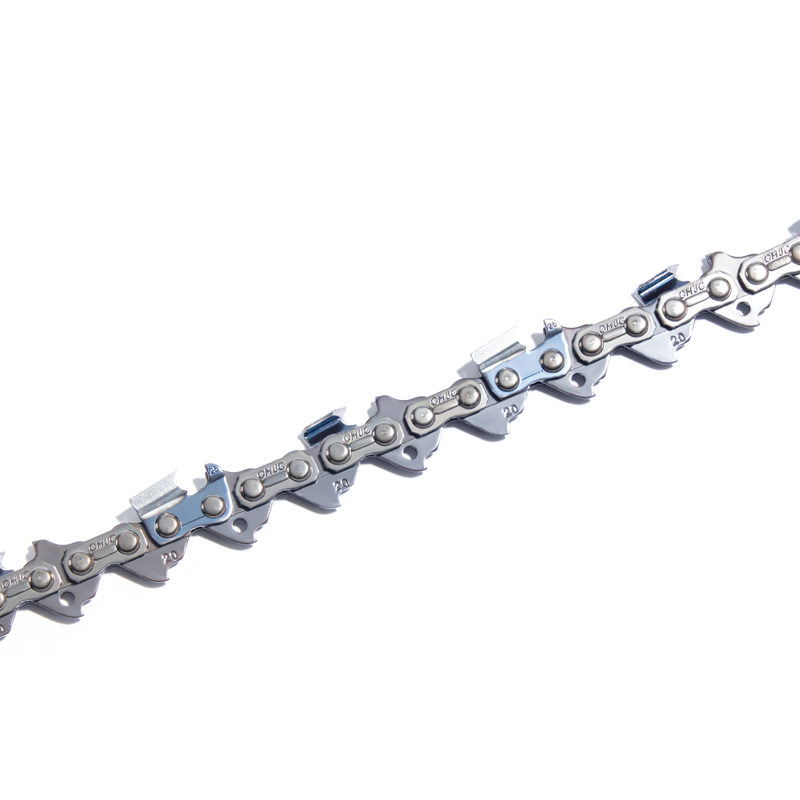
Featured Product
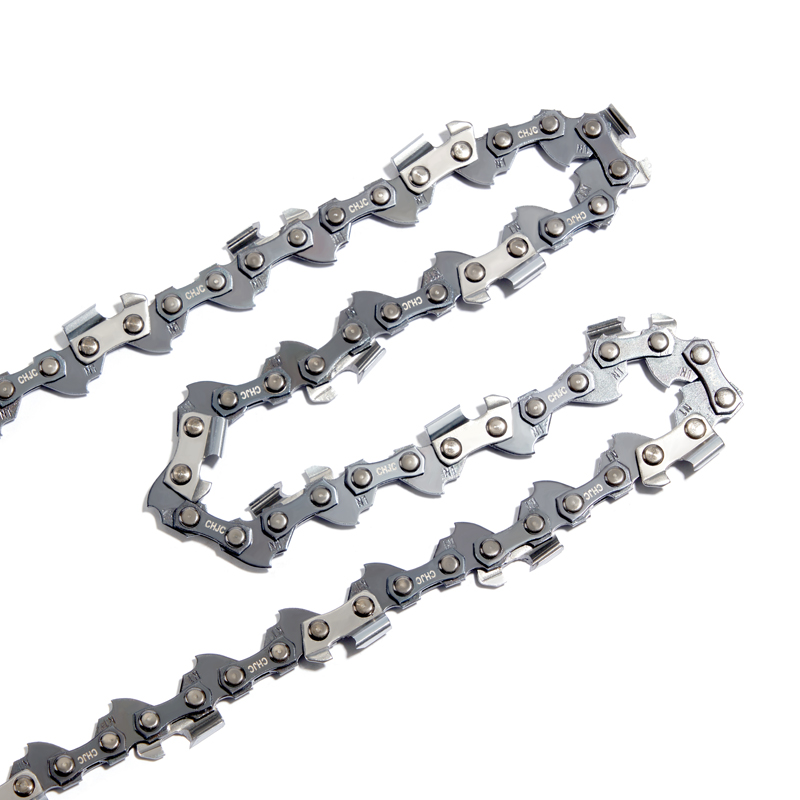
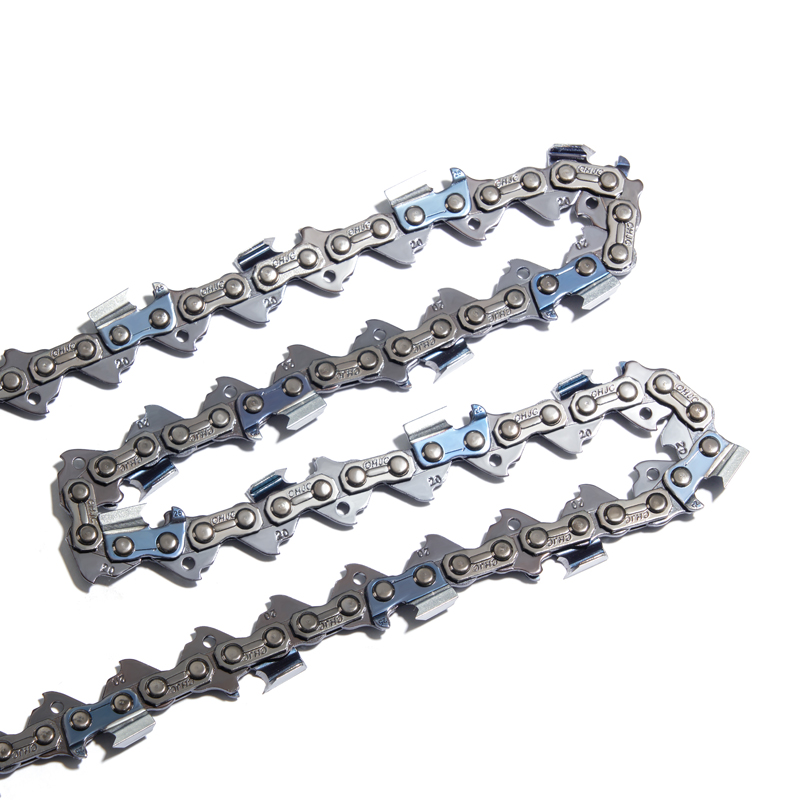
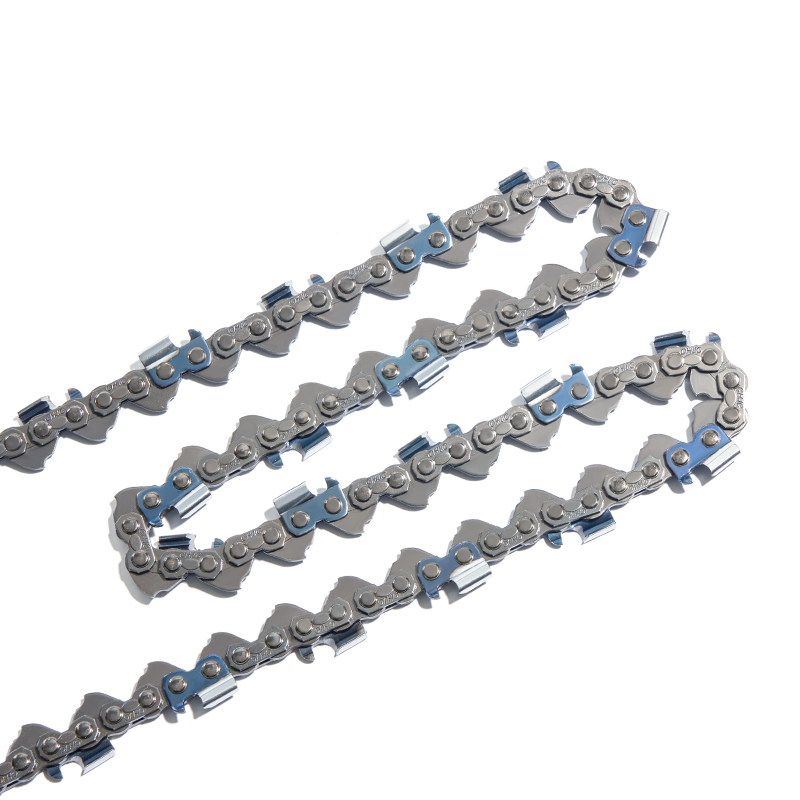
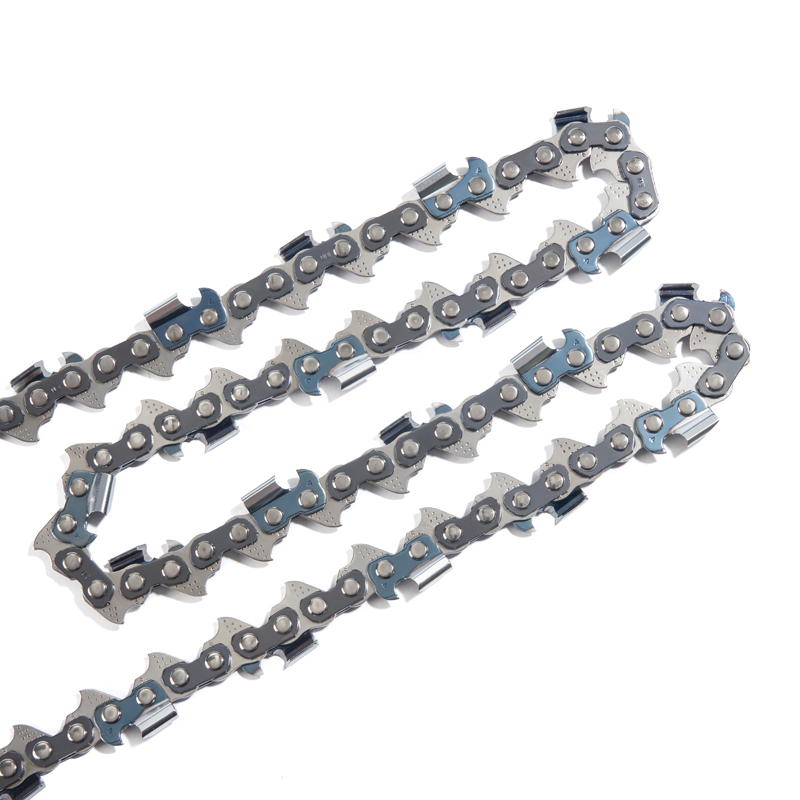
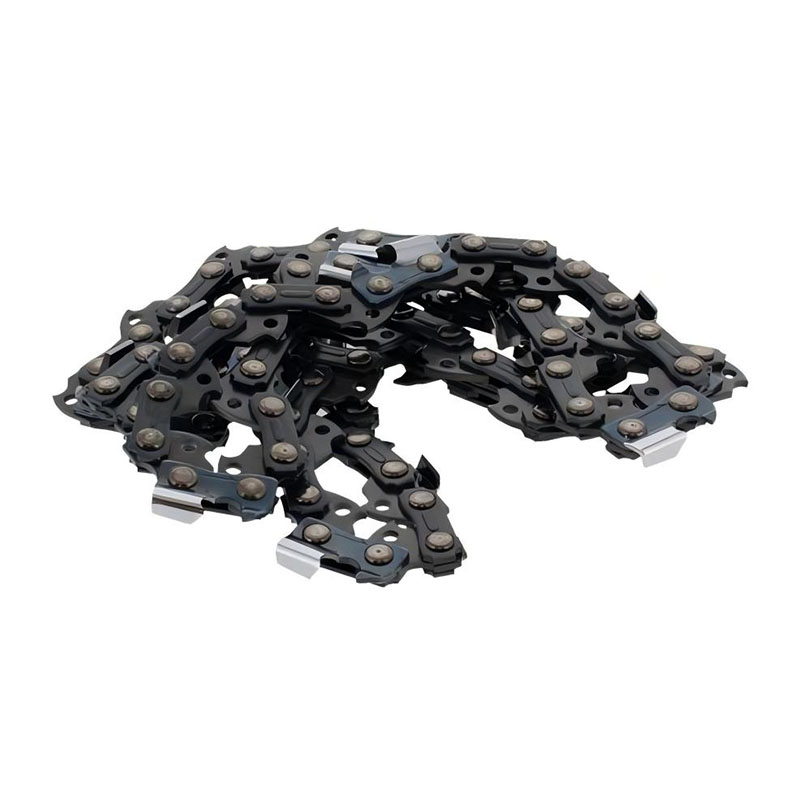
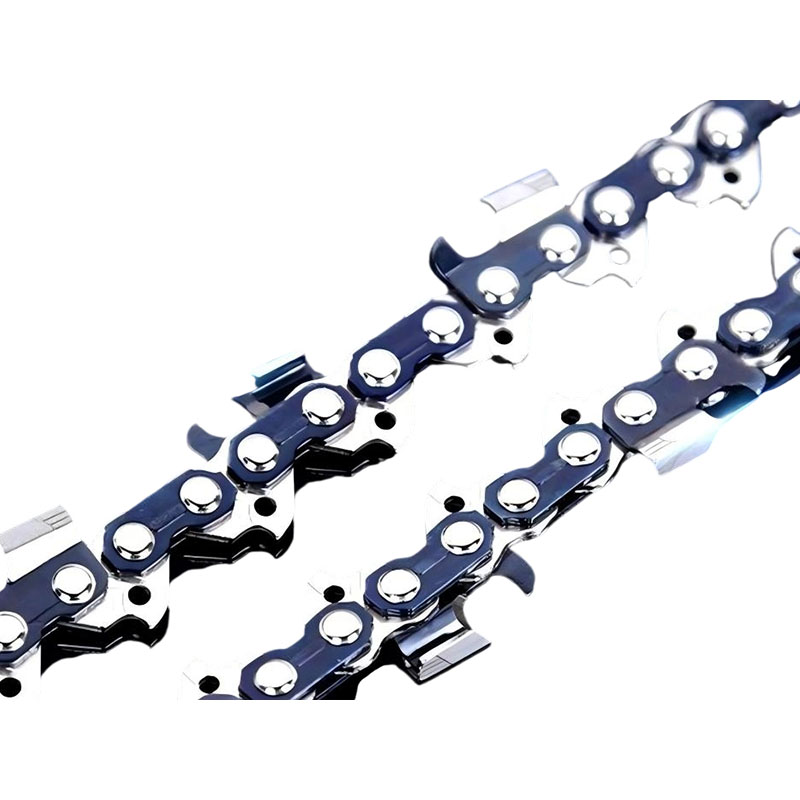
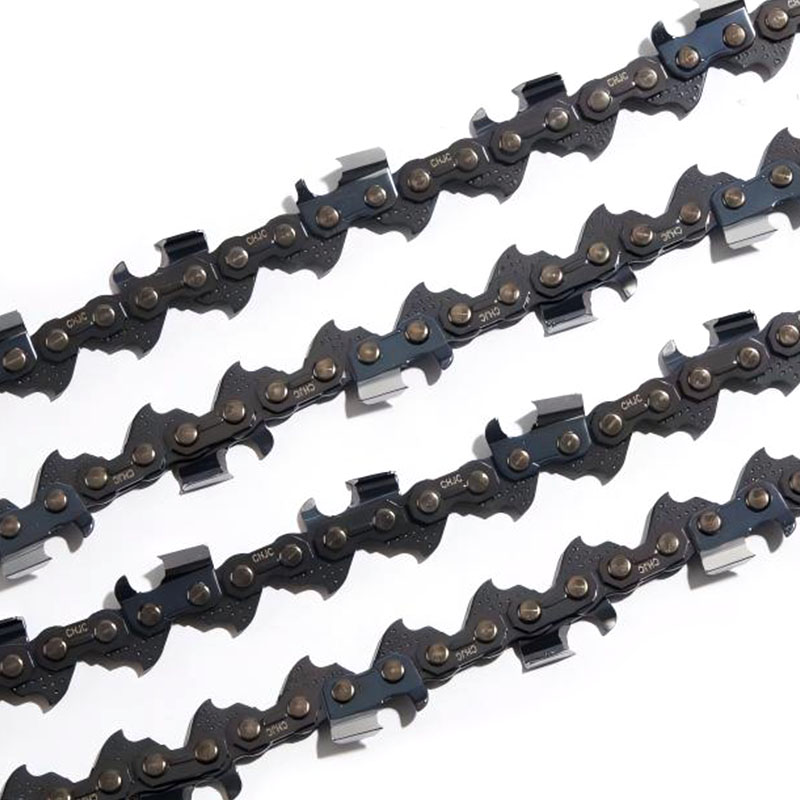
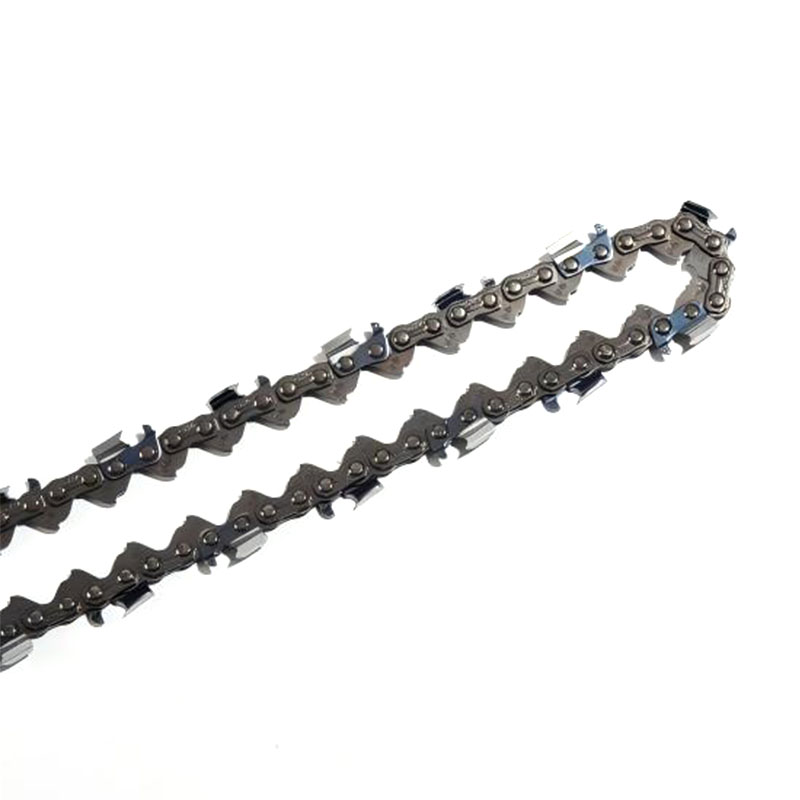
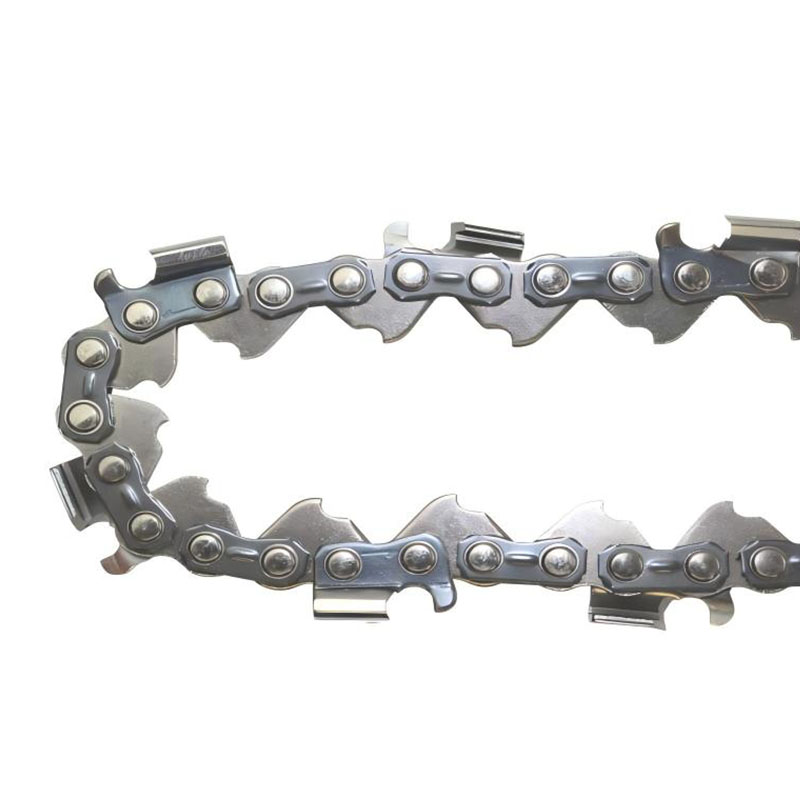
The .325'' saw chain is suitable for a wide range of cutting jobs. Its unique cutter head design maximizes performance across diverse applications — from homeowner firewood prep to orchard maintenance.
1. Pitch — The Spacing Between Links
Pitch is measured as half the distance between any three consecutive rivets. Common pitches include 1/4", 3/8", .325", and .404". The pitch must match your guide bar and drive sprocket exactly — there is no workaround for a pitch mismatch.
2. Drive Link Count — The Chain Length
Drive links are the teeth on the underside of the chain that engage the sprocket and ride in the bar groove. The count determines how long the chain is — a mismatch of even one link will prevent proper fit and should never be forced onto the bar.
3. Gauge — The Drive Link Thickness
Gauge refers to the thickness of the drive link tang that fits into the bar groove. Standard gauges are .043", .050", .058", and .063". Too narrow and the chain falls out; too wide and it binds — both scenarios are hazardous.
| Pitch | Gauge | Typical Use | Hengjiu Product |
|---|---|---|---|
| 1/4" | .043" / .050" | Pruning / arborist | 1/4'' Saw Chain Series |
| .325" | .050" / .058" / .063" | Homeowner / medium | .325'' Saw Chain Series |
| 3/8" | .050" / .058" / .063" | Professional / heavy duty | 3/8'' Saw Chain Series |
| .404" | .063" / .080" | Harvesting / milling | .404'' Saw Chain Series |
How to Find Your Chain Size: Four Methods
If you're unsure of your chain's specifications, there are several reliable ways to find out before purchasing a replacement. Never guess — an incorrect replacement creates real safety hazards.
Method 1: Check the Guide Bar Label
Most guide bars have the chain specifications printed or stamped directly on them. Look for a combination like 72 — 3/8 — .050, which indicates 72 drive links, 3/8" pitch, and .050" gauge.
Method 2: Read the Old Chain's Part Number
Many chains have a part number stamped on the tie strap that encodes pitch, gauge, and drive link count. Learning to decode these numbers saves time and eliminates guesswork when shopping for replacements. Always verify with the manufacturer's compatibility tool before purchasing.
Method 3: Consult Your Chainsaw Manual
The owner's manual lists exact chain specifications for your model. If the manual is lost, the manufacturer's website typically has downloadable PDFs organized by model number — a reliable authoritative source.
Method 4: Measure Directly
Using calipers, measure pitch by taking the distance across three consecutive rivets and dividing by two. Count drive links manually around the entire loop. Gauge can be measured with a feeler gauge or digital calipers at the drive link tang.
Hengjiu Saw Chain Product Range
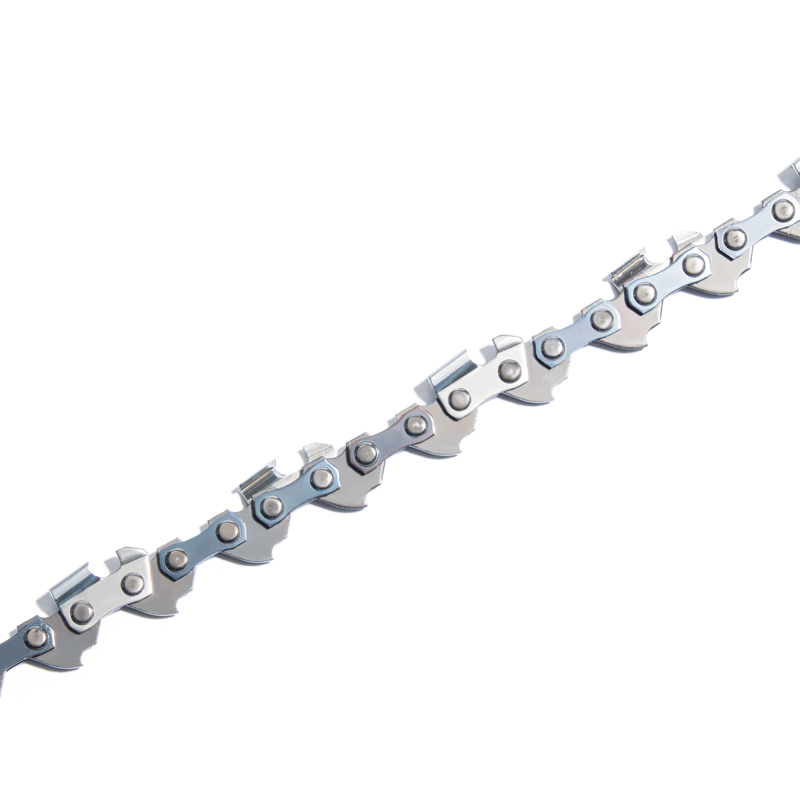
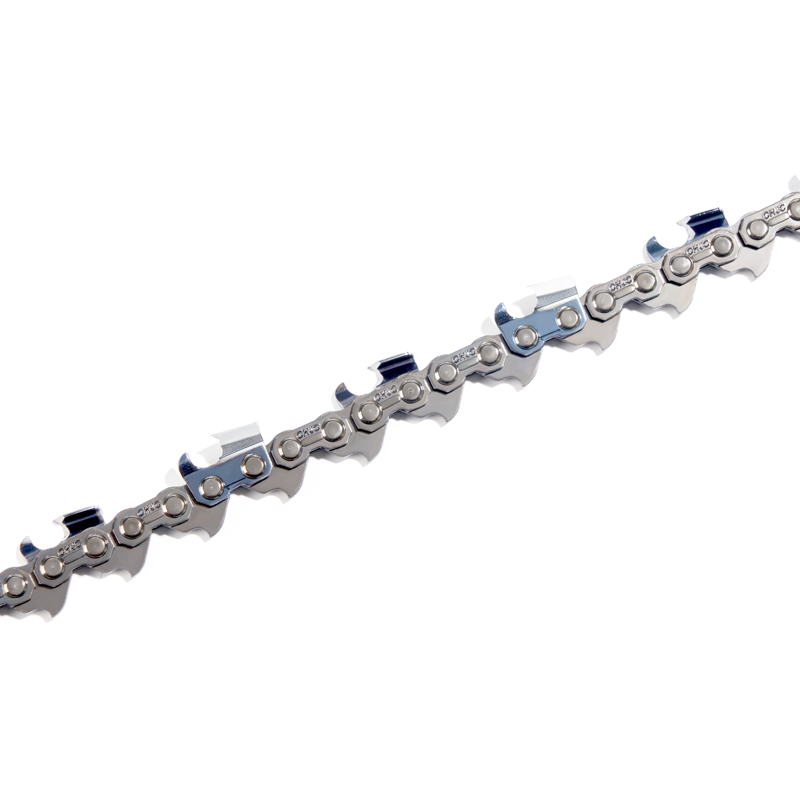
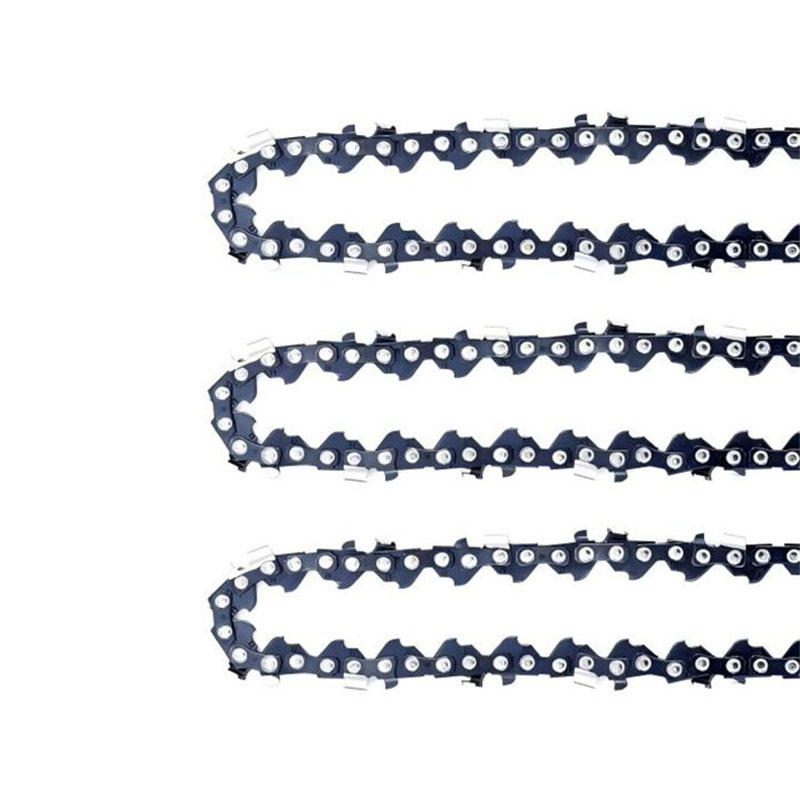
Founded in 1953, Zhejiang Hengjiu Saw Chain Co., Ltd. manufactures precision saw chains using raw materials imported from Germany, with advanced heat treatment and automatic assembly equipment. The full product range covers every common application:

Arborist / Pruning
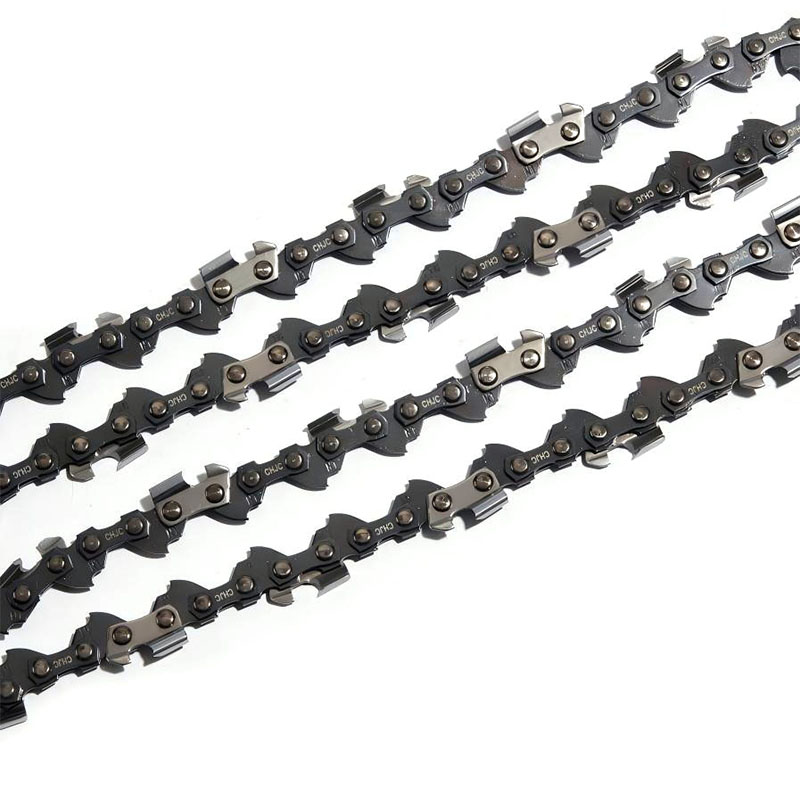
Precision and performance in narrow spaces. Compatible with handheld and electric chainsaws. Provides smooth operation and long-lasting sharpness for tree pruning and arborist work. Available in .043" and .050" gauge.
Saw Chain Types: Cutter Profiles Explained
Beyond dimensions, the cutter profile significantly affects cutting performance, safety, and suitability for different wood types and conditions. Hengjiu offers both full-chisel and semi-chisel cutter designs across its product lines.
Full Chisel
Square-cornered cutters that cut fastest in clean softwood. They dull quickly in dirty or rocky conditions and carry a higher kickback risk. Best suited for professional timber falling in controlled environments. Available in Hengjiu's .325" and 3/8" series.
Semi-Chisel
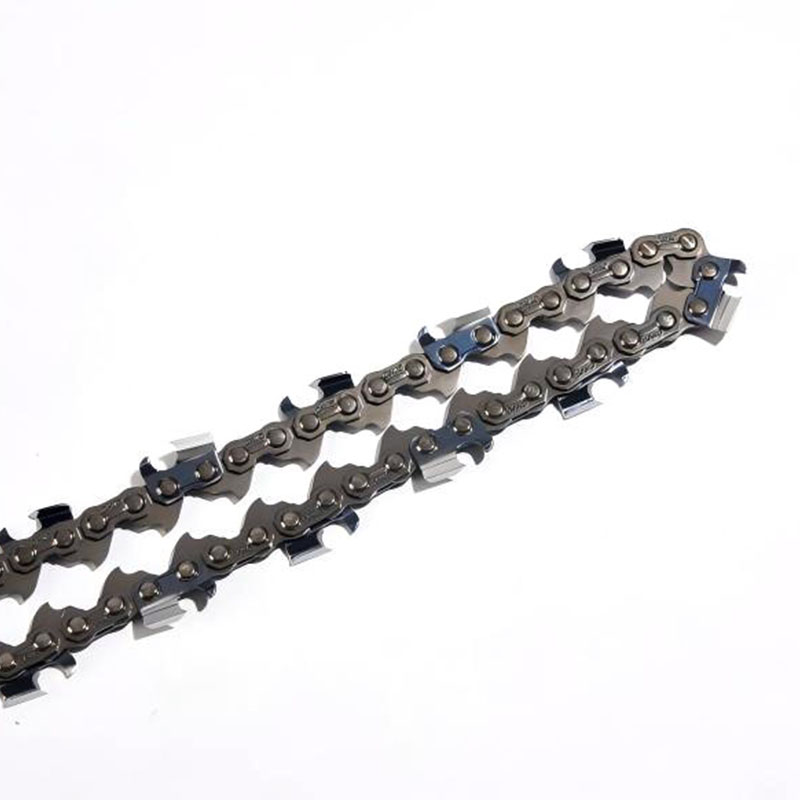
Rounded corner cutters that stay sharp longer in dirty or frozen wood. They cut slightly slower than full chisel but are far more forgiving for general-purpose use — an excellent choice for homeowners working with varied wood conditions.
Low-Profile (LP) Chains
Low-profile chains feature a lower cutter head with a smaller pitch, making them ideal for lightweight chainsaws. Hengjiu's 3/8" LP and .325" LP chains are specifically designed for home users, gardeners, and orchardists who need safe, manageable performance without sacrificing cut quality.
Harvester / Chipper Chains
Hengjiu's .404" harvester chain with .080" gauge is engineered for wood processing plants and industrial forestry operations. Its larger pitch and thicker gauge provide exceptional durability under continuous heavy-duty use, significantly reducing the risk of chain stretch or breakage.
| Profile | Cut Speed | Stays Sharp In | Best For | Hengjiu Series |
|---|---|---|---|---|
| Full Chisel | ***** | Clean softwood | Pro timber falling | .325" .050" / 3/8" .050" |
| Semi-Chisel | **** | Dirty / frozen wood | General purpose | 3/8" series |
| Low Profile (LP) | *** | Mixed conditions | Home / garden | 3/8" LP / 1/4" LP |
| Harvester | ***** | Industrial conditions | Large timber / milling | .404" Harvester |
Signs Your Chain Size or Type Is Wrong
Safety Warning: Using an incorrectly sized or mismatched chain creates serious safety hazards and damages your equipment. Watch for these warning signs before every use:
- Chain won't seat on sprocket — Pitch mismatch; the chain cannot engage the drive sprocket teeth
- Chain falls off bar under load — Gauge too narrow for the bar groove, or drive link count too high
- Chain binds or drags excessively — Gauge too wide; chain is too tight in the groove
- Saw bogs down even with a sharp chain — Possible cutter type mismatch for the wood species (e.g., using a skip chain on short bars)
- Rapid dulling within one session — Cutter profile wrong for conditions (e.g., full chisel in dirty or rocky wood)
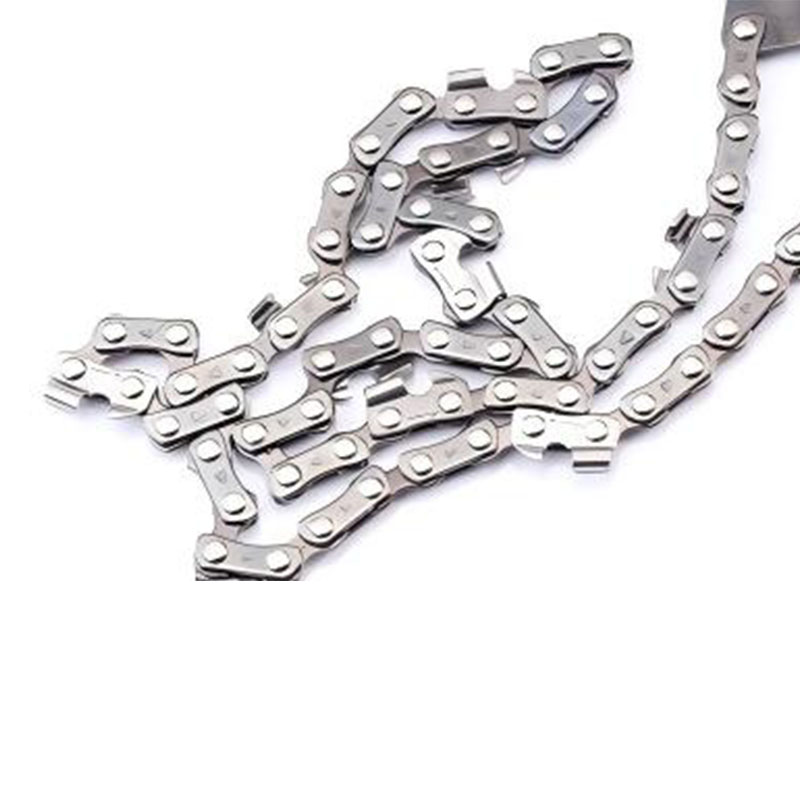
Recommended for beginners
The low-profile design with .043" gauge offers reduced kickback risk and gentler operation — an ideal starting point for first-time chainsaw users and homeowners who want confidence without sacrificing performance.
Material Quality & Manufacturing Standards
All Hengjiu saw chains are manufactured from 68CrNiMo3 steel — a high-alloy chromium-nickel-molybdenum steel with exceptional toughness and wear resistance. Raw materials are imported from Germany to ensure consistent metallurgical quality across every production batch.
- Advanced heat treatment — proprietary thermal processing for optimal hardness-toughness balance
- Automatic assembly equipment — precision manufacturing for consistent rivet and cutter alignment
- Full-process testing system — quality control from raw materials through finished products
- In-house mold making center — tight dimensional tolerances maintained across all production runs
- Top 10 chain manufacturer worldwide — over 70 years of continuous chain transmission expertise
Ready to Order?
Find the Right Chain for Your Saw
Browse the complete Hengjiu product range and contact the team for custom specifications and wholesale pricing.
+86-575-87380133 | steven@hengjiu-pt.com