English
 中文简体
中文简体
 русский

Content
- 1 What Is a .404" Pitch Saw Chain and Why It Dominates Industrial Log Processing
- 2 Key Specifications of the .404" Pitch Saw Chain
- 3 Why the .404" Pitch Is the Preferred Choice for Industrial Log Cutting
- 4 Cutter Geometry Options: Full Chisel vs. Semi-Chisel for Log Applications
- 5 Sourcing .404" Pitch Saw Chains: What to Look for in a Manufacturer
- 6 Maintenance Best Practices to Maximize .404" Chain Service Life
- 7 Applications Beyond Timber Harvesting: Other Industrial Log Uses
- 8 Comparing .404" Pitch to Other Common Chainsaw Pitches
What Is a .404" Pitch Saw Chain and Why It Dominates Industrial Log Processing
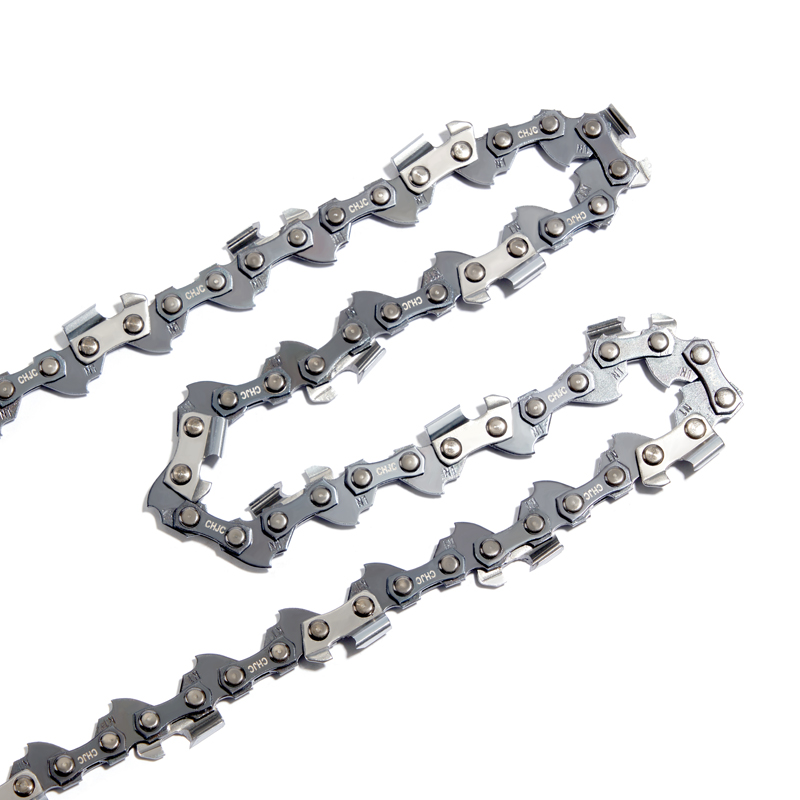
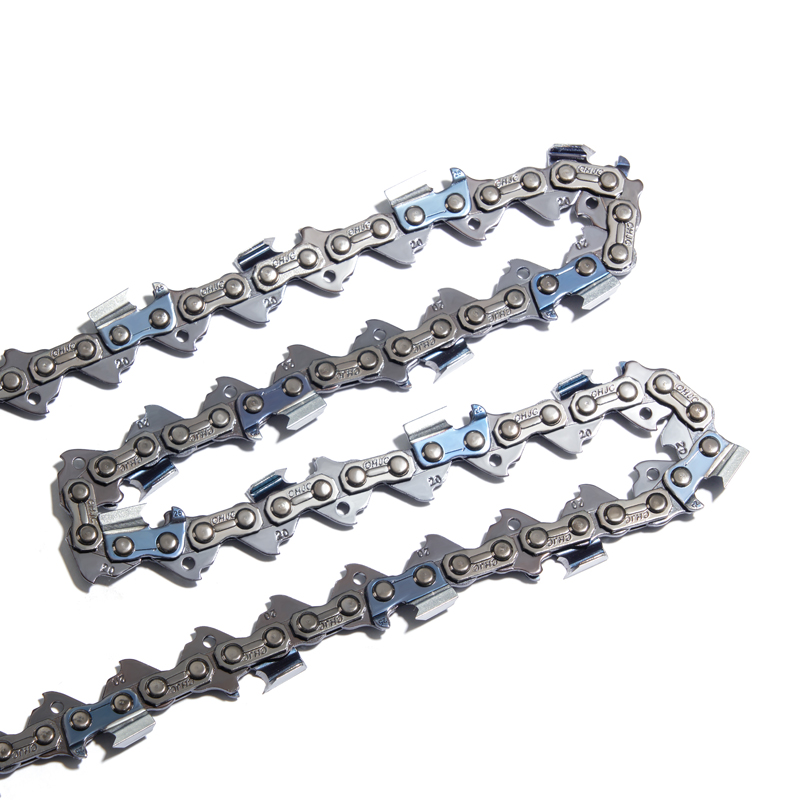
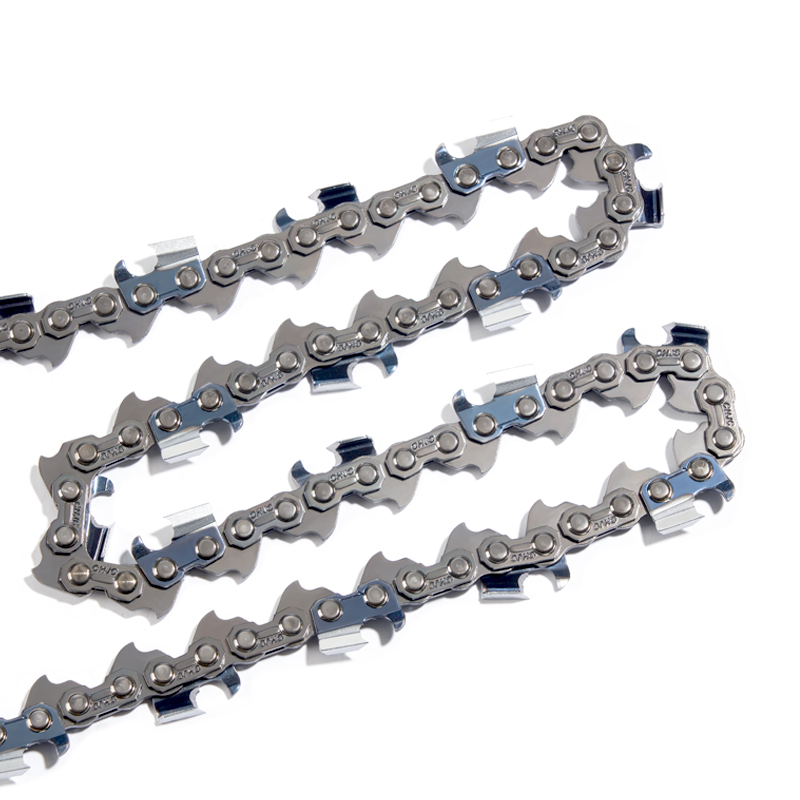
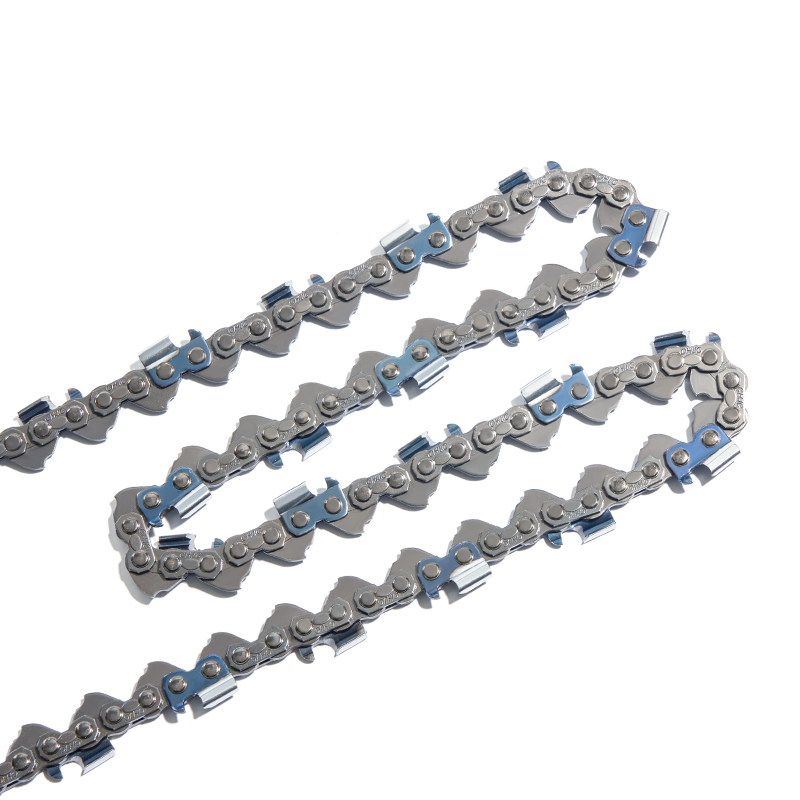
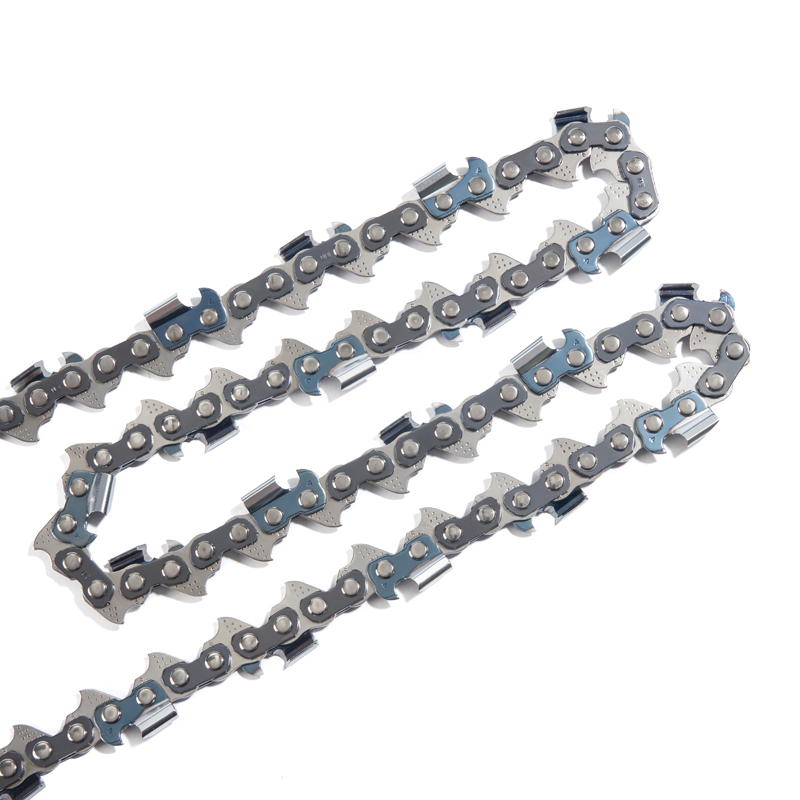
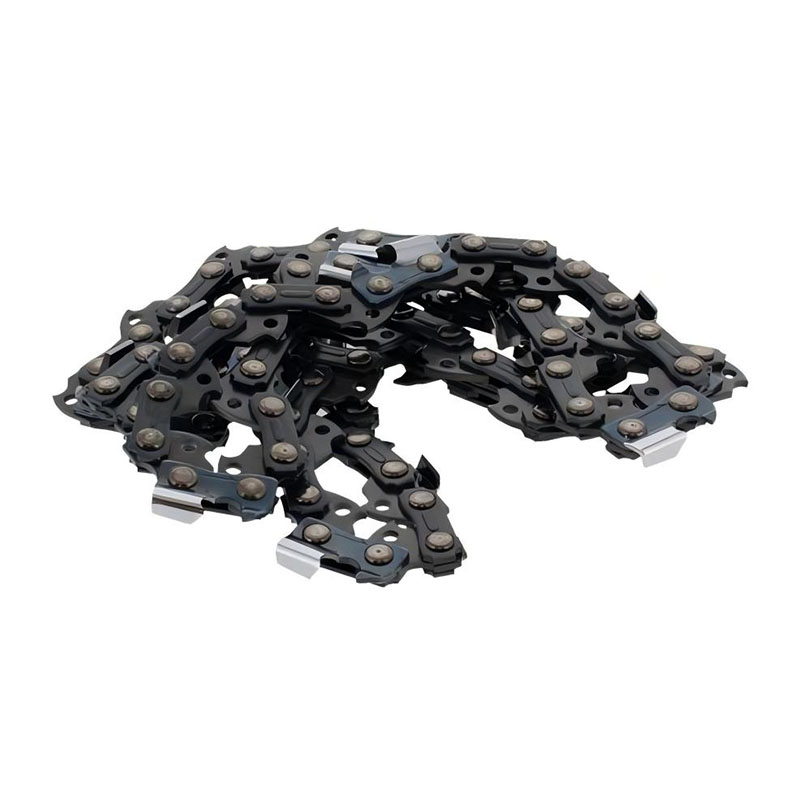
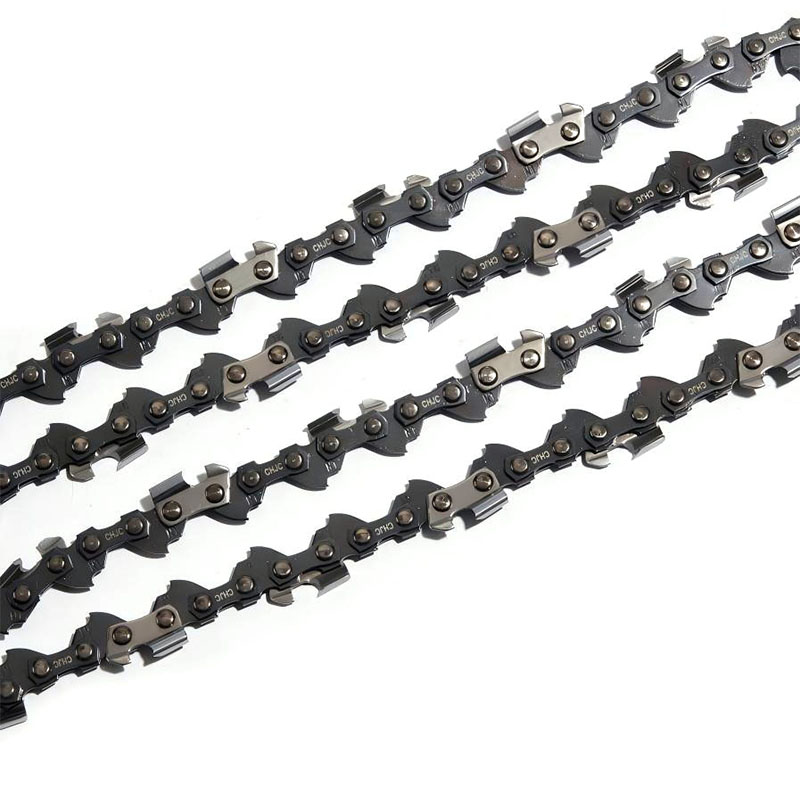
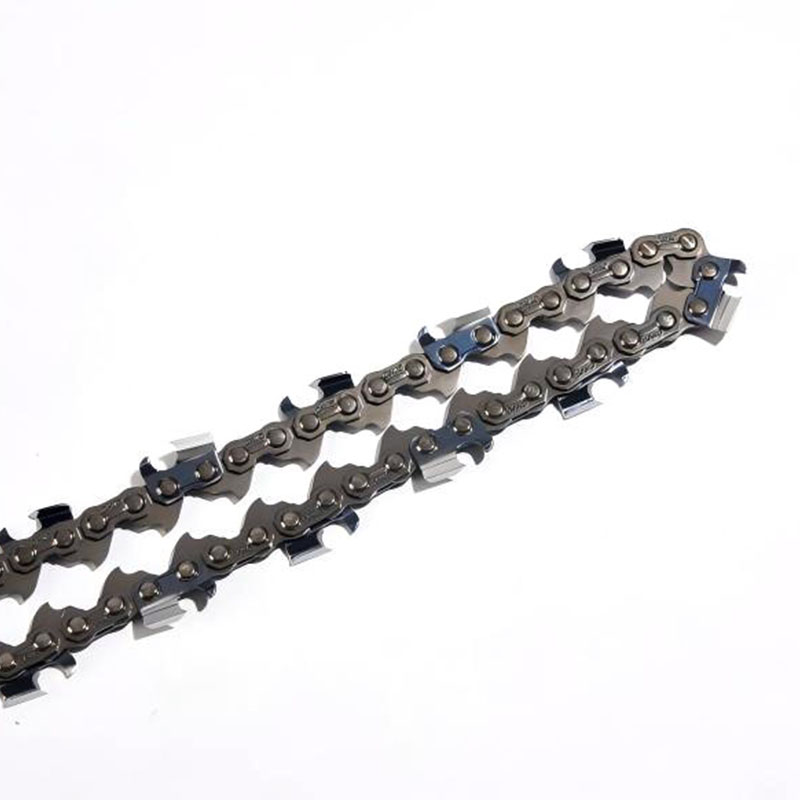
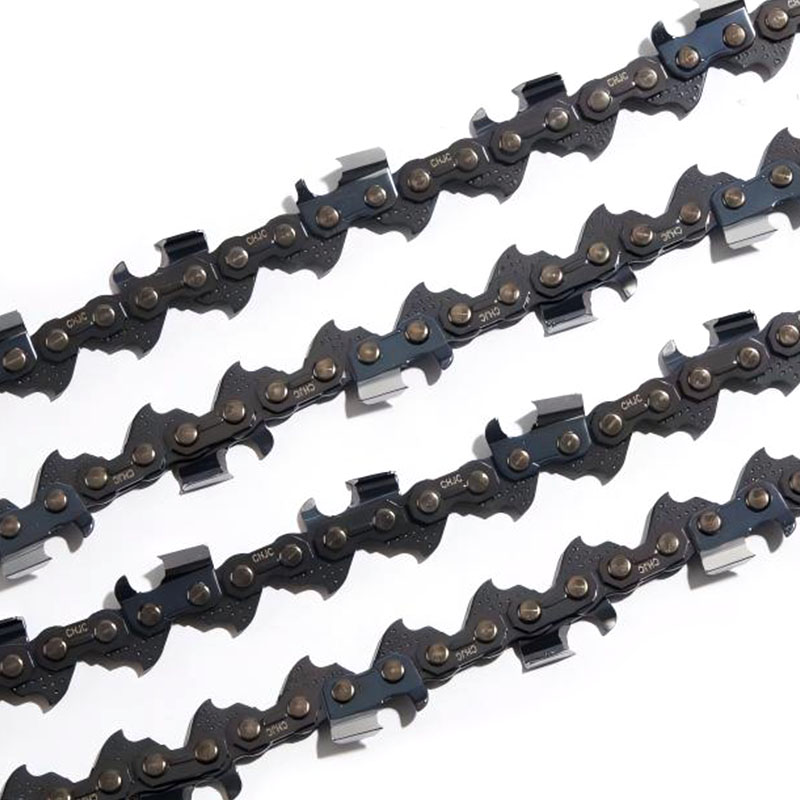
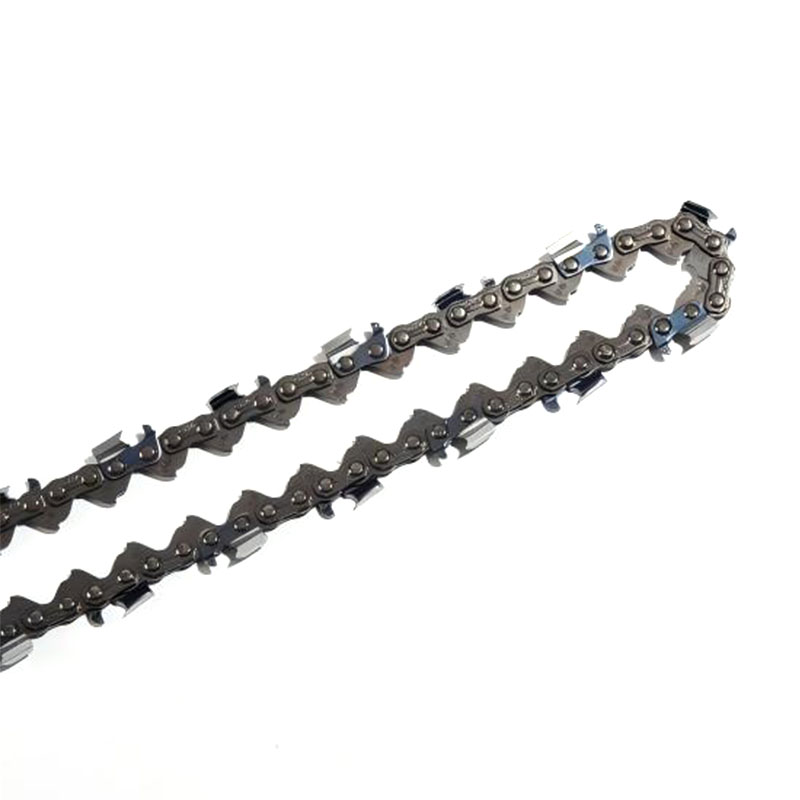
For high-volume industrial log cutting, the .404" pitch saw chain is the industry standard—engineered to handle large-diameter timber with the power, durability, and cutting speed that professional harvesting operations demand. Unlike smaller-pitch chains used in light-duty or homeowner chainsaws, the .404" pitch is purpose-built for heavy machinery: harvesters, processor heads, and high-horsepower professional chainsaws operating in demanding forestry environments.
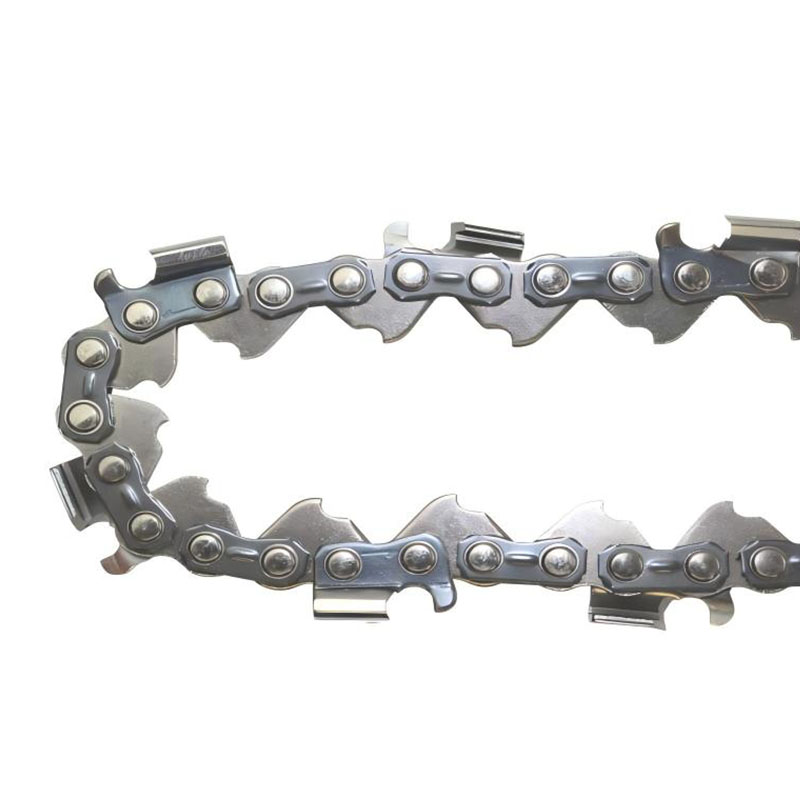
The term "pitch" refers to the distance between every other drive link rivet, divided by two. A .404" pitch means each link spacing measures approximately 10.26 mm—larger than the common 3/8" (.375") pitch chains. This greater spacing allows the chain to carry more aggressive cutters, withstand higher torque loads, and maintain stability during the sustained cuts required in industrial log processing.
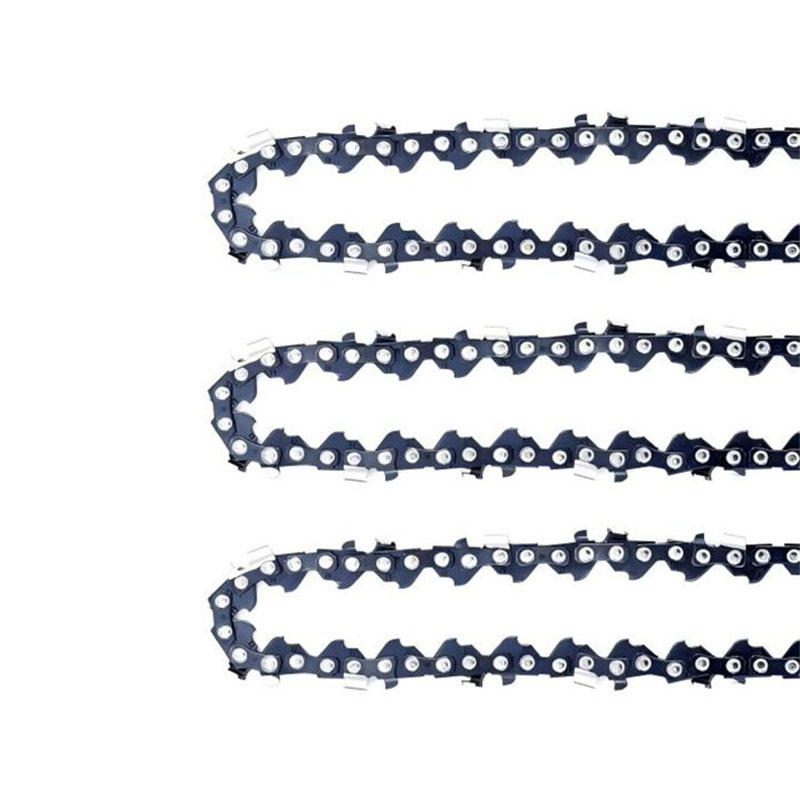
Manufacturers such as Hengjiu Chain (mysawchain.com) specialize in producing .404" saw chains in two primary configurations: a .404" .063" saw chain for professional chainsaw use and a .404" .080" harvester chain designed specifically for mechanical harvesting equipment. Selecting the right type depends entirely on your machinery and the timber species being processed.
Key Specifications of the .404" Pitch Saw Chain
Understanding the technical specifications of a .404" pitch saw chain is essential for procurement teams, forestry equipment operators, and OEM buyers. The table below summarizes the two main .404" product variants available from professional-grade manufacturers:
| Specification | .404" .063" Saw Chain | .404" .080" Harvester Chain |
|---|---|---|
| Pitch | .404" (10.26 mm) | .404" (10.26 mm) |
| Gauge (Drive Link Thickness) | .063" (1.6 mm) | .080" (2.0 mm) |
| Primary Application | Professional chainsaw (manual) | Mechanical harvester heads |
| Cutter Type | Semi-Chisel / Full Chisel | Semi-Chisel |
| Typical Log Diameter Range | 30–80 cm | 40–120 cm |
| Bar Compatibility | Standard .404" guide bars | Harvester-grade .404" bars |
The .080" gauge harvester chain is significantly thicker and more resistant to lateral stress—critical when a harvester head is processing multiple stems per minute under continuous hydraulic pressure. The .063" variant, while still heavy-duty by any standard, is suited to high-power professional saws working larger trees where guide bar reach and manual handling are factors.
Why the .404" Pitch Is the Preferred Choice for Industrial Log Cutting
Industrial log processing—whether in timber harvesting, sawmill feeding, or land-clearing operations—places extreme demands on cutting chains. The .404" pitch saw chain addresses these demands in several ways that smaller-pitch alternatives cannot:
Higher Torque Capacity
The wider pitch distributes cutting forces across a larger arc, reducing the stress concentration at each individual drive link. This makes the chain far less susceptible to fatigue fracture and stretching under sustained load—a critical factor when cutting dense hardwoods such as oak, beech, or tropical species with diameters exceeding 60 cm.
Faster Material Removal Rate
A .404" chain carries larger cutters that remove more wood fiber per pass. In high-cycle harvesting operations where a single machine may process hundreds of stems per day, cutting speed directly impacts operational throughput and overall cost per cubic meter of timber. The .404" pitch is optimized for this environment.
Extended Service Life in Abrasive Conditions
Industrial log sites often involve dirty, grit-laden, or frozen timber. The heavier construction of the .404" chain—particularly in .080" gauge versions—provides greater resistance to abrasive wear. Professional-grade chains from established manufacturers use high-alloy steel with precision heat treatment to maximize cutter edge retention between sharpenings.
Compatibility with High-Power Harvesting Equipment
Modern harvester heads operate at engine outputs of 130 kW and above. The .404" pitch is engineered to accept and transmit this power level efficiently without the chain skipping, vibrating excessively, or overheating the guide bar sprocket nose. Attempting to use a narrower-pitch chain on this class of equipment would result in rapid chain failure and potential bar damage.
Cutter Geometry Options: Full Chisel vs. Semi-Chisel for Log Applications
The choice of cutter geometry significantly affects both cutting performance and maintenance intervals in industrial log processing. Two profiles dominate .404" applications:
- Full Chisel Cutters: Square-cornered teeth that provide the fastest cutting speed in clean, non-abrasive timber. Ideal for fresh-cut logs processed in controlled environments (sawmill intake, controlled felling). The sharper corners wear faster in dirty or frozen conditions, requiring more frequent sharpening.
- Semi-Chisel Cutters: Rounded corner geometry that sacrifices some cutting speed for significantly improved abrasion resistance. The preferred choice for sites where logs arrive with bark, soil inclusions, or surface grit—common in land-clearing and pulpwood operations.
For most industrial log cutting applications processing clean hardwood or softwood, full chisel cutters on a .404" .080" harvester chain deliver the best balance of speed and throughput. Sites dealing with high contamination should specify semi-chisel geometry to reduce maintenance downtime.
Sourcing .404" Pitch Saw Chains: What to Look for in a Manufacturer
For procurement managers sourcing industrial quantities of .404" pitch saw chain, manufacturer capability and quality consistency are non-negotiable. Key criteria to evaluate include:
Material Certification and Heat Treatment Standards
Drive links, cutters, and tie straps in a .404" chain must be manufactured from low-alloy carbon steel with controlled heat treatment (typically case-hardening to a surface hardness of HRC 58–62 for cutters, with a tougher core). Request material certificates and ask whether the manufacturer operates ISO-certified quality management systems.
Dimensional Precision and Interchangeability
Industrial chain must be dimensionally consistent to ensure compatibility with guide bars and sprockets from different equipment manufacturers. Pitch tolerance, gauge tolerance, and rivet hole positioning should all be held to tight tolerances—typically ±0.05 mm for critical dimensions—to prevent premature wear on bar rails and sprocket teeth.
Custom Configuration Support
Large-scale operations may require chains in custom drive-link counts, specific cutter configurations, or special packaging. Manufacturers with in-house R&D and flexible production lines—like Hengjiu Chain—are equipped to supply OEM and custom specifications at scale, which is essential for fleet operators maintaining standardized maintenance inventories.
Consistent Supply Chain and Lead Times
Industrial logging operations cannot tolerate extended chain stockouts. When evaluating a supplier, confirm production capacity, stock availability for the specific .404" variant required, and typical order-to-ship lead times. A reliable manufacturing partner with sufficient production scale can guarantee supply continuity even during peak seasonal demand.
Maintenance Best Practices to Maximize .404" Chain Service Life
Even the highest-quality .404" pitch saw chain will underperform if maintenance protocols are neglected. The following practices are standard in well-managed industrial log operations:
- Sharpen at the correct file diameter. Full chisel cutters on .404" chains typically require a 7/32" (5.5 mm) round file. Using the wrong diameter creates an incorrect hook angle and reduces cutting efficiency immediately after sharpening.
- Maintain depth gauge (raker) height. As cutters are sharpened back, depth gauges must be filed down proportionally—typically to a height of 0.025" (0.6 mm) below the cutter tooth. Failure to do this causes the chain to skate over wood rather than bite in.
- Check and adjust chain tension every fueling cycle. A .404" chain operating under industrial harvester conditions stretches faster than lighter chains. Running too loose causes bar groove wear and increases kickback risk; running too tight causes overheating and bearing failure at the sprocket nose.
- Ensure adequate bar oil flow. The .404" .080" harvester chain generates significant friction across extended bar lengths (often 45–75 cm). Oil flow rates should be set to fully wet the bar rail and chain throughout the cutting cycle. Insufficient lubrication is the single most common cause of premature chain and bar failure in harvesting applications.
- Rotate chains in sets. Running chains in matched sets—rotating between bar and spare at each sharpening—distributes wear evenly and maximizes the service life of both the chain and the guide bar.
Applications Beyond Timber Harvesting: Other Industrial Log Uses
While .404" pitch saw chain is most commonly associated with large-scale timber harvesting, its performance characteristics make it the preferred specification in several adjacent industrial log applications:
- Sawmill log deck processing: Trimming logs to length before primary breakdown saws. High-cycle duty requires chains with both speed and durability.
- Urban tree removal and land clearing: Large commercial tree removal operations encounter logs up to 1 m in diameter. The .404" chain handles these diameters more efficiently than any smaller pitch.
- Firewood processing equipment: Industrial firewood processors designed for commercial output—producing 10+ cubic meters per hour—use .404" harvester-spec chains to sustain cutting rates that 3/8" pitch chains cannot maintain.
- Disaster response and storm cleanup: Government and utility contractors deploying high-powered saws to clear storm-downed timber rely on .404" chains for their reliability in unpredictable, high-debris conditions.
- Portable sawmill operations: Chainsaw mills processing large-diameter logs for dimensional lumber or live-edge slabs benefit from the .404" chain's ability to sustain ripping cuts through long, dense timber sections.
Comparing .404" Pitch to Other Common Chainsaw Pitches
Choosing the correct pitch for the application is fundamental. The following comparison clarifies where .404" fits within the broader saw chain range:
| Pitch | Typical Power Class | Typical Use Case | Log Diameter Range |
|---|---|---|---|
| 1/4" (0.25") | Very low | Arborist pruning, carving | Up to 10 cm |
| 3/8" LP (Low Profile) | Low–medium | Homeowner, light-duty | Up to 25 cm |
| .325" | Medium | Semi-professional felling | 20–45 cm |
| 3/8" (Full) | Medium–high | Professional felling, bucking | 30–70 cm |
| .404" | High–professional | Professional log processing, harvesting | 40–120 cm+ |
The table makes clear that .404" pitch is the only rational choice for true professional log processing applications. Using a lower pitch on high-power equipment leads to accelerated chain wear, reduced performance, and increased risk of chain failure during operation.