English
 中文简体
中文简体
 русский

Content
- 1 What Determines the Strength of a 1/4'' Saw Chain?
- 2 Key Specifications of a 1/4'' Saw Chain
- 3 How Strong Is a 1/4'' Saw Chain Compared to Larger Pitches?
- 4 The Role of the Semi-Chisel Cutter in 1/4'' Chain Performance
- 5 Chain Sequence Options and Their Effect on Strength and Cutting Behavior
- 6 How to Verify Compatibility Before Installing a 1/4'' Saw Chain
- 7 Maintenance Practices That Preserve 1/4'' Chain Strength
- 8 Summary: Is a 1/4'' Saw Chain Strong Enough for Your Application?
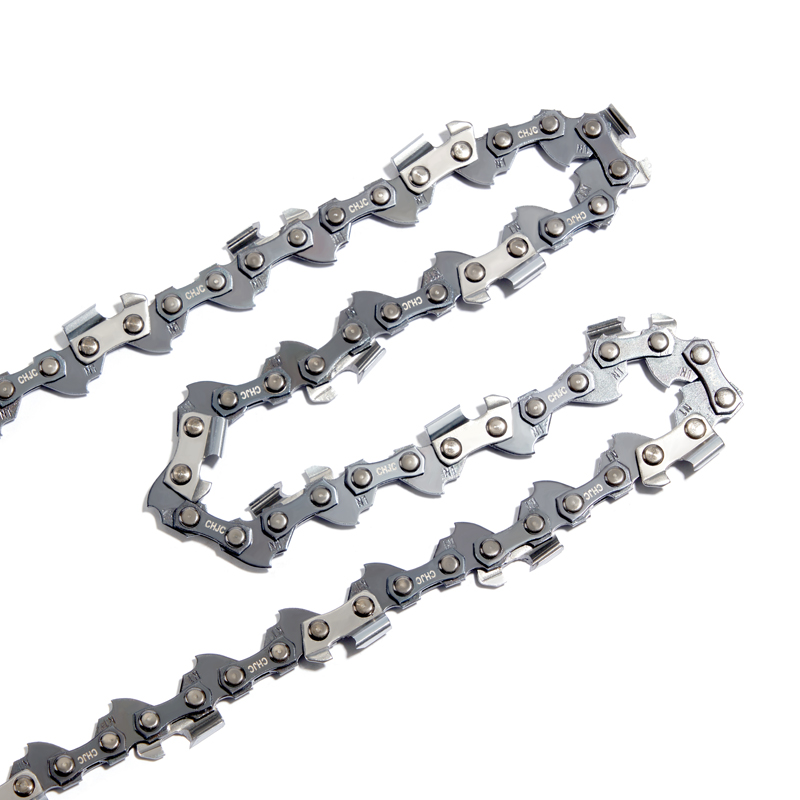
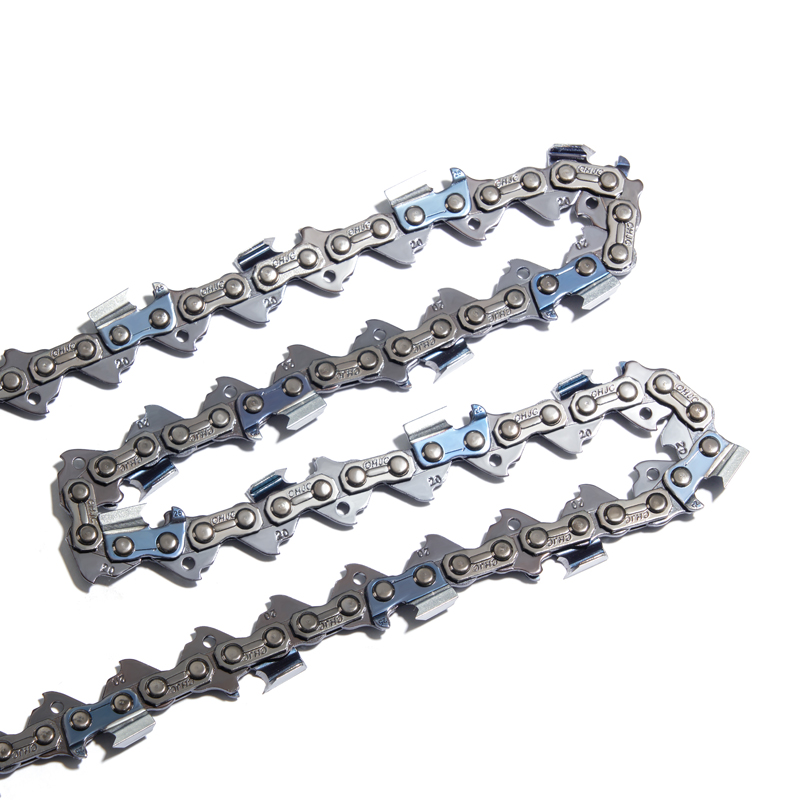
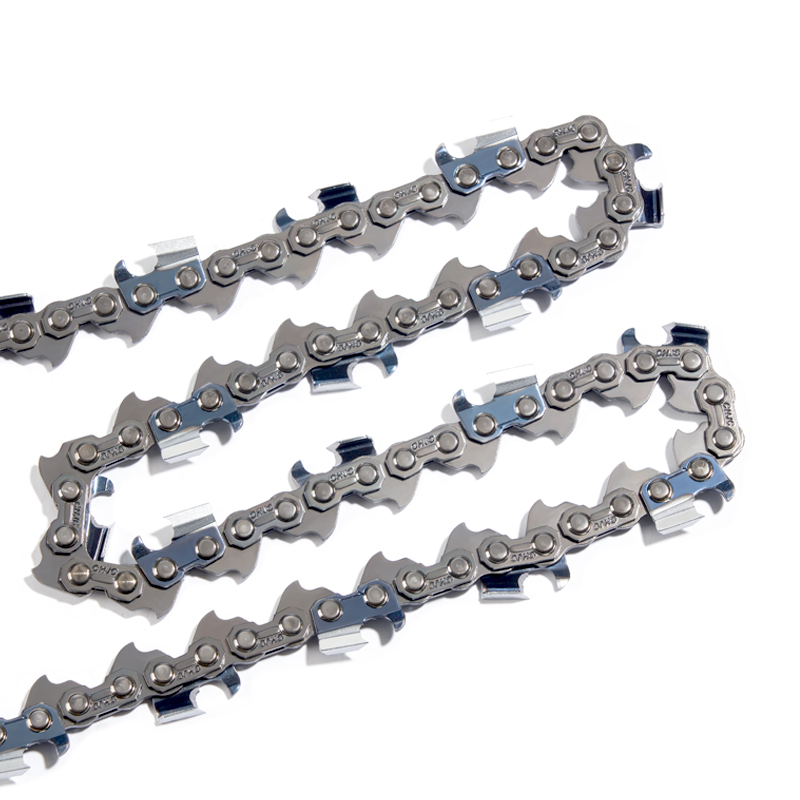
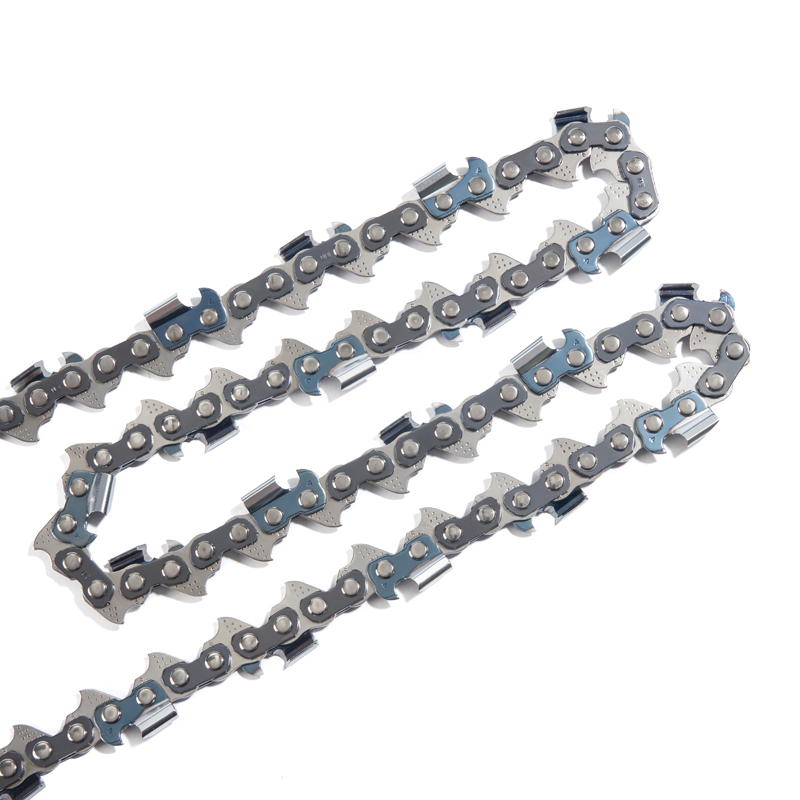
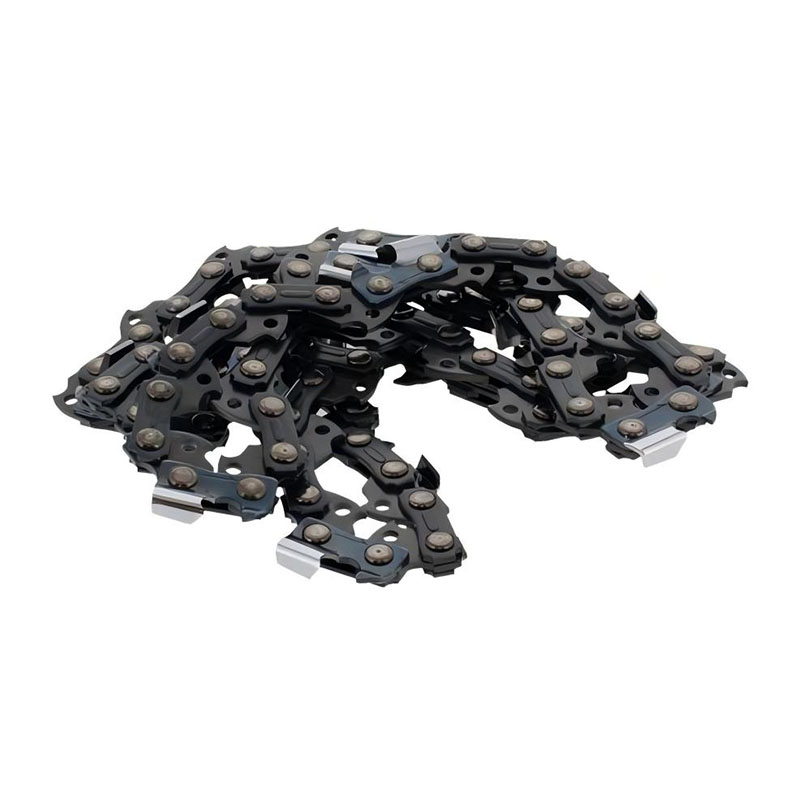
A 1/4'' saw chain is purpose-built for strength within its intended application — lightweight pruning saws, top-handle chainsaws, and compact wood-cutting tools with guide bars ranging from 6 to 12 inches. Its tensile strength is determined primarily by the steel alloy used in manufacturing and the precision of the heat-treatment process. Chains produced from 68CrNiMo3 alloy steel — a chromium-nickel-molybdenum grade widely used in professional-grade saw chains — deliver a hardness level between 58 and 62 HRC on the cutter and 38 to 42 HRC on the drive link body, giving each loop the right combination of edge retention and impact resistance. For the cutting tasks a 1/4'' chain is designed to handle, this level of strength is entirely sufficient, and understanding where that strength comes from helps users select the right chain, maintain it correctly, and get the longest possible service life from every loop.
The sections below examine the structural characteristics of a 1/4'' saw chain, how its specifications relate to real-world cutting performance, how it compares to larger pitch chains, and what maintenance practices preserve its strength over time.
What Determines the Strength of a 1/4'' Saw Chain?
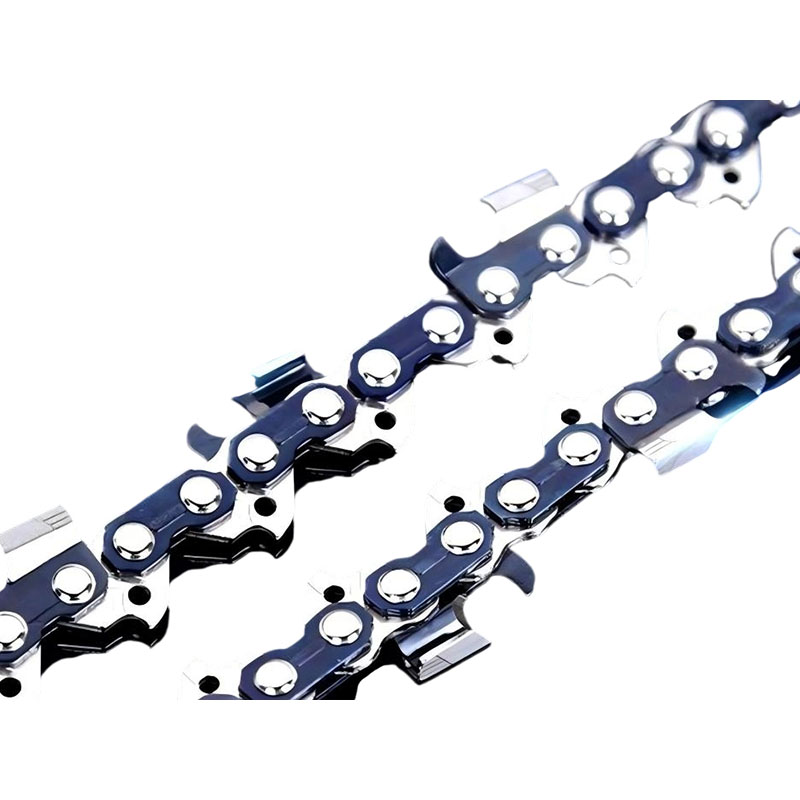
The strength of any saw chain — including a 1/4'' saw chain — comes from three interrelated factors: the alloy composition of the steel, the heat treatment applied during manufacturing, and the dimensional precision of the rivets, drive links, and cutters.
Steel alloy: High-quality 1/4'' chains are manufactured from 68CrNiMo3, a low-alloy steel that combines chromium for wear resistance, nickel for toughness, and molybdenum for hardenability. This alloy is also used in larger-pitch chains (.325'', 3/8'', .404''), which means the raw material strength of a well-made 1/4'' chain is comparable to its larger counterparts on a per-link basis. The chain is not weaker simply because it is smaller — it is proportionally sized for its intended power range.
Heat treatment: Cutters require a higher surface hardness to hold a sharp edge, while drive links and tie straps need a lower, tougher core hardness to absorb vibration and resist fatigue cracking. Precision-manufactured chains apply differential heat treatment to achieve both properties in the same loop. A cutter that is too soft dulls within a few cuts; one that is too hard becomes brittle and chips. The target range of 58–62 HRC for the cutter surface balances these demands effectively.
Dimensional precision: Rivet diameter and fit tolerances directly affect how load is distributed across the chain during cutting. Loose rivets allow micro-movement under stress, accelerating wear at every pivot point. Tight, well-pressed rivets transfer cutting forces evenly and maintain chain geometry for a longer service life. This is why chain quality can vary significantly even among products with identical pitch and gauge markings.
Key Specifications of a 1/4'' Saw Chain
Understanding the dimensional specifications of a 1/4'' saw chain clarifies both its capabilities and its compatibility requirements. The pitch (1/4'', or 0.250'') describes the average spacing between any three consecutive rivets divided by two — the smallest standard pitch in common chainsaw use. This compact geometry produces a high cutter density per inch of chain, which translates into smooth, fine cuts with minimal kickback risk.
| Specification | 1/4'' .043'' Chain | 1/4'' .050'' Chain | 1/4''LP .043'' Chain |
|---|---|---|---|
| Pitch | 1/4'' | 1/4'' | 1/4'' LP |
| Gauge | .043'' / 1.1 mm | .050'' / 1.3 mm | .043'' / 1.1 mm |
| Material | 68CrNiMo3 | 68CrNiMo3 | 68CrNiMo3 |
| Cutter Type | Semi-chisel | Semi-chisel | Semi-chisel |
| Common Drive Links | 32 / 56 / 60 / 64 / 72 | 32 / 56 / 60 / 64 / 72 | 32 / 56 / 60 / 64 / 72 |
| Typical Bar Length | 6'' – 12'' | 6'' – 12'' | 6'' – 12'' |
The gauge (.043'' or .050'') describes the thickness of the drive link that seats inside the guide bar groove. A wider gauge drive link fills the bar groove more completely, which reduces side-play and improves cutting stability. However, the guide bar and sprocket must match the gauge exactly — a drive link that is too wide will bind in the groove, and one that is too narrow will allow the chain to rock laterally under load, accelerating bar groove wear.
How Strong Is a 1/4'' Saw Chain Compared to Larger Pitches?
A common question from buyers evaluating saw chain options is whether a 1/4'' saw chain is "weaker" than a .325'' or 3/8'' chain. The answer depends entirely on what type of strength is being measured.
In terms of tensile strength per link, a 1/4'' chain made from 68CrNiMo3 is structurally sound for the loads generated by saws in the 25cc to 35cc category. The chain is not engineered to handle the torque output of a 60cc or 80cc engine — nor does it need to be. Matching the chain to the engine class is the principle that governs strength requirements, not the pitch number alone.
In terms of kickback resistance, the 1/4'' pitch chain is one of the safest options available. The smaller, more closely spaced cutters engage wood fiber progressively rather than aggressively, which significantly reduces the rotational force that causes kickback. This is a critical advantage for top-handle saws used in elevated pruning positions where operator control is more challenging.
In terms of cutting force, larger pitch chains with bigger cutters do remove more material per revolution of the bar, which is why they are paired with more powerful engines. A 1/4'' chain is not the right choice for felling 30-centimeter hardwood logs. It is, however, the right choice for limbing, pruning branches up to 10–15 centimeters in diameter, and cutting tasks where precision and control matter more than raw material removal rate.
| Chain Pitch | Engine Range | Kickback Risk | Best Application |
|---|---|---|---|
| 1/4'' | 25–35 cc | Low | Pruning, limbing, precision cuts |
| .325'' | 40–60 cc | Medium | Firewood, limbing, medium felling |
| 3/8'' | 55 cc and above | Medium–High | Large-diameter felling, milling |
| .404'' | 70 cc and above | High | Harvesting, heavy industrial cutting |
The Role of the Semi-Chisel Cutter in 1/4'' Chain Performance
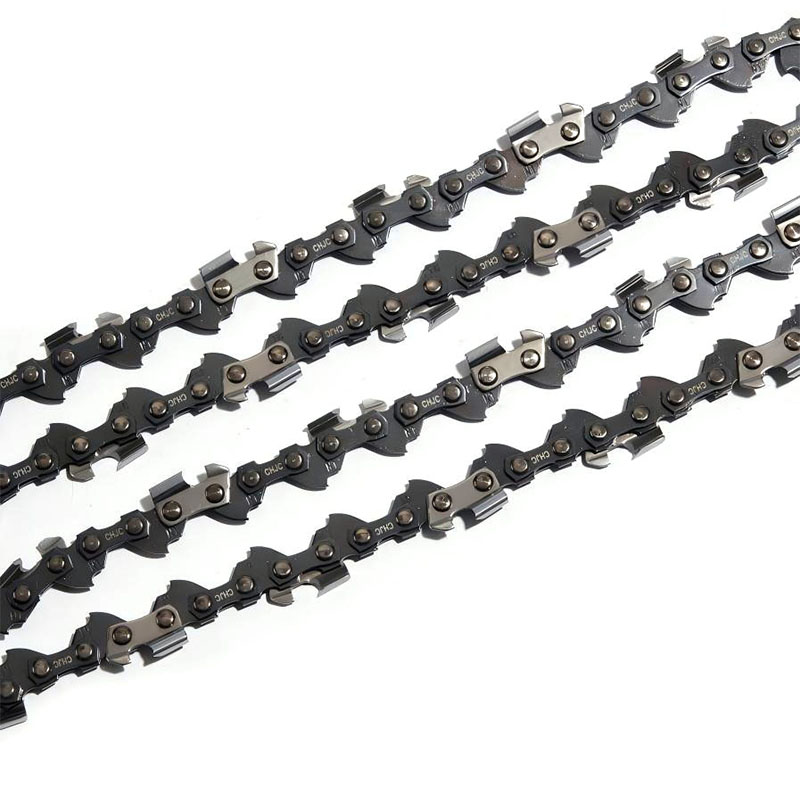
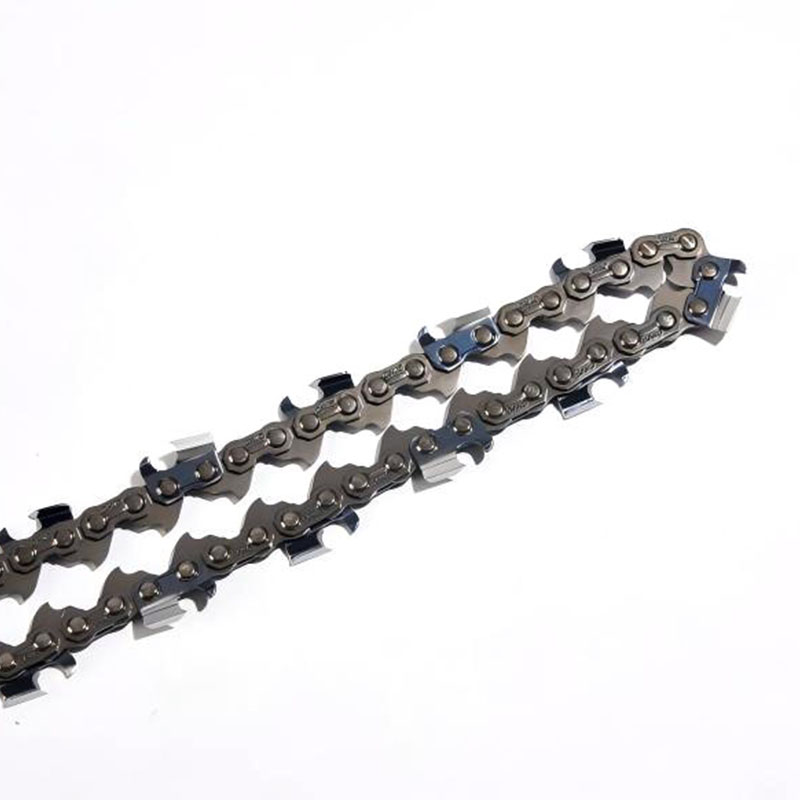
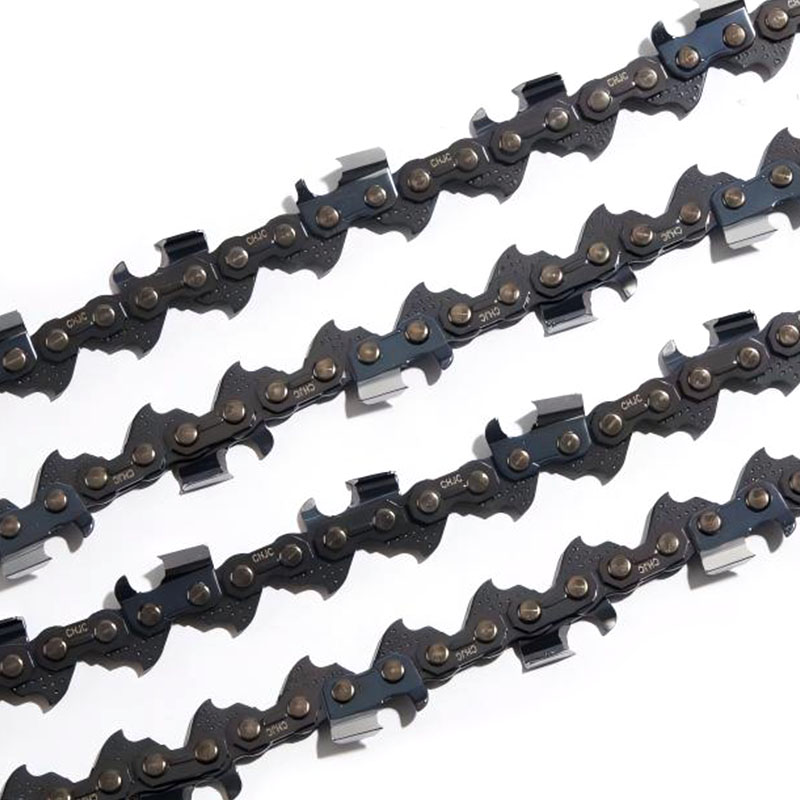
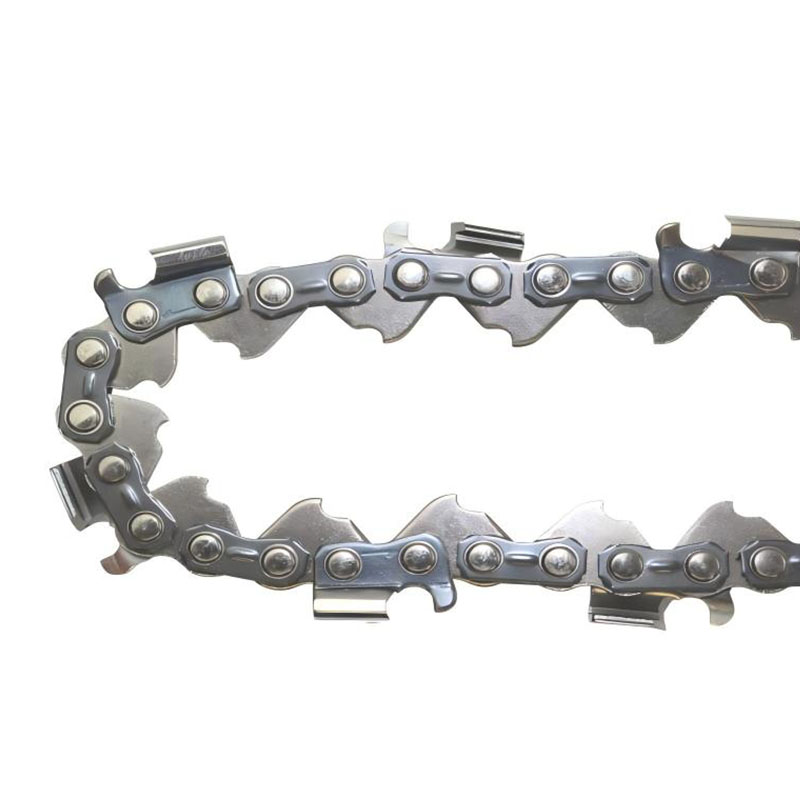
The 1/4'' saw chain is typically configured with semi-chisel cutters — a rounded-corner cutter geometry that offers a practical balance of cutting performance and edge retention. This is not a design limitation; it is a deliberate engineering choice suited to the applications where 1/4'' chains are most commonly used.
Semi-chisel cutters are more forgiving than full-chisel cutters when cutting dirty wood, branches with bark contamination, or hardwood species. The rounded working corner retains its cutting geometry longer when it encounters soil particles or abrasive debris — a common situation in pruning and landscaping work where branches are often covered in lichen, moss, or adhered soil. Users who cut a mix of clean and dirty wood will find a semi-chisel 1/4'' chain stays sharp significantly longer between sharpening sessions.
For sharpening, the 1/4'' chain uses a 5/32'' (4.0 mm) round file — smaller than the files used for .325'' or 3/8'' chains. This smaller file size reflects the smaller cutter geometry and must be matched correctly; using a larger file will alter the cutter profile and degrade cutting performance.
Chain Sequence Options and Their Effect on Strength and Cutting Behavior
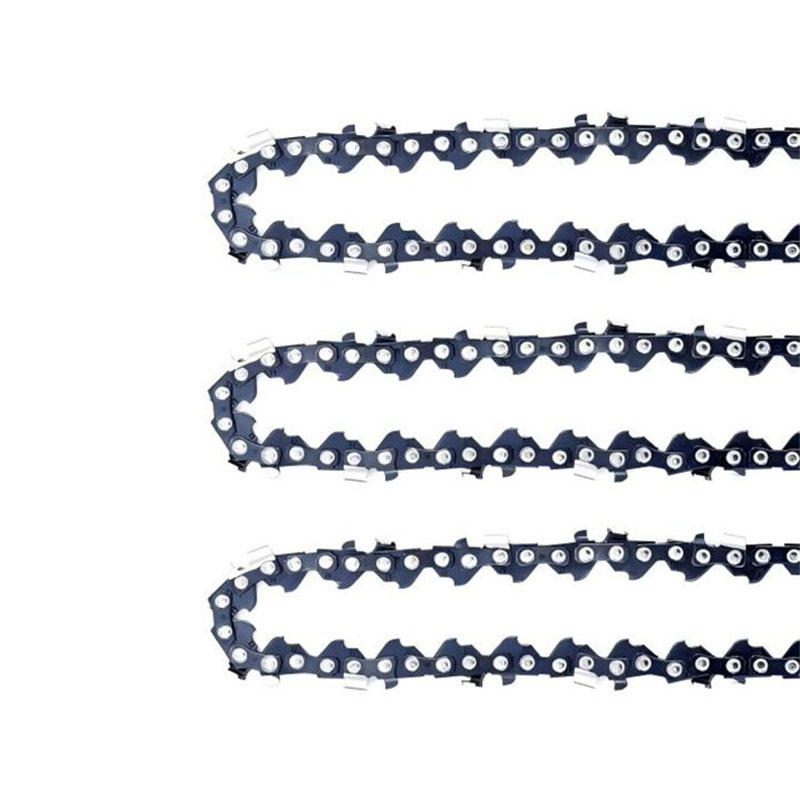
The 1/4'' saw chain is available in three cutter sequence arrangements: standard, semi-skip, and skip. Each sequence distributes cutters differently along the chain loop, which affects cutting efficiency, chip clearance, and the effective load on each individual cutter.
- Standard sequence: Cutters are arranged in the maximum density configuration. This delivers the smoothest finish and is best suited to short bars and precision work where surface quality matters.
- Semi-skip sequence: Every other cutter pair is omitted, reducing the number of active cutters and improving chip clearance between passes. This sequence reduces engine load and is useful for operators using longer bars or cutting green wood where chip buildup in the kerf is a common problem.
- Skip sequence: Fewer cutters with maximum spacing between them. Chip flow is maximized, engine power demand is lowest, and the chain is easier to sharpen because there are fewer cutters to file. Best for cutting soft wood on longer bars.
From a strength perspective, reducing cutter density (moving from standard to skip) concentrates cutting load on fewer cutters per revolution, which means each individual cutter experiences more stress per pass. On a well-maintained chain used within its design parameters, this is not a concern — but it reinforces the importance of keeping any 1/4'' saw chain sharp. A dull skip-sequence chain working on a small bar will overheat individual cutters faster than a sharp standard-sequence chain in the same application.
How to Verify Compatibility Before Installing a 1/4'' Saw Chain
Installing a 1/4'' saw chain on an incompatible bar or sprocket does not just reduce performance — it concentrates stress at incorrect load points and can cause premature chain failure or bar damage. Three parameters must match before installation:
- Pitch compatibility: The drive sprocket inside the saw must be a 1/4'' sprocket. A 1/4'' chain will not fit a .325'' or 3/8'' sprocket — the link spacing will not align, and attempting to run the combination will damage the sprocket teeth immediately.
- Gauge compatibility: The drive link thickness (.043'' or .050'') must match the groove width of the guide bar. This is stamped on the bar near the mounting tail. Too narrow and the chain rocks in the groove; too wide and the chain will not seat.
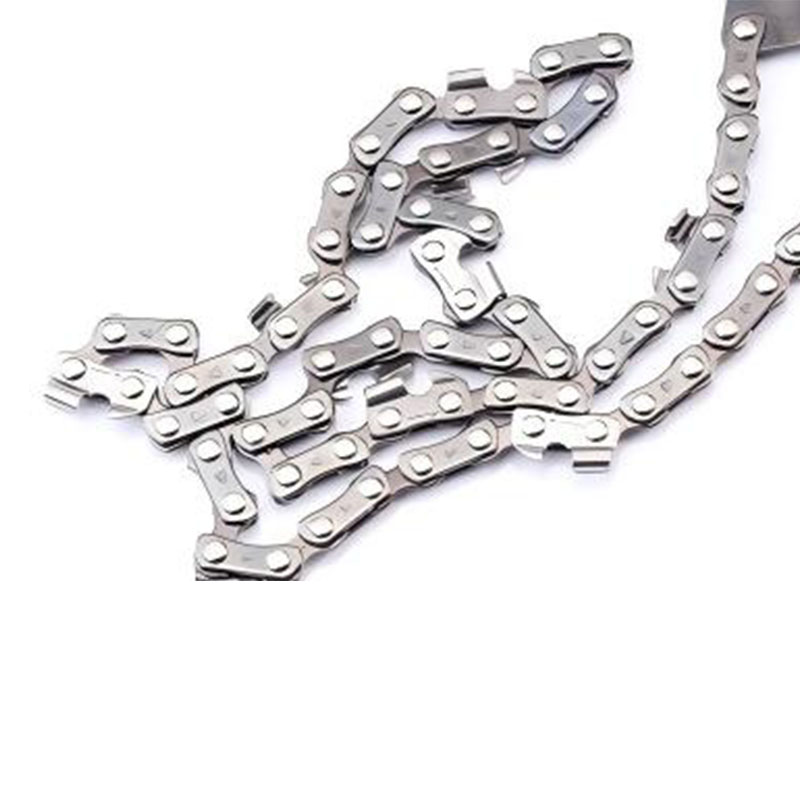
- Drive link count: This determines the chain length. Count the drive links on the old chain or read the drive link number from the bar stamp. Common counts for 1/4'' chains include 32, 56, 60, 64, and 72 drive links depending on bar length.
With decades of expertise in chain drive manufacturing and production processes refined across multiple chain categories, professional-grade 1/4'' saw chains built to tight tolerances will perform consistently across all compatible tool platforms — from compact battery-powered pruning saws to petrol-driven top-handle models used in arboriculture.
Maintenance Practices That Preserve 1/4'' Chain Strength
A 1/4'' saw chain maintained correctly can deliver consistent performance across many hours of use. The following practices have the most impact on preserving chain integrity and extending service intervals.
Sharpen before the chain becomes visibly dull
A dull chain does not simply cut more slowly — it generates more heat at the cutter tip, which can soften the heat-treated surface layer and permanently reduce hardness. For 1/4'' chains used in pruning and limbing, sharpen every 1 to 2 hours of active cutting using a 5/32'' (4.0 mm) round file. Always file at the angle indicated by the top-plate indicator line on the cutter.
Maintain correct chain tension throughout the cutting session
A new 1/4'' saw chain stretches during its first 15 minutes of cutting as the rivets and links seat under load. Stop after the first cutting session, allow the chain to cool, and re-tension. Going forward, a correctly tensioned chain should be liftable approximately 1/8 inch from the bar at its midpoint and return into the groove when released. A sagging chain can derail during cutting; an over-tensioned chain stretches permanently and loses the rivet clearance that allows smooth articulation around the bar tip.
Lubricate consistently and use the right oil viscosity
Bar and chain oil reduces friction between the drive links and the guide bar groove. Running a 1/4'' saw chain dry for even a few minutes generates enough heat to micro-crack the drive links and accelerate bar groove wear beyond practical repair limits. Use only purpose-formulated bar and chain oil and verify that the oil port in the guide bar is clean and unobstructed before each use. In cold operating conditions (below 5°C), run the saw at low speed for approximately two minutes before cutting to allow oil to reach operating viscosity and distribute evenly across the bar surface.
Avoid contact with rocks, metal, and concrete
The heat-treated cutter surface of a 1/4'' saw chain is hard enough to cut wood efficiently but not hard enough to withstand contact with rocks, embedded nails, wire, or concrete. A single contact with stone can chip or notch one or more cutters, creating an uneven cutting profile that causes the bar to wander in the cut and puts lateral stress on the drive links. Inspect branches for embedded metal before cutting whenever working with reclaimed wood or urban trees.
Summary: Is a 1/4'' Saw Chain Strong Enough for Your Application?
A well-manufactured 1/4'' saw chain made from 68CrNiMo3 alloy steel with a cutter hardness of 58–62 HRC is fully adequate for every task within its design envelope: pruning, limbing, precision cuts on small-diameter wood, and extended use on compact top-handle and battery-powered saws with guide bars up to 12 inches. Its strength is not measured against larger chains that serve different engine classes and different applications — it is measured against the cutting demands placed on it by the tools and tasks it was designed for, and by that measure it performs reliably.
The key to maximizing that strength over the chain's service life is straightforward: match all three compatibility specifications (pitch, gauge, drive link count) before installation, keep the chain sharp with the correct 5/32'' file, maintain proper tension, and ensure consistent lubrication. A 1/4'' saw chain that is correctly specified, properly installed, and consistently maintained will deliver clean, controlled cuts throughout its service life — and that is the practical definition of a strong chain.