English
 中文简体
中文简体
 русский

Content
- 1 What .325'' Pitch Actually Means and Why It Matters
- 2 The Four Specifications You Must Verify Before Buying
- 3 .325'' Pitch Chain Reference Table by Bar Length and Gauge
- 4 Choosing the Right Cutter Type for Your Application
- 5 .325'' Pitch vs. 3/8'' Pitch: Which One Fits Your Saw?
- 6 How to Read Your Chainsaw's Specifications
- 7 Common Mistakes to Avoid When Buying .325'' Chains
- 8 Maintenance Tips That Extend the Life of Any .325'' Chain
- 9 Final Buying Checklist for .325'' Pitch Saw Chains
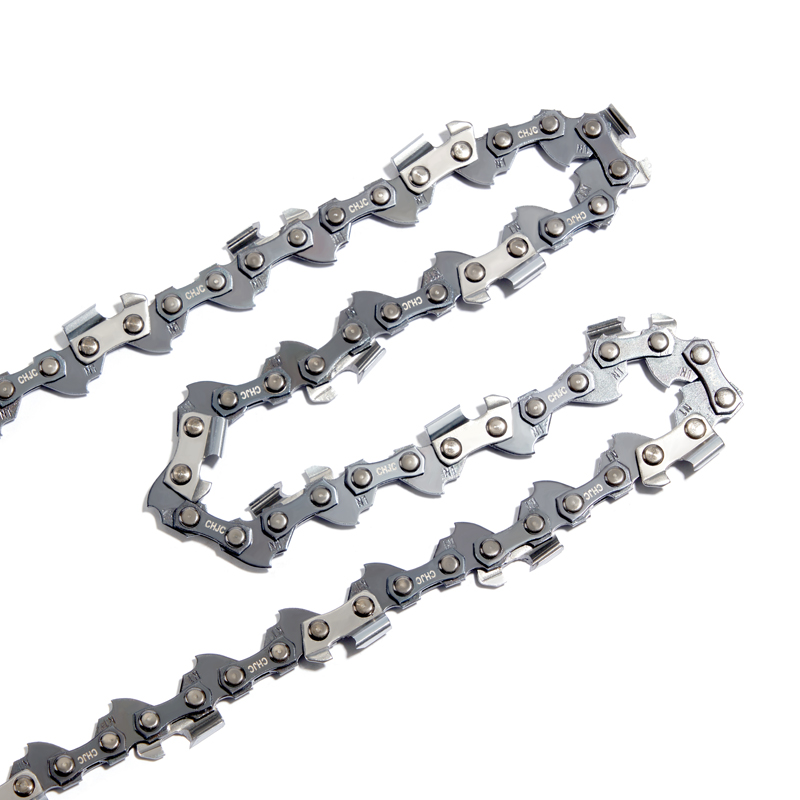
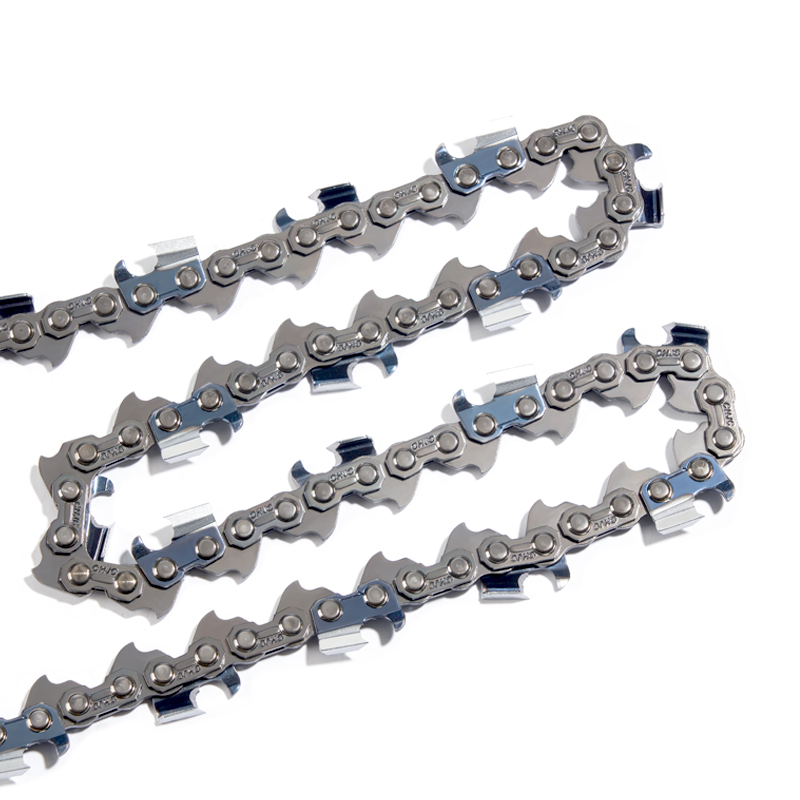
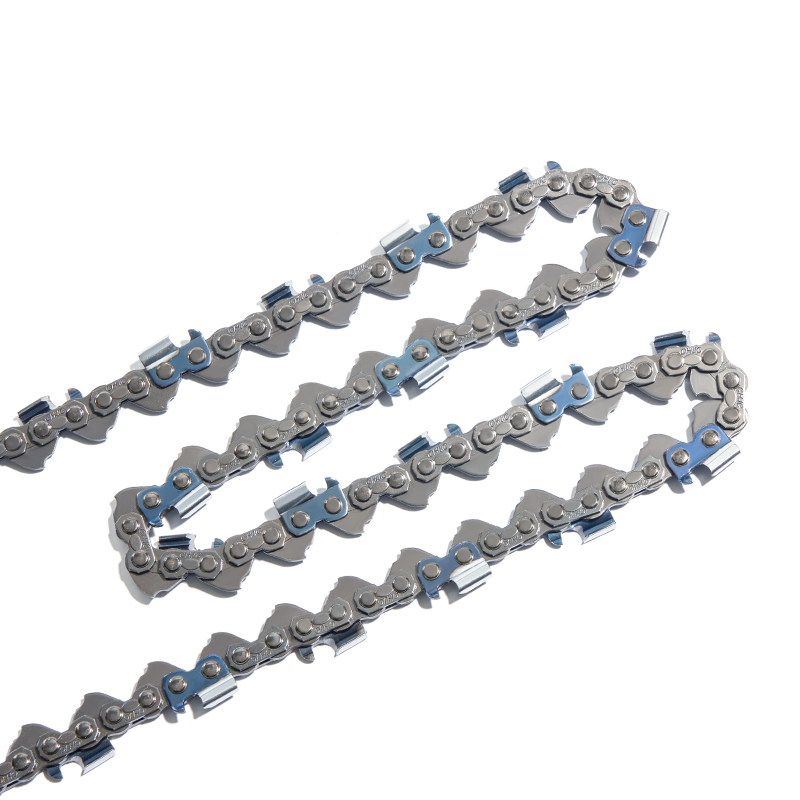
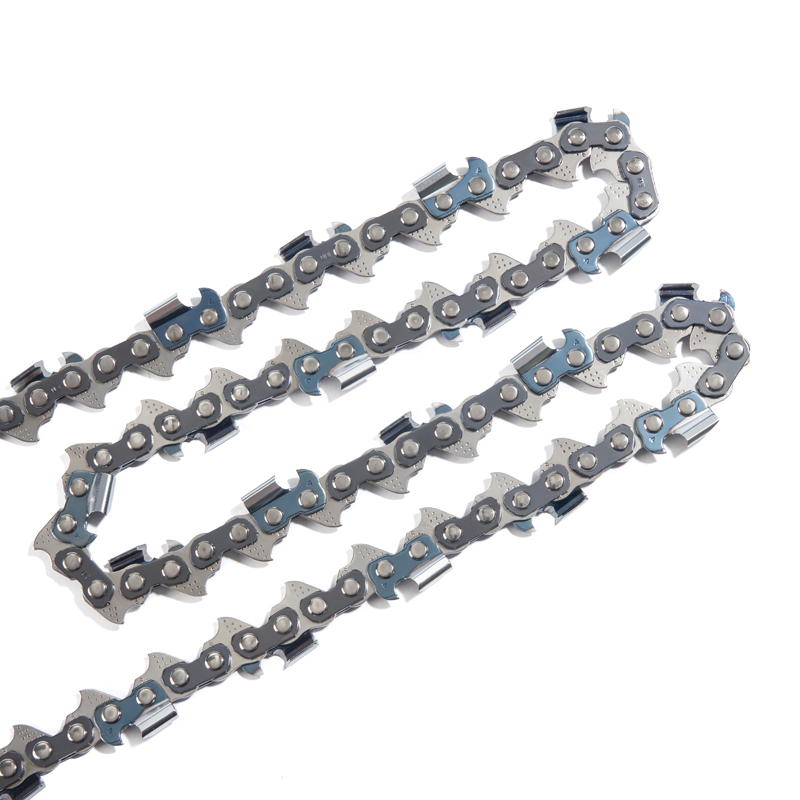
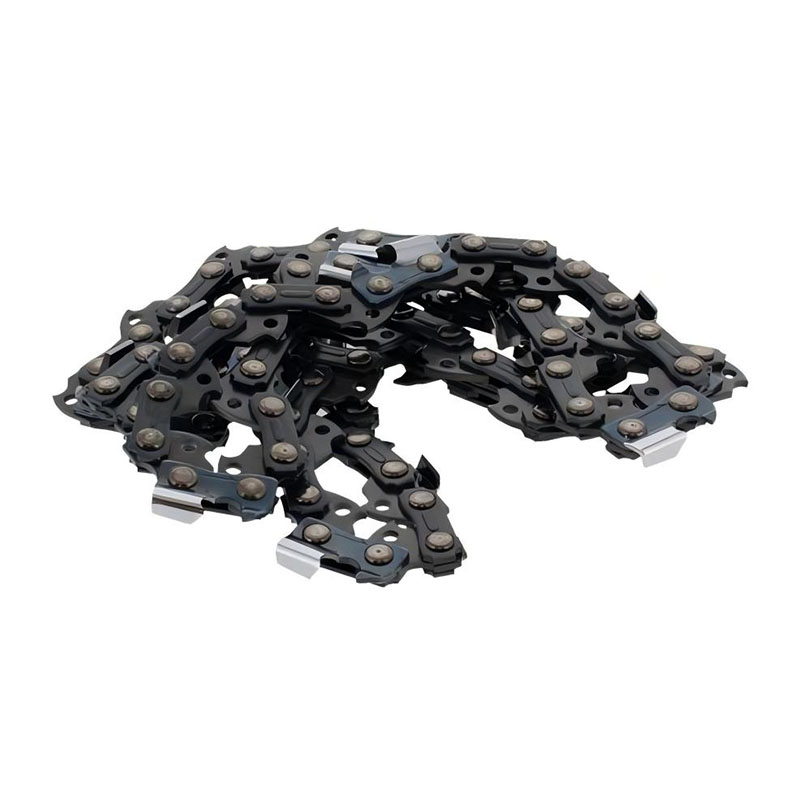
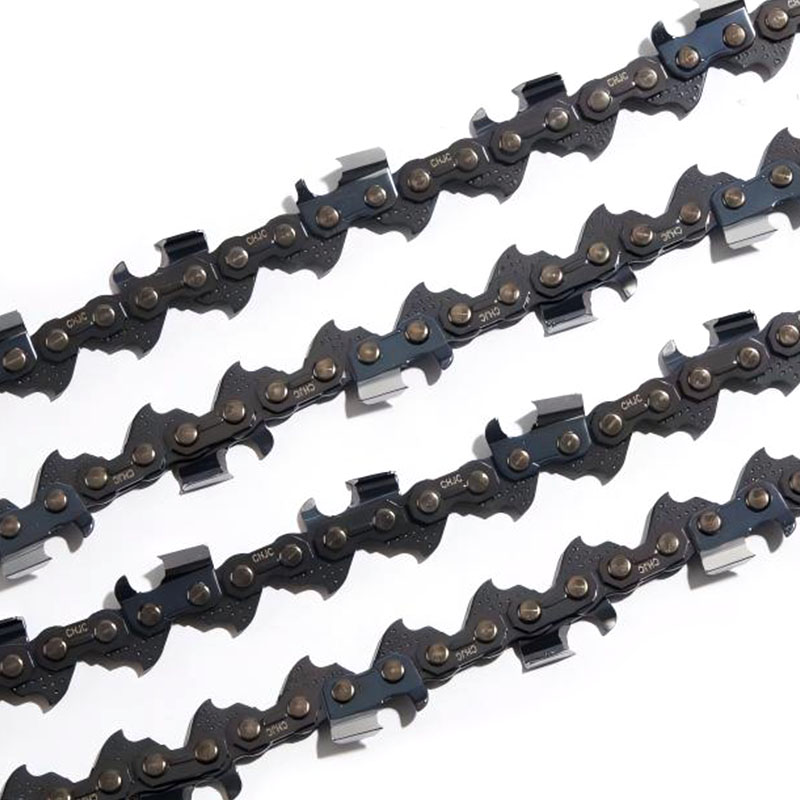
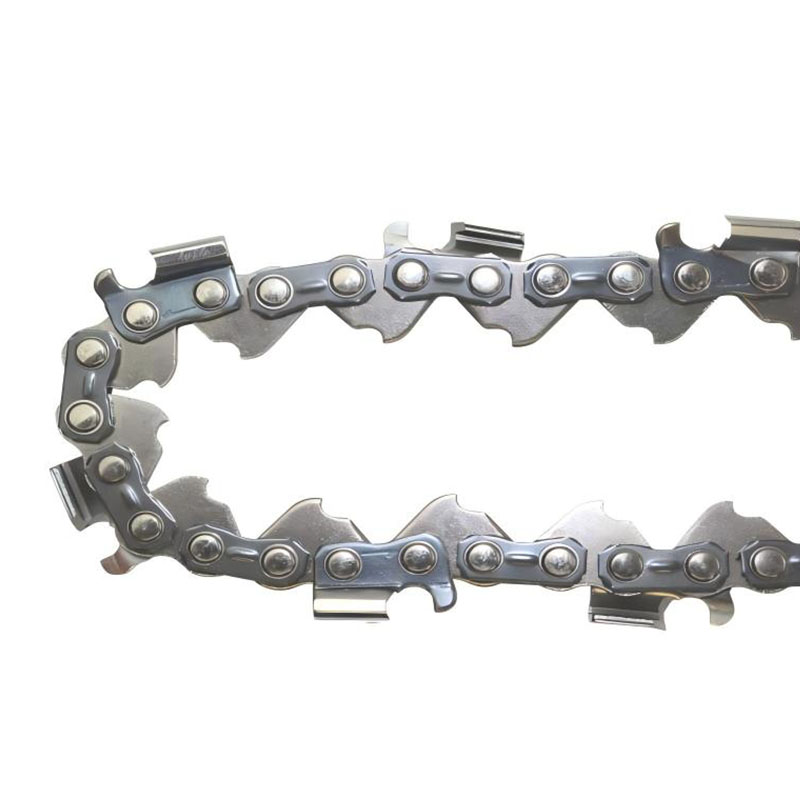
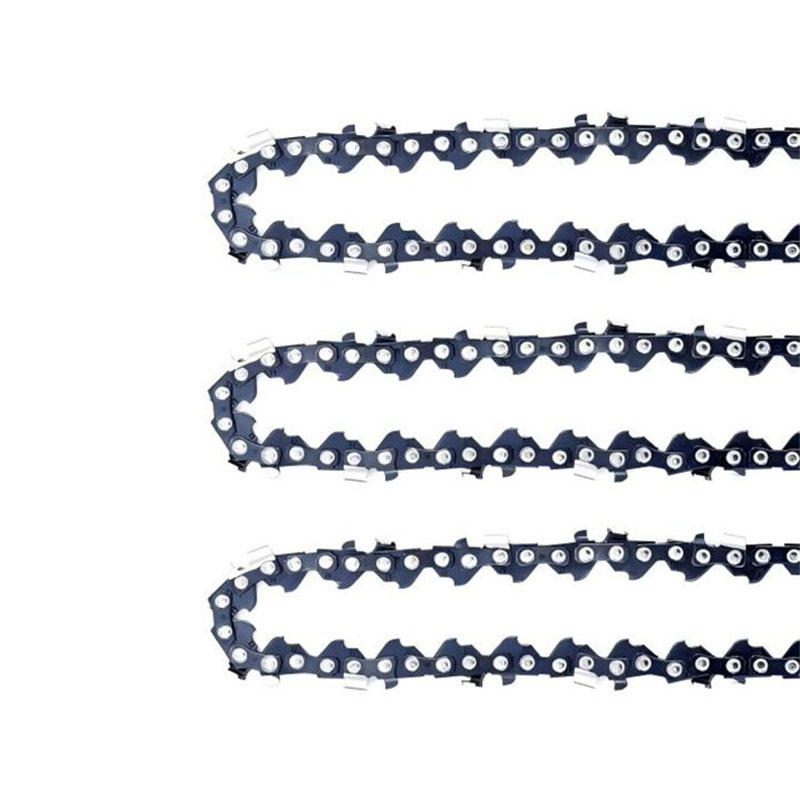
Selecting the correct .325'' pitch saw chain for your chainsaw comes down to matching three critical specifications: the chain pitch (.325 inch), the gauge of your guide bar (most commonly .050'', .058'', or .063''), and the drive link count required by your specific bar length. The .325'' pitch sits between the smaller 1/4" and the larger 3/8" pitches, making it the preferred choice for mid-displacement chainsaws ranging from 40cc to 60cc. It strikes a balance between cutting aggression, smoothness, and chain longevity, which is exactly why professional arborists and serious users rely on it for daily firewood cutting, limbing, and medium-diameter felling. Before placing an order, confirm pitch, gauge, drive link count, and cutter type — get these four right, and you will avoid the most common fitment errors that lead to returns and downtime.
What .325'' Pitch Actually Means and Why It Matters
Pitch refers to the distance between any three consecutive rivets on the chain, divided by two. A .325 inch pitch saw chain therefore has rivets spaced more closely than a 3/8" chain but further apart than a 1/4" chain. This dimensional relationship determines which drive sprocket the chain can run on, and any mismatch between chain pitch and sprocket pitch will cause the chain to skip, vibrate excessively, or wear out within hours of use.
The .325'' pitch was developed specifically for chainsaws in the 40cc to 60cc power range. It offers smaller, lighter cutters than 3/8" chains, which reduces the load on the engine while still removing meaningful amounts of wood per pass. For users who cut 4 to 8 hours a week — typical of property owners managing 5 to 20 acres, or landscaping crews handling routine tree work — the .325'' pitch delivers the best compromise between cutting speed and chain durability.
A useful rule: if your chainsaw bar is between 16 inches and 20 inches and the engine displacement is below 60cc, the .325'' pitch saw chain is almost always the manufacturer-recommended option. Larger bars and more powerful engines typically move to 3/8" or .404" pitches because the heavier cutters can handle higher torque loads without chatter.
The Four Specifications You Must Verify Before Buying
Buying the wrong chain is one of the most common — and most expensive — mistakes in chainsaw maintenance. Every .325'' pitch saw chain is defined by a combination of four data points. Skip any one of them and the chain either will not fit, will not cut properly, or will damage the bar and sprocket.
1. Pitch — .325 inch (the easy part)
This is already confirmed by your search. The pitch must match the drive sprocket inside your chainsaw. If your sprocket reads "7T .325" or "8T .325," you are in the correct category.
2. Gauge — the thickness of the drive link
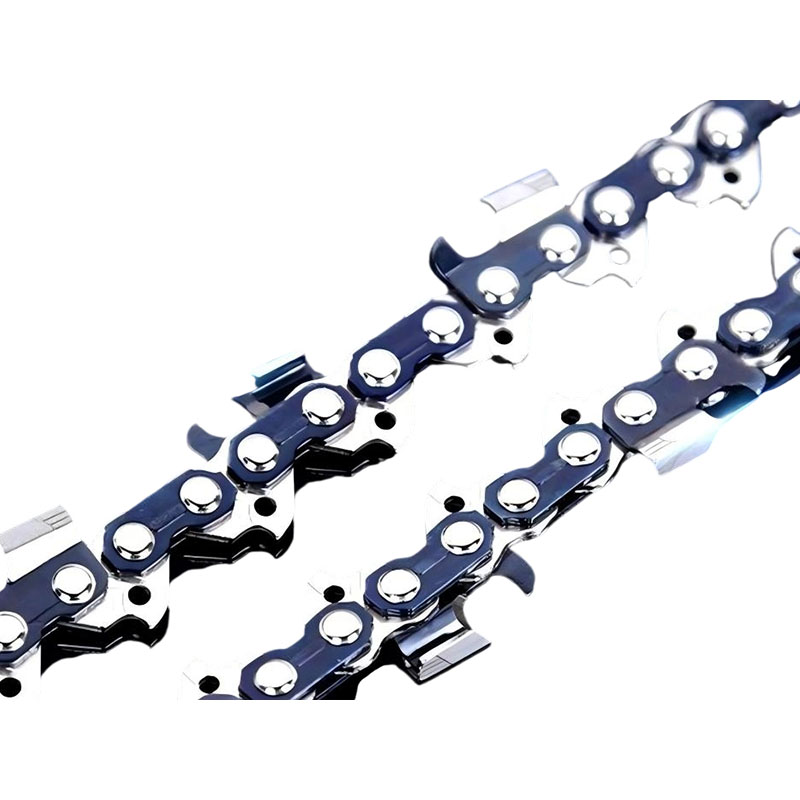
Gauge is the width of the drive link that sits inside the guide bar groove. Common gauges for .325'' chains are .050'' (1.3 mm), .058'' (1.5 mm), and .063'' (1.6 mm). The gauge is stamped on the guide bar itself, usually near the tail. A gauge that is too thin will rattle in the groove; one that is too thick will not fit at all.
3. Drive Link Count — the chain length
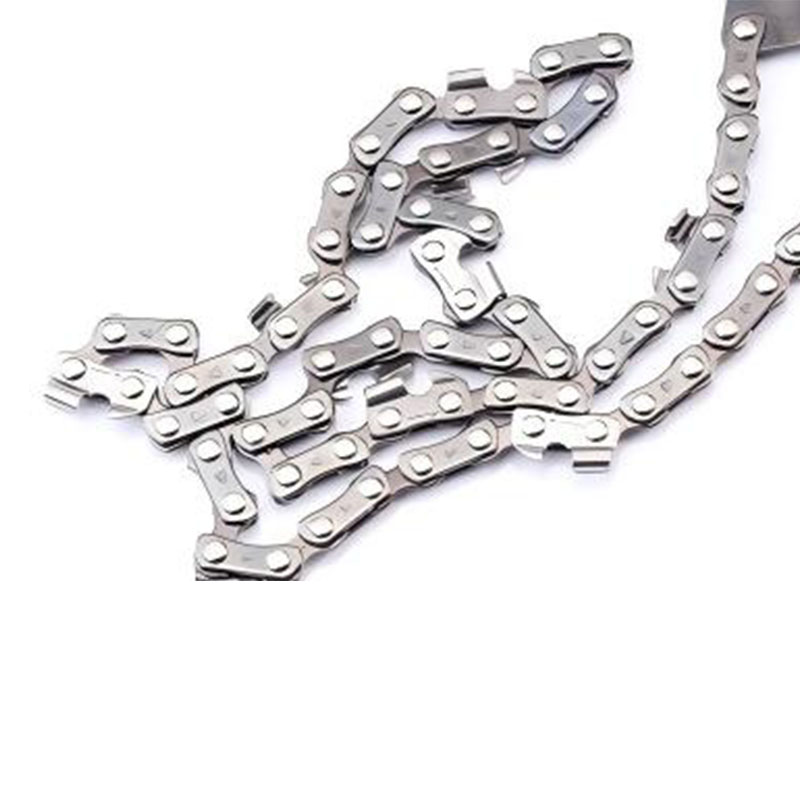
This is the total number of drive links (the small teeth on the underside of the chain). It varies by bar length. A 16" bar running .325'' typically requires 66 or 67 drive links; an 18" bar requires 72; a 20" bar requires 76 or 78. The exact number is always printed on the bar near the mounting slot.
4. Cutter Type — full chisel, semi-chisel
This affects how the chain cuts and how often it needs sharpening. We will cover this in detail in the next sections.
.325'' Pitch Chain Reference Table by Bar Length and Gauge
The following table summarizes the most common .325'' pitch saw chain configurations found on chainsaws in the 40cc–60cc category. Use it as a starting point and always cross-check the numbers stamped on your own guide bar.
| Bar Length | Pitch | Common Gauge | Drive Links | Recommended Engine Size |
|---|---|---|---|---|
| 14 inch | .325'' | .050'' / .058'' | 56 | 35–45 cc |
| 16 inch | .325'' | .050'' / .058'' / .063'' | 66 / 67 | 40–50 cc |
| 18 inch | .325'' | .050'' / .058'' / .063'' | 72 / 74 | 45–55 cc |
| 20 inch | .325'' | .058'' / .063'' | 76 / 78 | 50–60 cc |
| 22 inch | .325'' | .063'' | 86 | 55–60 cc |
Choosing the Right Cutter Type for Your Application
Within the .325'' pitch saw chain family, cutter geometry has a major effect on cutting speed, smoothness, and tolerance for dirty wood. Picking the wrong cutter type is one of the leading causes of premature chain failure and operator fatigue.
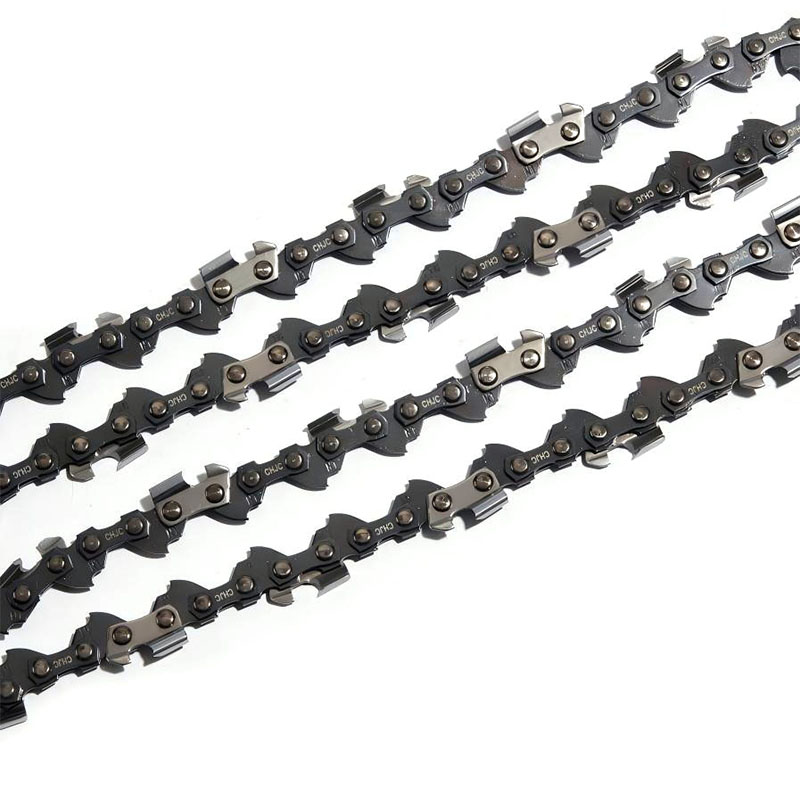
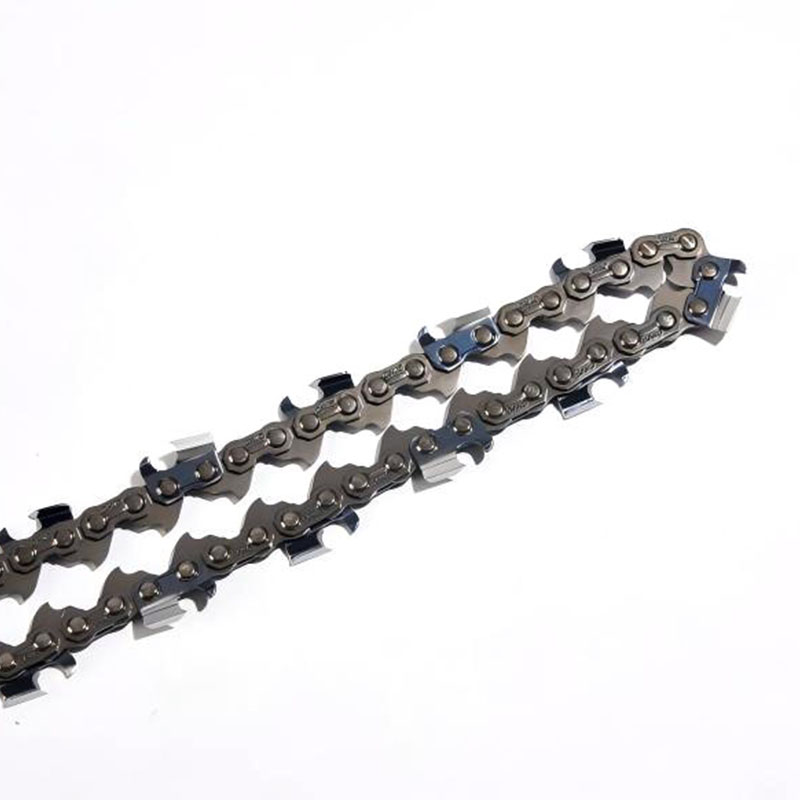
Full Chisel (Square Cornered)
Full chisel cutters have square corners that slice through clean softwood and hardwood with maximum aggression. They are the fastest-cutting option in the .325'' category, often delivering 15–25% faster cut times in clean pine, spruce, or fir. The trade-off: they dull rapidly when they hit dirt, sand, or bark contamination. Reserve full chisel chains for felling and bucking clean logs, not for ground-level limbing or storm cleanup.
Semi-Chisel (Round Cornered)
Semi-chisel cutters have rounded working corners. They cut slightly slower than full chisel but hold their edge two to three times longer when cutting frozen wood, dirty wood, or wood with embedded debris. For firewood production, storm cleanup, and general property maintenance, semi-chisel .325'' pitch saw chains are the most forgiving and economical choice.
.325'' Pitch vs. 3/8'' Pitch: Which One Fits Your Saw?
This is the single most common question asked by buyers who are uncertain about their chain specification. The comparison below illustrates where each pitch performs best.
| Feature | .325'' Pitch | 3/8'' Pitch |
|---|---|---|
| Engine size range | 40–60 cc | 55 cc and above |
| Cutter size | Smaller, lighter | Larger, heavier |
| Cut smoothness | Smoother, less vibration | More aggressive bite |
| Wood chip removal per pass | Moderate | High |
| Best application | Firewood, limbing, mid-size felling | Large-diameter felling, milling |
| Sharpening file size | 3/16'' (4.8 mm) | 7/32'' (5.5 mm) |
If your chainsaw came factory-equipped with a .325'' pitch saw chain, do not switch to 3/8" without also changing the drive sprocket and confirming the guide bar is compatible. The pitches are not interchangeable on a single sprocket.
How to Read Your Chainsaw's Specifications
Every reputable chainsaw provides three sources of information that together identify the correct replacement chain:
- The guide bar stamp: Usually near the mounting tail. It shows bar length, pitch, gauge, and drive link count. Example: "16'' .325 .058 66 DL."
- The drive sprocket: Visible after removing the side cover. It will be marked with tooth count and pitch, such as "7T .325."
- The original chain: If the factory chain is still on the saw, count the drive links along its length. This is the most accurate confirmation.
Photograph these markings before ordering. Stamps wear with use, and a phone photo taken in good light prevents errors when reading specifications later.
Common Mistakes to Avoid When Buying .325'' Chains
- Confusing pitch with gauge: Pitch (.325'') describes rivet spacing; gauge (.050''/.058''/.063'') describes drive link thickness. They are independent measurements.
- Assuming all 16-inch chains are identical: Two 16'' bars from different manufacturers can require different drive link counts (66 vs. 67) due to internal bar geometry.
- Ignoring the drive sprocket: A new chain on a worn sprocket wears out within weeks. Sprockets should be replaced every two to three chains.
- Mixing cutter types mid-chain: Never splice full chisel and semi-chisel links into a single loop. Cutting geometry will be inconsistent.
- Skipping the break-in tension check: A new .325'' pitch saw chain stretches during the first 15 minutes of cutting. Stop, cool, and re-tension once to extend service life dramatically.
Maintenance Tips That Extend the Life of Any .325'' Chain
A well-maintained .325 inch saw chain can deliver 30 to 50 hours of productive cutting before reaching its service limit. Neglected, the same chain may be unusable within 8 hours. Three habits make the biggest difference:
Sharpen every tank of fuel.
Use a 3/16'' (4.8 mm) round file with a guide. A sharp chain pulls itself into the cut without operator pressure. If you have to push, the chain is dull, and continuing will accelerate wear on the bar groove and the drive sprocket.
Maintain proper chain tension.
A correctly tensioned .325'' chain can be lifted 1/8 inch off the bar at the midpoint and snap back into place when released. Loose chains derail; over-tight chains overheat and stretch permanently.
Keep the oil flowing.
Bar and chain oil reaches the chain through a port in the guide bar. Clean the oil hole, the bar groove, and the sprocket nose with a thin wire every time you change a chain. A chain running dry for even a few minutes can develop micro-cracks that lead to sudden breakage.
Final Buying Checklist for .325'' Pitch Saw Chains
Before placing an order, run through this short verification list. It takes two minutes and prevents almost every common fitment problem.
- Confirm pitch on the drive sprocket: .325''.
- Confirm gauge on the guide bar: .050'', .058'', or .063''.
- Count or read the required drive link number.
- Choose cutter type based on use: full chisel for clean wood, semi-chisel for general work.
- Inspect the drive sprocket — replace it if worn before installing a new chain.
- Order the matching 3/16'' file or sharpening kit at the same time.
A correctly specified .325'' pitch saw chain is one of the most cost-effective upgrades you can make to a chainsaw in the 40–60 cc class. Match the four specifications precisely, pair the chain with a fresh sprocket and a sharp file, and the result is faster cuts, smoother operation, and significantly longer service life from every loop you install.