English
 中文简体
中文简体
 русский

Content
- 1 Understanding the Role of Harvester Saw Chains in Forestry Operations
- 2 Key Factors to Consider When Choosing Harvester Saw Chains
- 3 Types of Harvester Saw Chains and Their Best Applications
- 4 Comparing Harvester Saw Chains for Different Harvesting Needs
- 5 Maintenance Considerations When Selecting Harvester Saw Chains
- 6 Economic Impact of Choosing the Right Harvester Saw Chains
- 7 Future Trends in Harvester Saw Chain Technology
- 8 Frequently Asked Questions About Harvester Saw Chains
- 9 Making Informed Decisions for Long-Term Harvesting Success
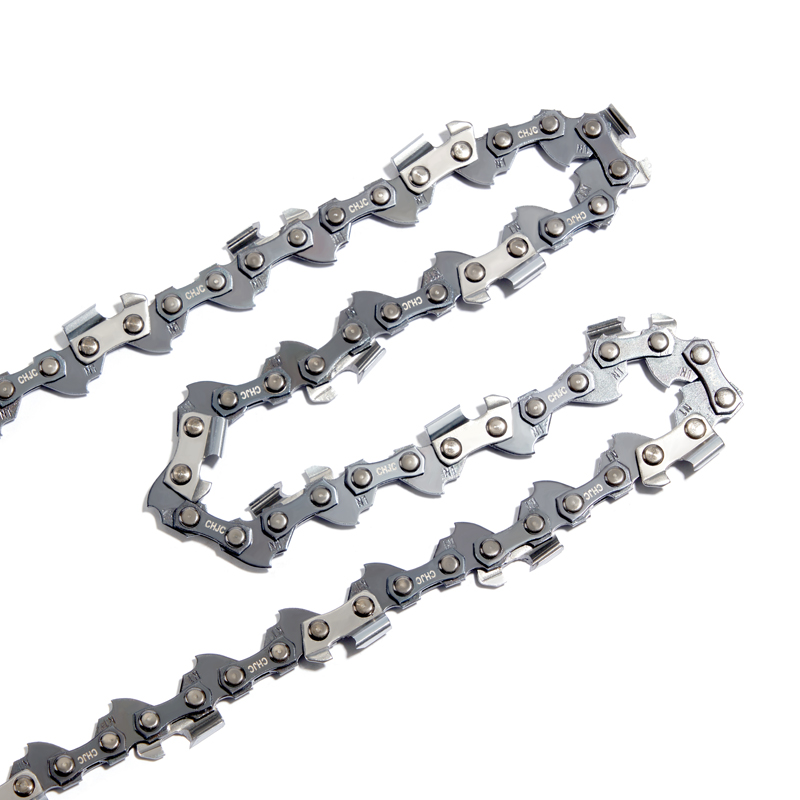
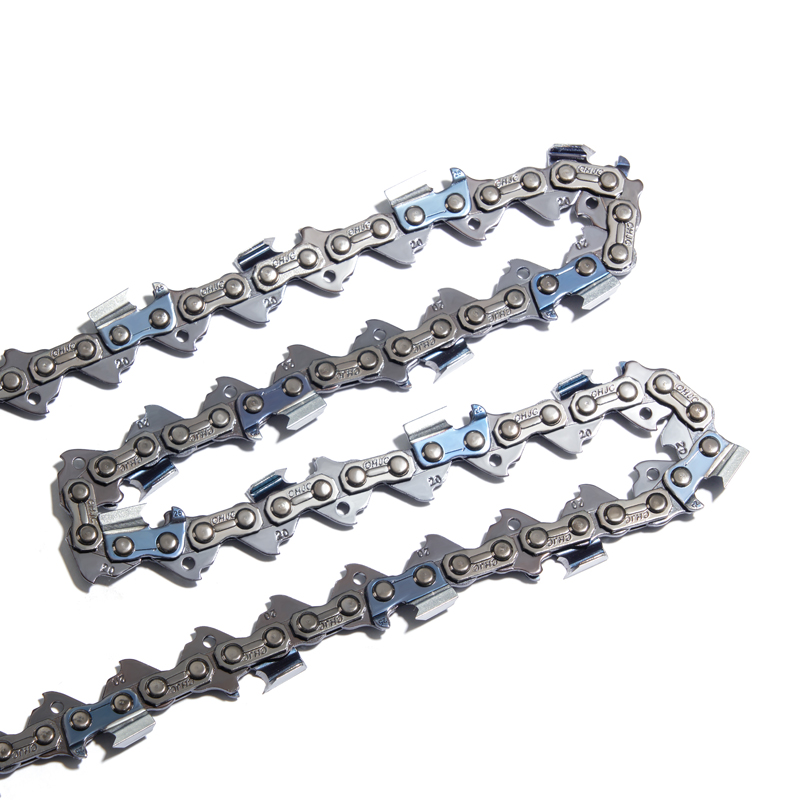
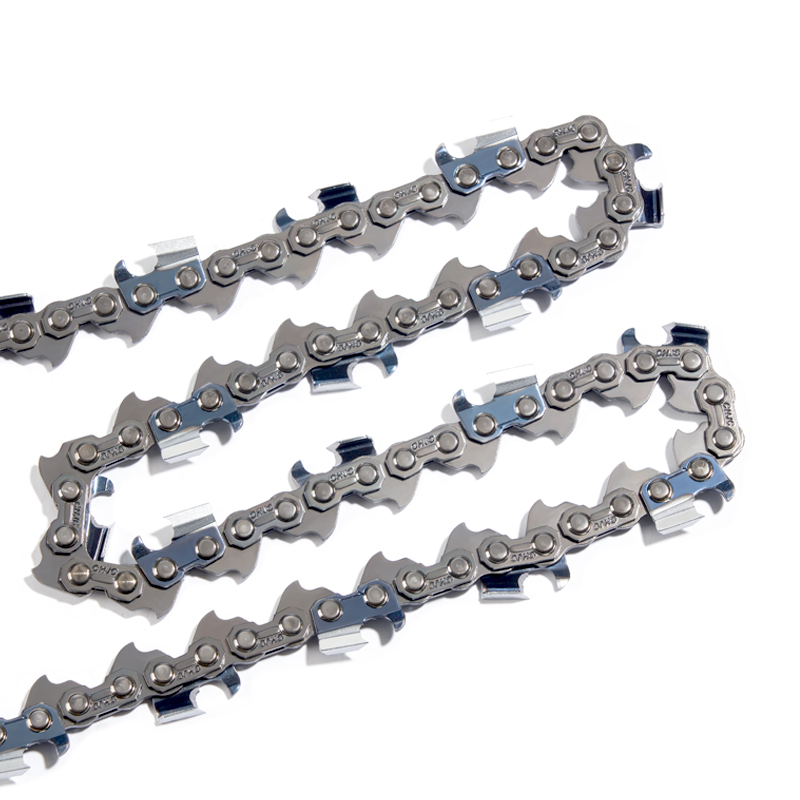
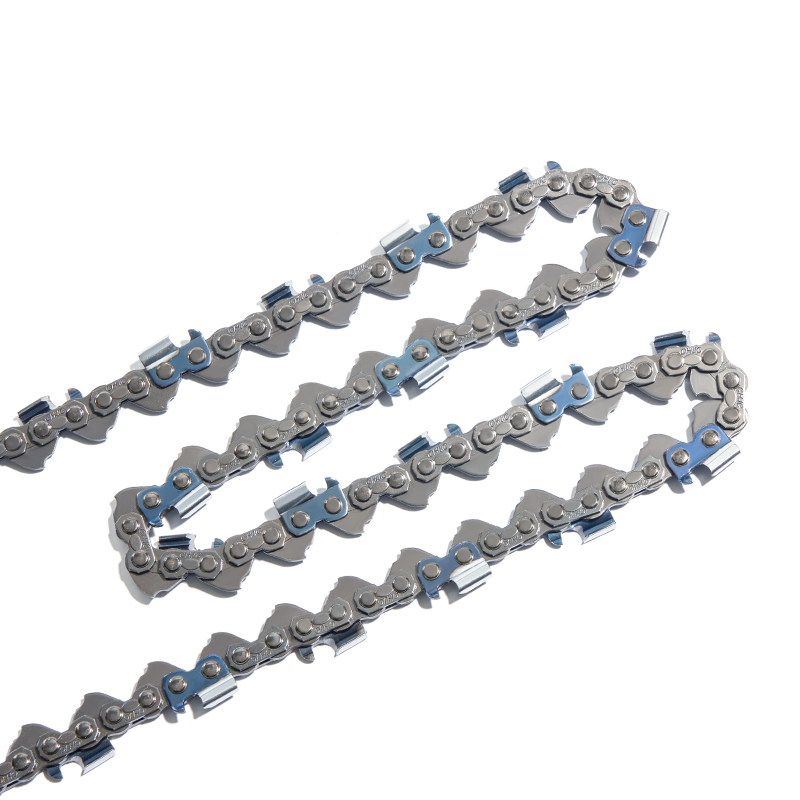
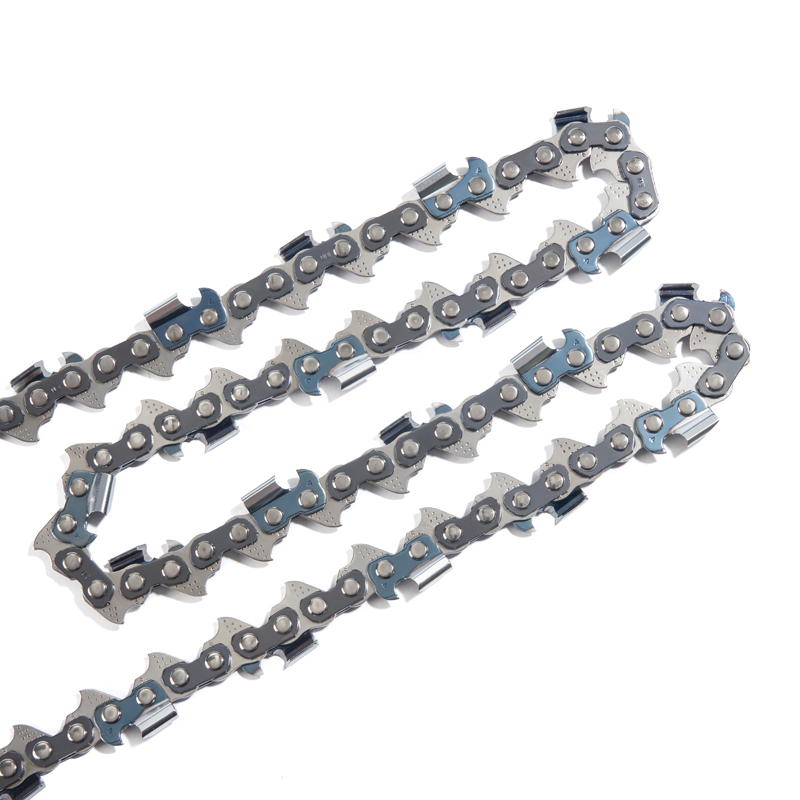
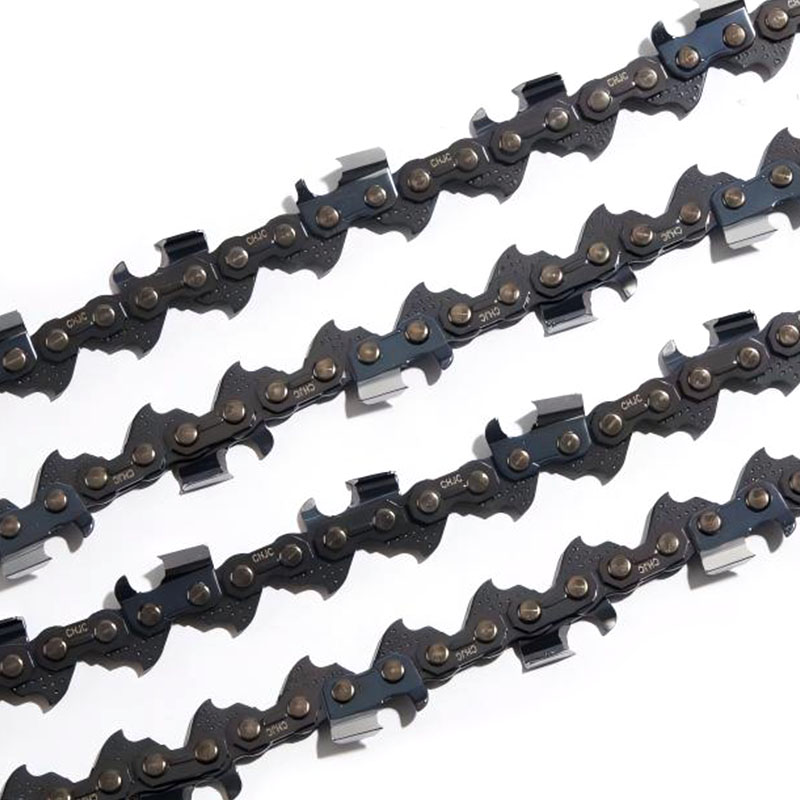
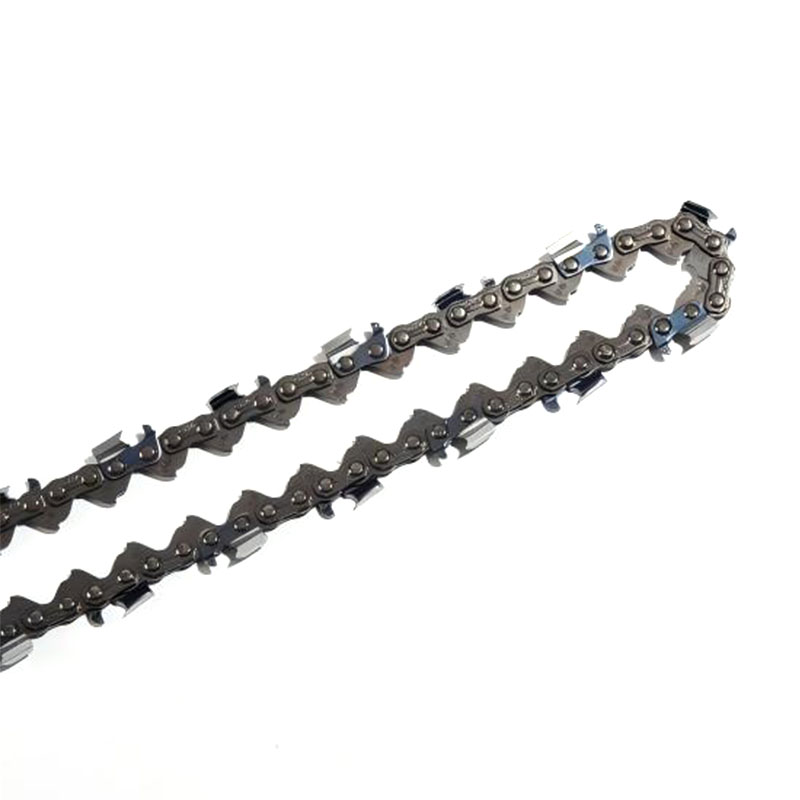
In modern forestry operations, efficiency, safety, and cutting precision are closely tied to the quality of cutting components. Among them, Harvester Saw Chains play a critical role in determining cutting speed, durability, and overall productivity. With various forest conditions, tree species, machine types, and workload intensities, selecting the right saw chain is no longer a one-size-fits-all decision.
Understanding how different Harvester Saw Chains perform under specific harvesting scenarios helps contractors, forestry managers, and equipment buyers reduce downtime, extend service life, and optimize cutting performance across diverse logging environments.
Understanding the Role of Harvester Saw Chains in Forestry Operations
Harvester heads are designed to fell, delimb, and cut trees to length in a continuous process. At the heart of this operation lies the saw chain, which must withstand extreme stress, abrasive materials, and long working hours.
Compared with standard chainsaw chains, Harvester Saw Chains are engineered for:
- High-powered hydraulic drive systems
- Continuous industrial-level cutting cycles
- Large-diameter hardwood and softwood logs
- Harsh environments with dirt, sand, and frozen wood
Choosing an inappropriate chain can result in reduced cutting efficiency, increased fuel consumption, accelerated wear on guide bars, and higher maintenance costs.
Key Factors to Consider When Choosing Harvester Saw Chains
1. Tree Species and Wood Hardness
The type of wood being harvested is one of the most decisive factors. Different species impose different cutting demands on Harvester Saw Chains.
- Softwood (pine, spruce, fir):Requires chains optimized for speed and chip evacuation
- Hardwood (oak, beech, eucalyptus):Requires reinforced chains with higher wear resistance
- Frozen wood:Demands specially hardened cutters to prevent rapid dulling
Using a softwood-optimized chain on hardwood may result in rapid tooth wear, while heavy-duty chains on softwood may reduce cutting speed and efficiency.
2. Chain Pitch and Gauge Compatibility
Every harvester head is designed to work with specific chain dimensions. Incorrect pitch or gauge can cause vibration, poor cutting performance, or even damage to the drive system.
- Common pitches:404" is widely used for professional harvesting
- Gauge options:0 mm
Matching the chain precisely to the guide bar and sprocket ensures smooth power transmission and stable cutting.
3. Cutter Type and Design
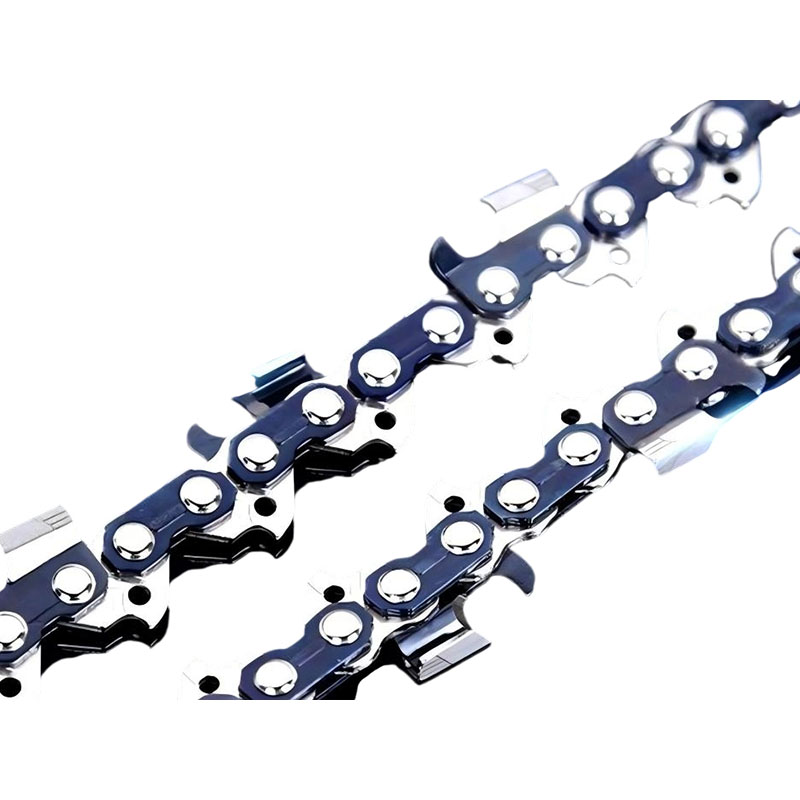
Cutter geometry directly influences cutting efficiency, durability, and maintenance requirements. The most common cutter types include:
- Chisel cutters:Fast cutting, ideal for clean softwood environments
- Semi-chisel cutters:Balanced performance, better resistance to dirt and debris
For operations where chains encounter sand, bark contamination, or muddy conditions, semi-chisel designs often provide longer service life.
4. Working Environment and Terrain
Environmental conditions significantly affect chain wear. Harvester Saw Chains used in clean forest plantations experience different stress compared to those operating in:
- Rocky or sandy soil areas
- Snow-covered or frozen terrain
- Mixed debris logging sites
In abrasive environments, chains with special coatings or hardened rivets can reduce stretch and extend operating hours between maintenance cycles.
Types of Harvester Saw Chains and Their Best Applications
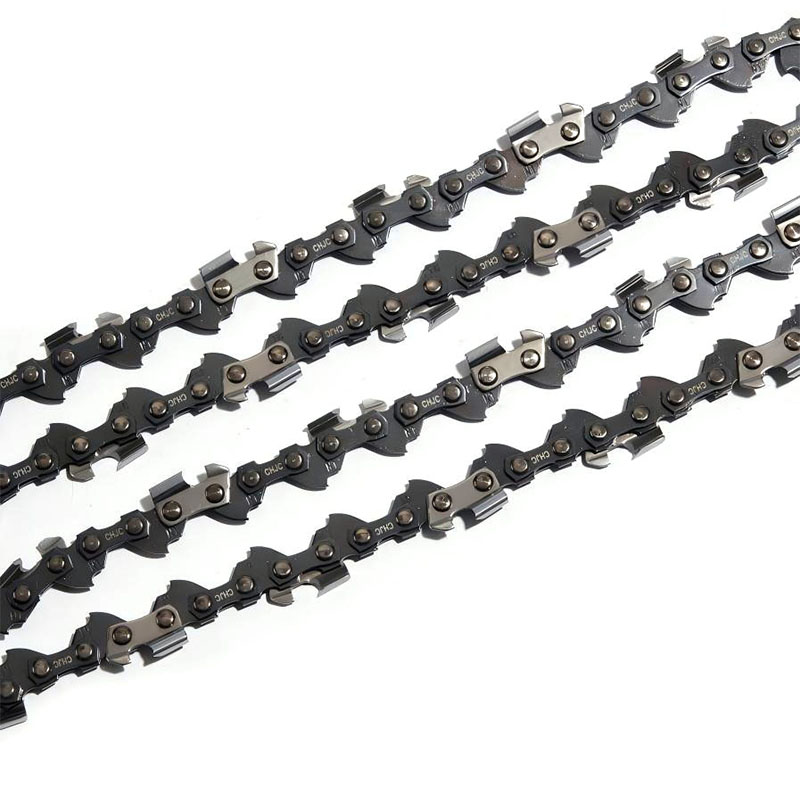
Standard Duty Harvester Saw Chains
Standard duty chains are suitable for moderate workloads and clean cutting conditions. They offer:
- Balanced cutting speed and durability
- Lower initial cost
- Ease of sharpening
These chains are commonly used in plantation forestry and softwood harvesting.
Heavy Duty Harvester Saw Chains
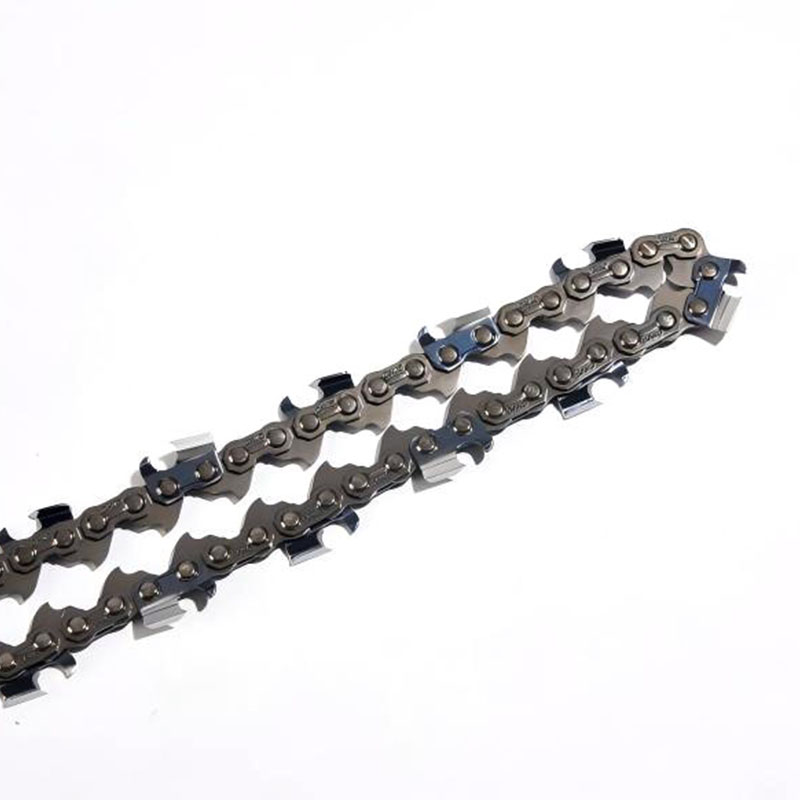
Heavy duty Harvester Saw Chains are reinforced to handle tougher conditions. Key features include:
- Stronger rivets and tie straps
- Improved resistance to chain stretch
- Longer service life in hardwood applications
They are ideal for large-diameter logs and continuous high-load operations.
Low-Kickback Harvester Saw Chains
Safety-focused designs reduce reactive forces during cutting. While kickback is less common on harvester heads compared to handheld chainsaws, controlled cutting remains important for machine longevity.
- Smoother cutting behavior
- Reduced stress on hydraulic components
- Improved operator control
Comparing Harvester Saw Chains for Different Harvesting Needs
|
Harvesting Scenario |
Recommended Chain Type |
Main Advantage |
|
Softwood plantation |
Chisel cutter, standard duty |
High cutting speed |
|
Hardwood logging |
Heavy duty, reinforced chain |
Extended durability |
|
Frozen timber |
Hardened cutter chain |
Reduced tooth wear |
|
Sandy or dirty conditions |
Semi-chisel chain |
Longer edge retention |
This comparison highlights the importance of aligning chain selection with real-world operating conditions rather than relying solely on price or availability.
Maintenance Considerations When Selecting Harvester Saw Chains
Maintenance practices should influence chain selection just as much as cutting requirements.
Sharpening Frequency
Chains that dull quickly require more frequent sharpening, increasing labor costs and downtime. Semi-chisel and hardened chains generally offer longer intervals between sharpening.
Chain Stretch and Tension Stability
High-quality Harvester Saw Chains are designed to minimize stretch during initial break-in periods. Stable tension reduces wear on guide bars and sprockets.
Compatibility with Automated Sharpening Systems
Some forestry operations rely on automated or centralized sharpening systems. Chains with consistent cutter geometry simplify this process and improve maintenance efficiency.
Economic Impact of Choosing the Right Harvester Saw Chains
While upfront cost is often a deciding factor, total cost of ownership tells a different story.
- Longer chain life reduces replacement frequency
- Improved cutting efficiency lowers fuel consumption
- Reduced downtime increases overall harvesting output
Investing in application-specific Harvester Saw Chains often results in measurable cost savings over the full harvesting season.
Future Trends in Harvester Saw Chain Technology
The forestry industry continues to evolve, and saw chain technology is no exception. Current development trends include:
- Advanced alloy steels for improved wear resistance
- Optimized cutter geometry for reduced energy consumption
- Environmentally friendly surface treatments
As harvesting equipment becomes more powerful and precise, chain design will remain a key focus area for performance improvement.
Frequently Asked Questions About Harvester Saw Chains
How often should Harvester Saw Chains be replaced?
Replacement intervals depend on operating conditions, maintenance practices, and wood type. In clean softwood environments, chains may last significantly longer than in abrasive hardwood or sandy conditions.
Can one type of chain handle all harvesting conditions?
While some heavy-duty chains offer versatility, using specialized Harvester Saw Chains for specific conditions generally delivers better performance and lower long-term costs.
What is the most common pitch used in harvesting machines?
The 0.404" pitch is widely adopted in professional harvester heads due to its strength and compatibility with high-power systems.
Does chain coating really make a difference?
Yes. Surface treatments can reduce friction, resist corrosion, and slow down wear, especially in harsh environments.
How does chain choice affect guide bar life?
Properly matched chains reduce uneven wear and vibration, significantly extending the lifespan of guide bars and sprockets.
Making Informed Decisions for Long-Term Harvesting Success
Selecting the right Harvester Saw Chains requires a clear understanding of harvesting conditions, machine specifications, and operational priorities. By evaluating wood type, terrain, workload intensity, and maintenance capabilities, forestry professionals can make informed choices that enhance productivity, reduce operating costs, and ensure reliable performance across diverse harvesting scenarios.