English
 中文简体
中文简体
 русский

Content
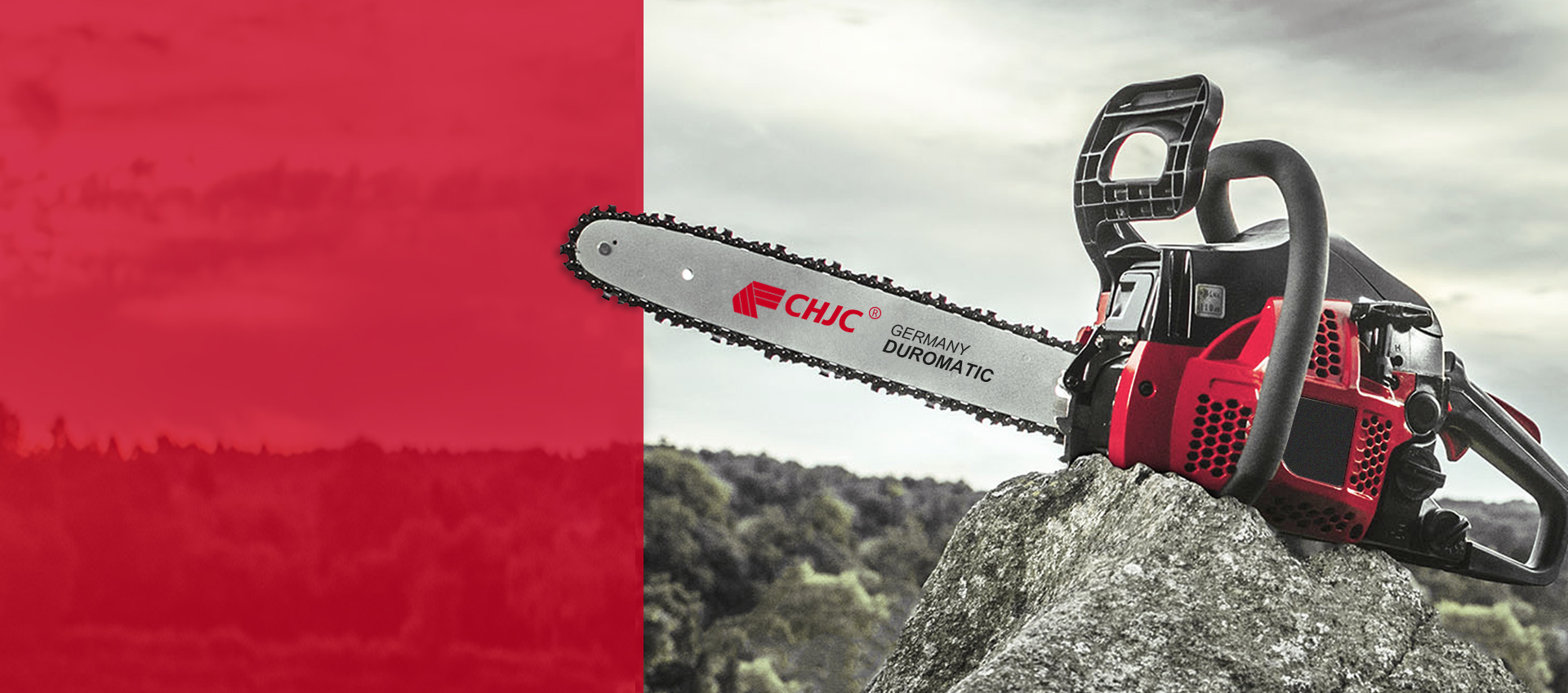
"A sharp chain cuts faster, demands less from the motor, and keeps the operator safe. The difference between a dull chain and a fresh one is felt within the first cut."
What Size File for a .325 Chain?
Choosing the right round file diameter is just as critical as choosing the right chain. Using a file that is too large leaves the cutter top-plate angle too flat and reduces the depth gauge clearance; too small and you cannot remove enough material to restore a proper edge.
File Size Reference by Chain Pitch
| Chain Pitch | File Diameter | Hengjiu Product | Typical Use |
|---|---|---|---|
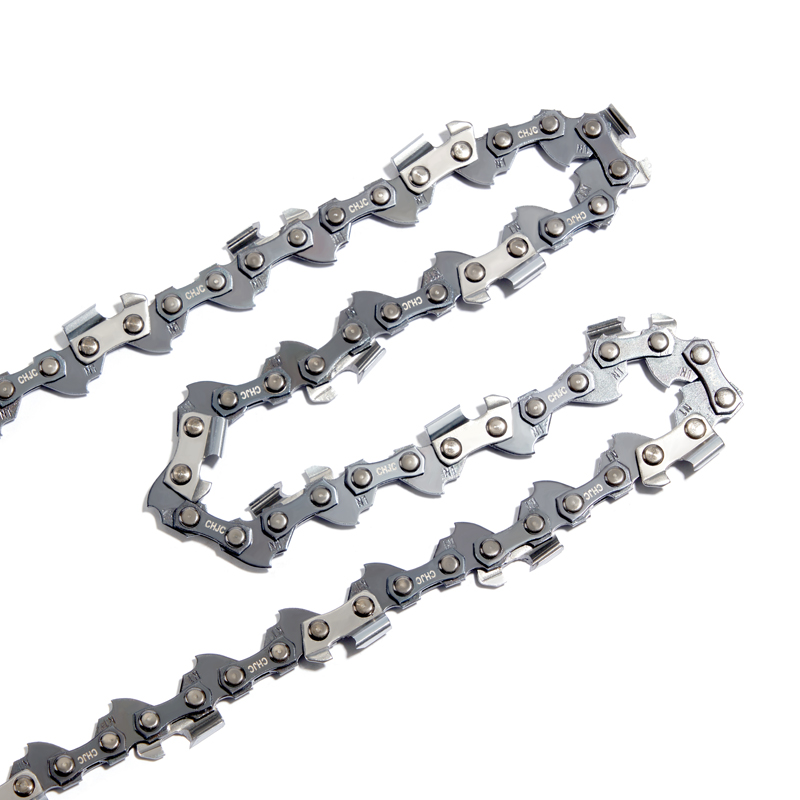
| 1/4'' | 4.0 mm | 1/4'' Saw Chain | Pruning / arborist |
| 3/8'' LP | 4.0 mm | 3/8'' LP Saw Chain | Home / garden |
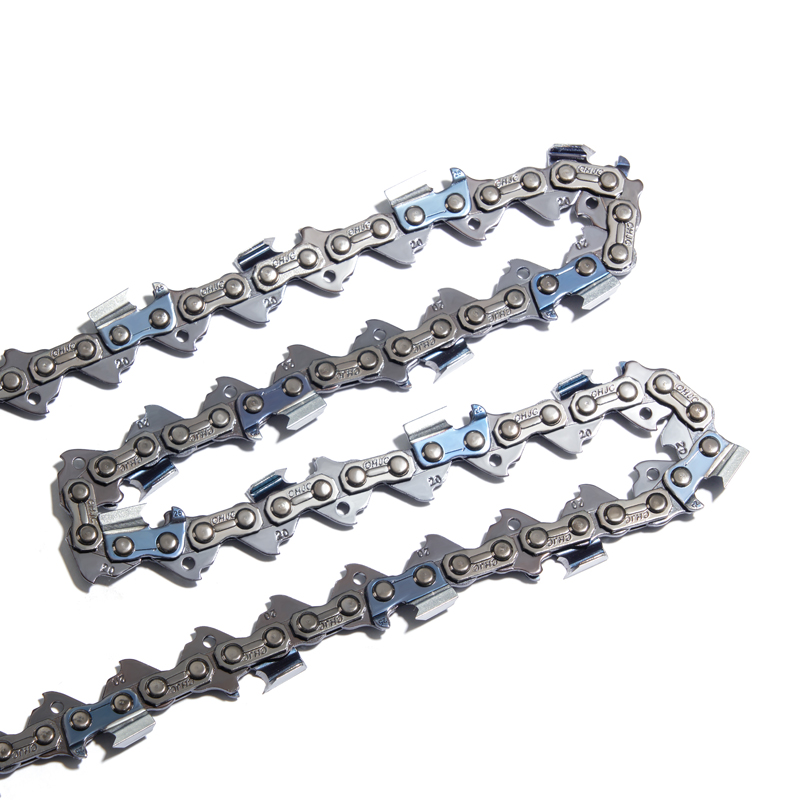
| .325'' | 4.8 mm | .325'' Saw Chain | Homeowner / medium |
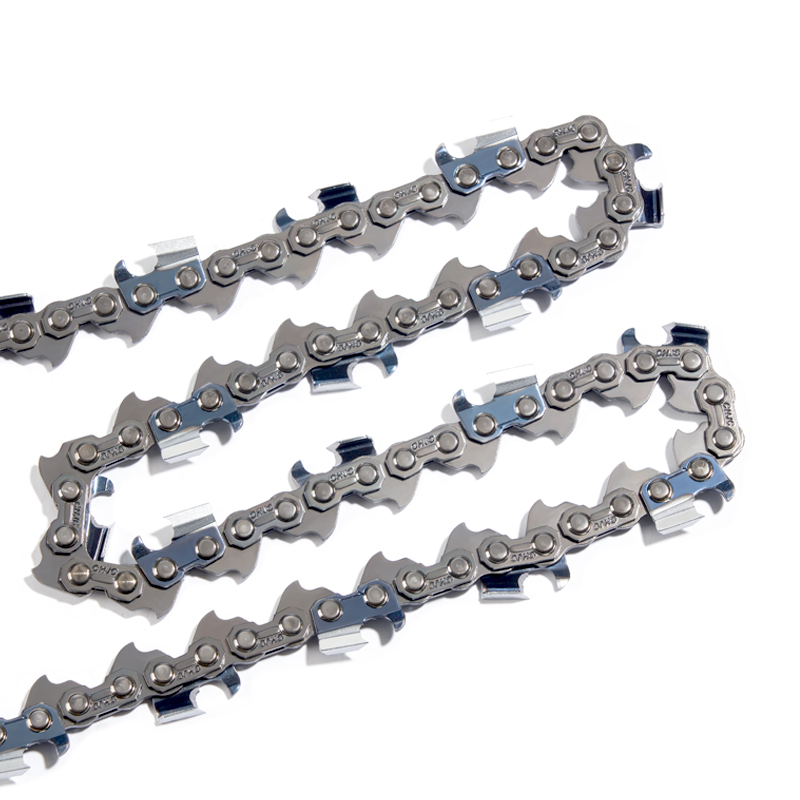
| 3/8'' | 5.2 mm | 3/8'' Saw Chain | Professional / logging |
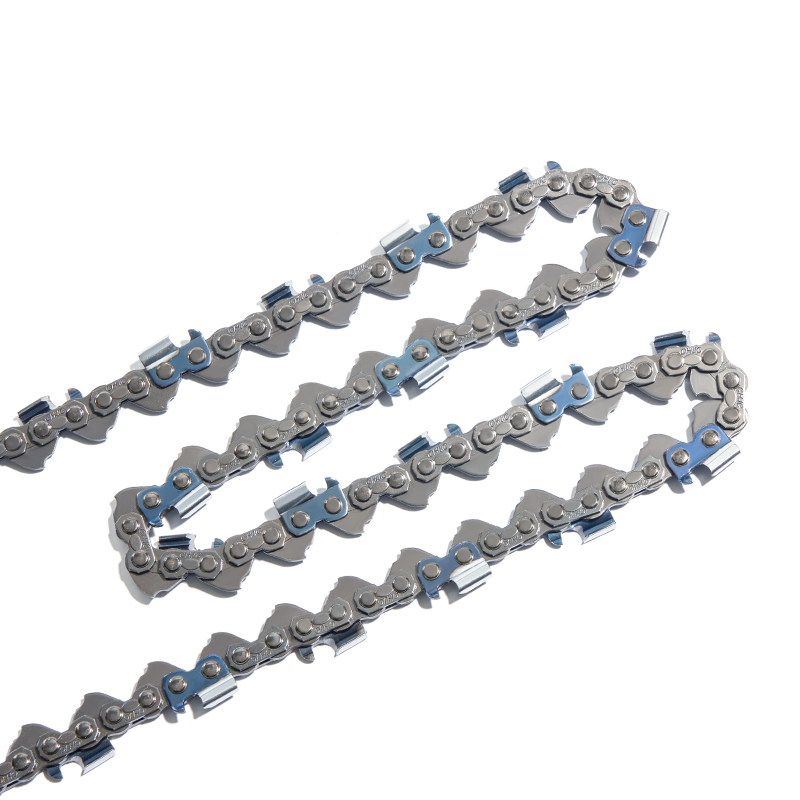
| .404'' | 5.5 mm | .404'' Harvester Chain | Industrial / harvesting |
For a .325'' pitch chain — the most common pitch for homeowner-grade saws — the correct file is 4.8 mm in diameter. This ensures the file sits at the correct height above the top plate when resting in the gullet, allowing you to maintain the factory 35° top-plate angle with each stroke.
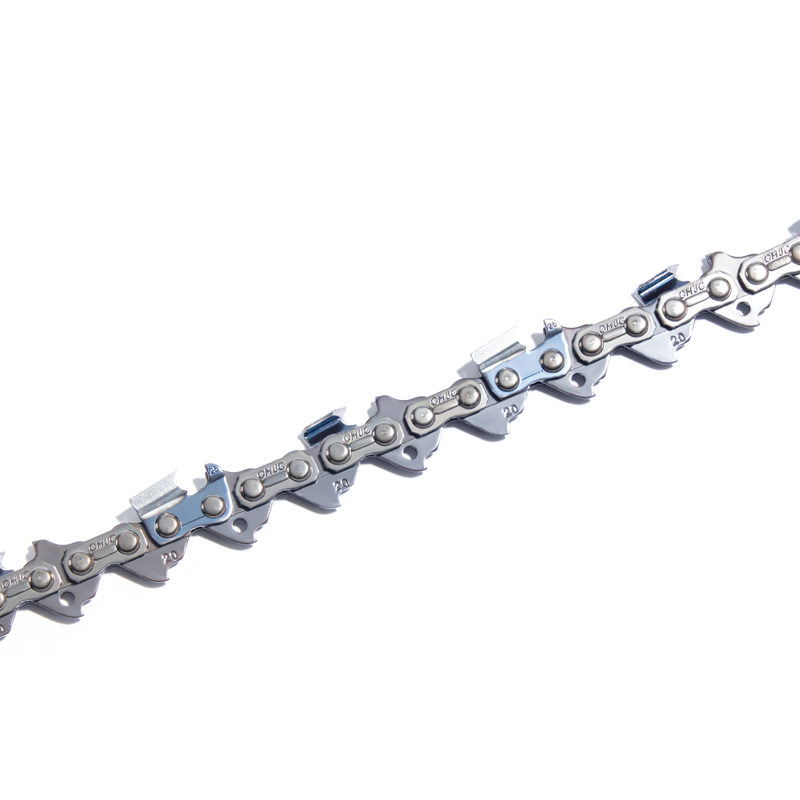
Hengjiu Product — Most Popular
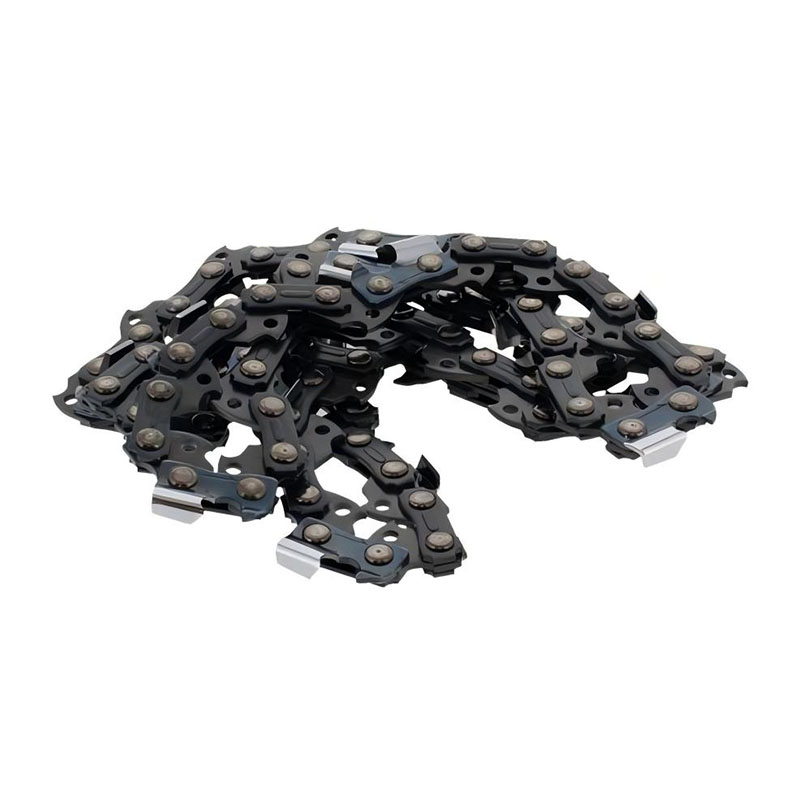
.325'' Saw Chain Series
Available in .050'', .058'', and .063'' gauge. Unique cutter head design maximises performance across diverse cutting conditions. Material: 68CrNiMo3 steel with German-sourced raw materials.
Choosing the Best Chainsaw: What to Consider
The best chainsaw is the one correctly matched to both your application and the chain it will run. An oversized saw with a mismatched chain wastes fuel and fatigues the operator; an undersized saw will bog down and accelerate chain wear. Three variables should guide your decision.
Engine Size and Bar Length
Engine displacement and bar length are directly related: a longer bar requires more torque to drive the chain at cutting speed. As a practical guide, bars up to 16'' pair well with engines in the 35–45cc range, while 18''–20'' bars benefit from 50–60cc, and bars beyond 20'' should be paired with 60cc or above for reliable performance without overheating.
Match Bar Length to the Wood Species and Task
Bar length should exceed the diameter of the wood being cut by at least 2''. Cutting a 14'' oak trunk with a 14'' bar forces the nose into the cut, dramatically increasing kickback risk. Always allow at least 2'' of overhang beyond the widest point of the log. For limbing and pruning, shorter bars (10''–14'') offer better maneuverability and pair naturally with Hengjiu's low-profile chains.
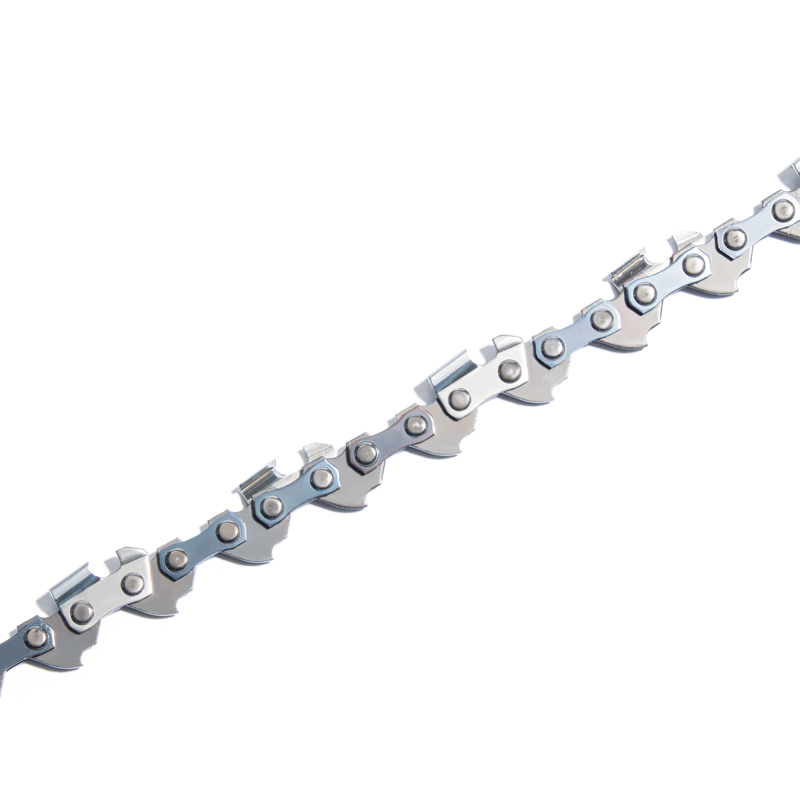
Ideal for short bars & pruning
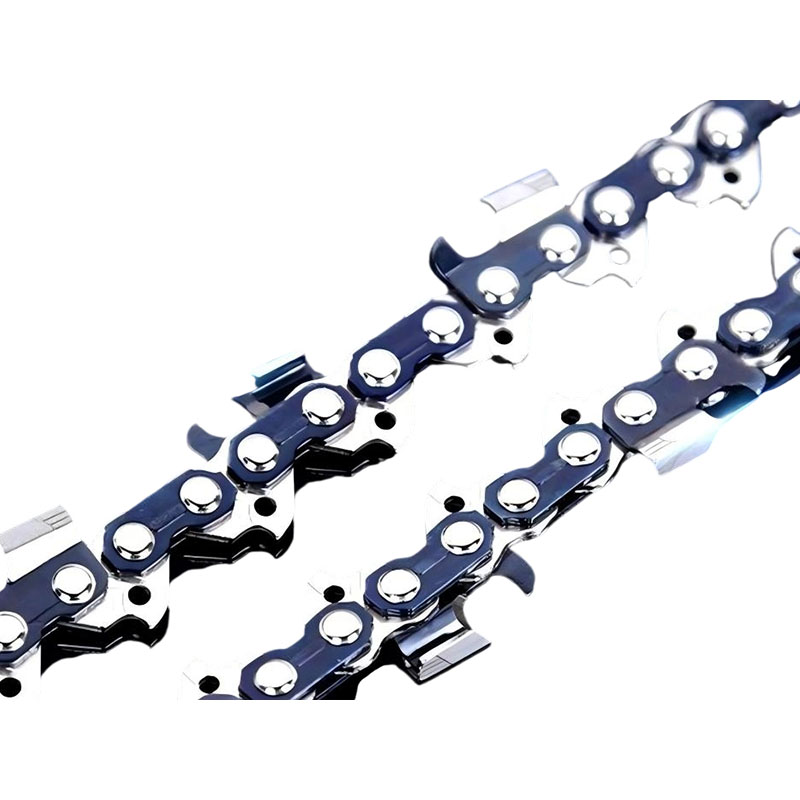
3/8'' LP Saw Chain
Low-profile design for home users and gardeners. Simple to operate, easy to sharpen with a 4.0 mm file, and provides high safety performance on bars from 10''–16''.
Gas vs. Battery vs. Electric
Each power source has meaningful trade-offs that affect how you select and maintain your chain:
- Gas chainsaws offer the most power and the longest runtime, making them the best choice for full days of logging or large firewood processing. They tolerate aggressive feed rates well, which rewards a properly sharpened chain.
- Battery chainsaws (40V–80V) have closed the performance gap significantly and are excellent for homeowners doing intermittent work. A dull chain drains the battery faster — sharpening is even more critical on battery-powered saws.
- Corded electric chainsaws are quietest and lowest maintenance, suited for workshop use or small property tasks. They pair naturally with Hengjiu's 3/8'' LP or .325'' low-profile chains.
| Power Type | Best For | Typical Bar | Recommended Chain |
|---|---|---|---|
| Gas (35–45cc) | Firewood / occasional felling | 14''–18'' | .325'' .050'' |
| Gas (50–70cc) | Professional logging | 18''–24'' | 3/8'' .058'' |
| Battery (40–80V) | Home / intermittent use | 12''–16'' | 3/8'' LP .050'' |
| Corded Electric | Pruning / workshop | 10''–14'' | 1/4'' .043'' |
How Often Should You Sharpen?
Sharpening frequency depends on the wood, conditions, and cutting intensity — but there are reliable indicators that take the guesswork out of it. Never wait until the chain stops cutting to sharpen; by that point, you have already been over-stressing the motor and the bar.
As a general rule: sharpen every 2–3 tanks of fuel for gas saws doing sustained cutting, or at the start of each new cutting session for battery and electric models. Always sharpen immediately after hitting soil, rock, wire, or any foreign material embedded in the wood.
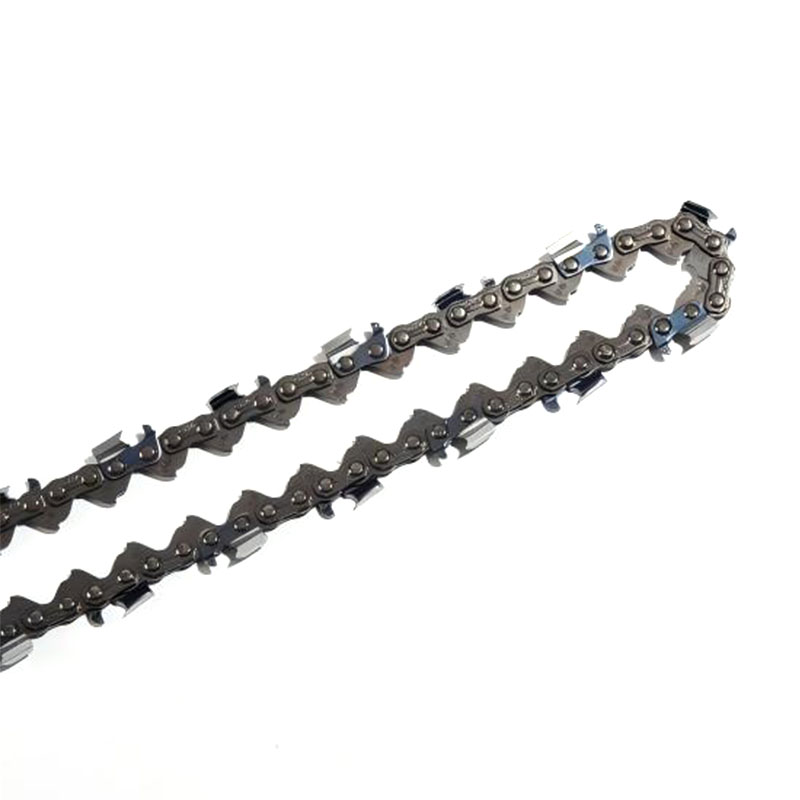
Signs a chain needs sharpening:
- The saw produces fine dust rather than coarse chips
- You must apply downward pressure to feed the cut
- The chain wanders left or right instead of cutting straight
- Visible shiny flat spots on cutter top plates when examined closely
- Increased vibration or rattling through the saw body
Each sharpening removes a small amount of cutter material. A well-maintained Hengjiu chain built from 68CrNiMo3 alloy steel will typically accept 8–12 sharpenings before the cutter teeth wear below the minimum safe length.
Manual Filing Tips: Getting the Best Results
Manual filing remains the most practical method for field sharpening. With the right technique and the correct file diameter, you can restore a sharp edge on every cutter in under ten minutes.
- Secure the bar — clamp the bar in a vise or use a filing guide to prevent movement; consistent angle requires a stable platform.
- Use the correct file diameter — match file size to pitch (see Table 1 above); the file should sit 20% above the top plate when resting in the gullet.
- Maintain a consistent 35° top-plate angle — file with smooth forward strokes, lifting on the return; never drag the file backwards.
- Count strokes per cutter — apply the same number of strokes to every cutter to keep all teeth at equal length; typically 3–5 strokes per cutter on a lightly dulled chain.
- Check depth gauges every third sharpening — use a flat file and depth gauge tool to reduce drive links that protrude above the cutter; overlooking this leads to an aggressive, uncontrollable feed.
- File both sides evenly — left-hand and right-hand cutters must remain equal; uneven sharpening causes the chain to pull to one side during the cut.
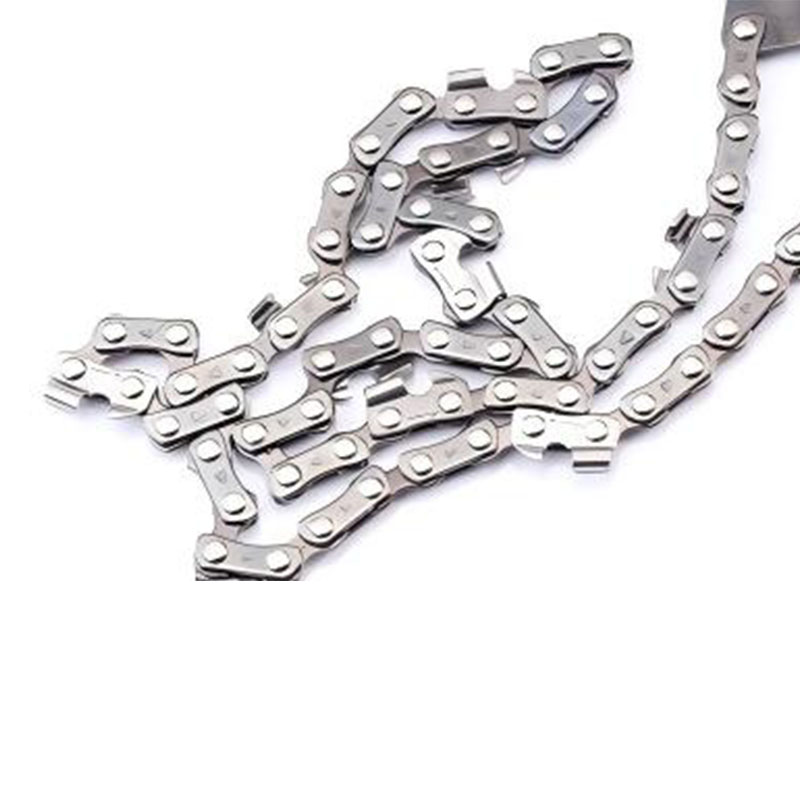
Easy to sharpen · Low kickback
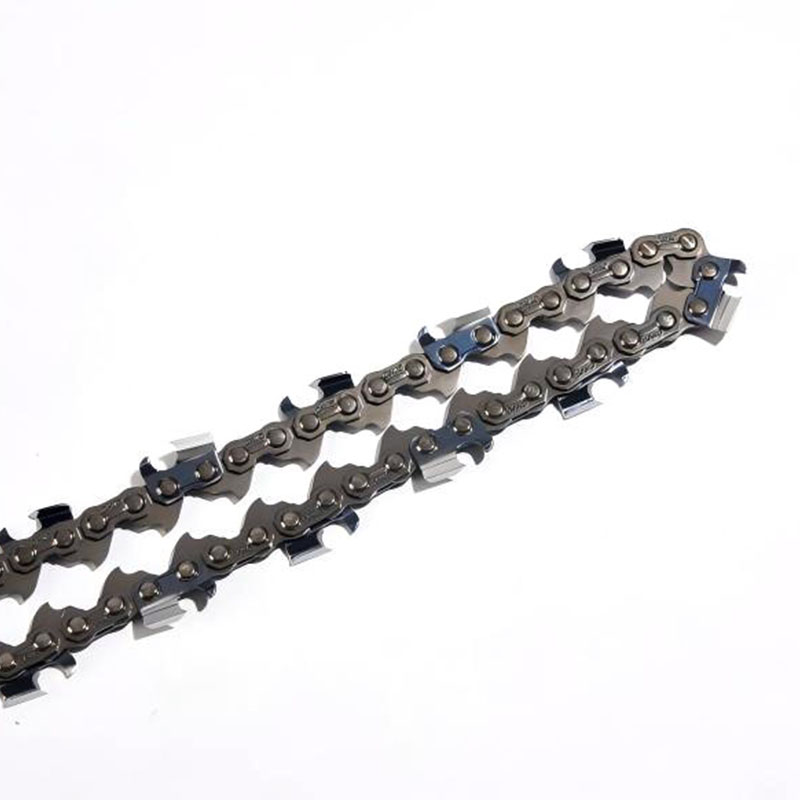
.325'' LP .043'' Saw Chain
The low-profile cutter geometry makes maintaining the correct file angle straightforward — an ideal choice for operators learning manual filing technique. Sharpens consistently with a 4.8 mm file.
When to Replace Instead of Sharpen
Important: Sharpening has limits. Continuing to file a chain past its serviceable life does not restore performance — it creates a safety hazard. Know when to stop sharpening and replace.
Replace your chain when any of the following conditions are present:
- Cutter teeth are worn down to less than 4mm in length — there is not enough material left to hold an edge, and further filing weakens the structural integrity of the cutter
- The chain has stretched beyond the bar's adjustment range — check chain tension; it should snap back firmly when pulled off the bar; a chain that hangs loose even at maximum adjuster travel must be replaced
- Tie straps or drive links are cracked or damaged — any visible fracture in the chain body is an immediate replacement indicator; a broken chain at operating speed is extremely dangerous
- The chain has kinked from a pinch or kickback event — kinked chains cannot be straightened safely; the internal rivet and plate tolerances are compromised even if the kink appears minor
Always cross-reference your bar's drive link count and gauge before ordering a replacement — the chain dimensions must match your bar exactly.
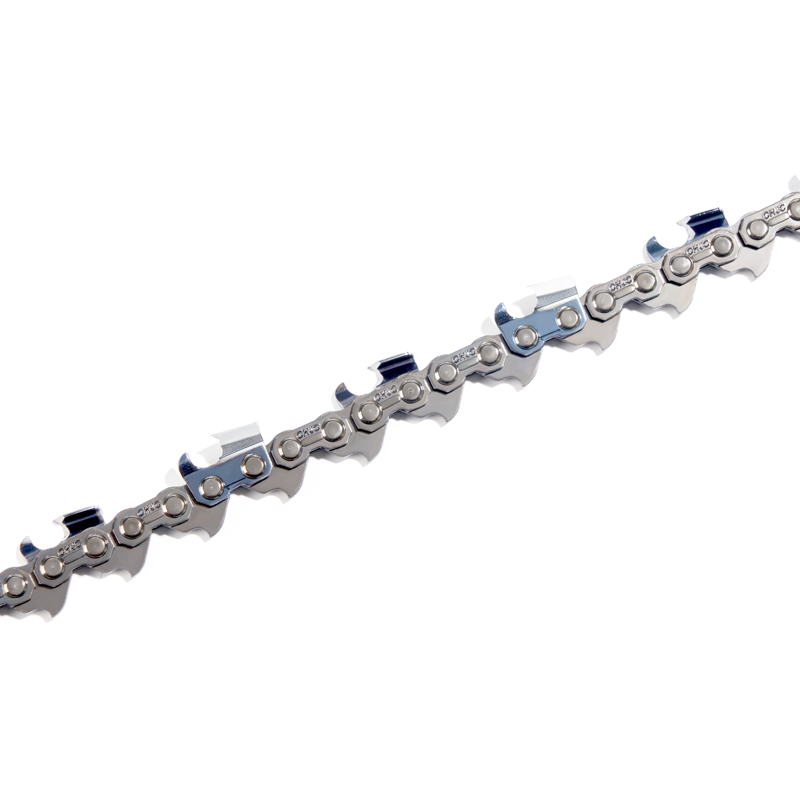
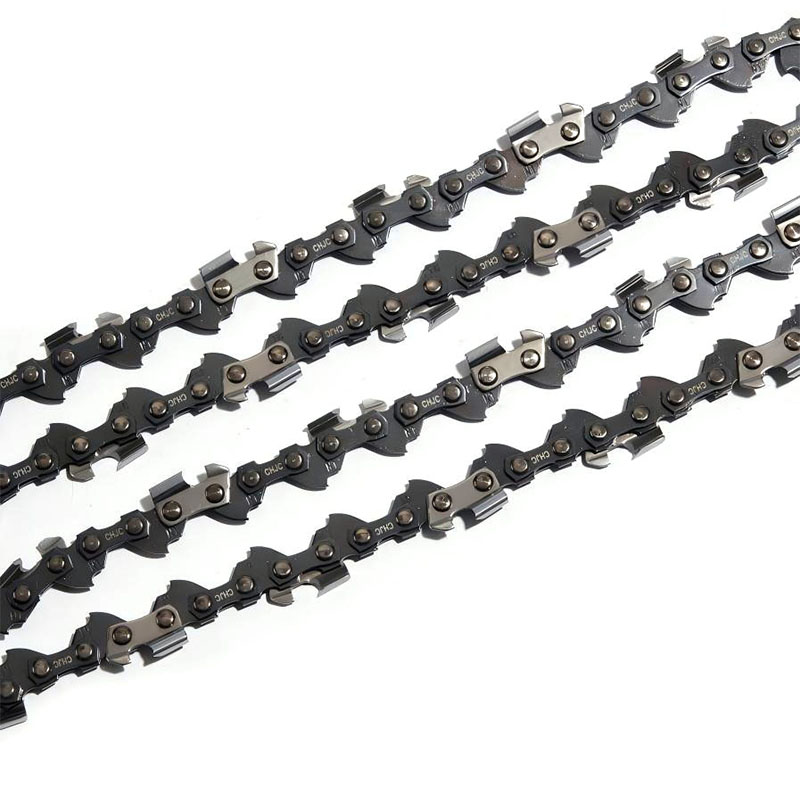
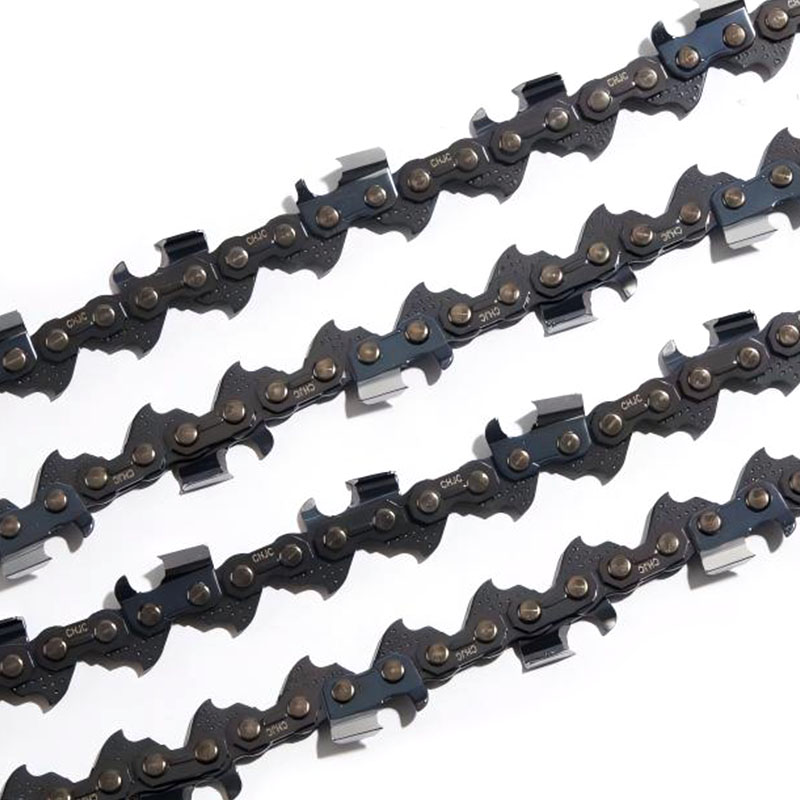
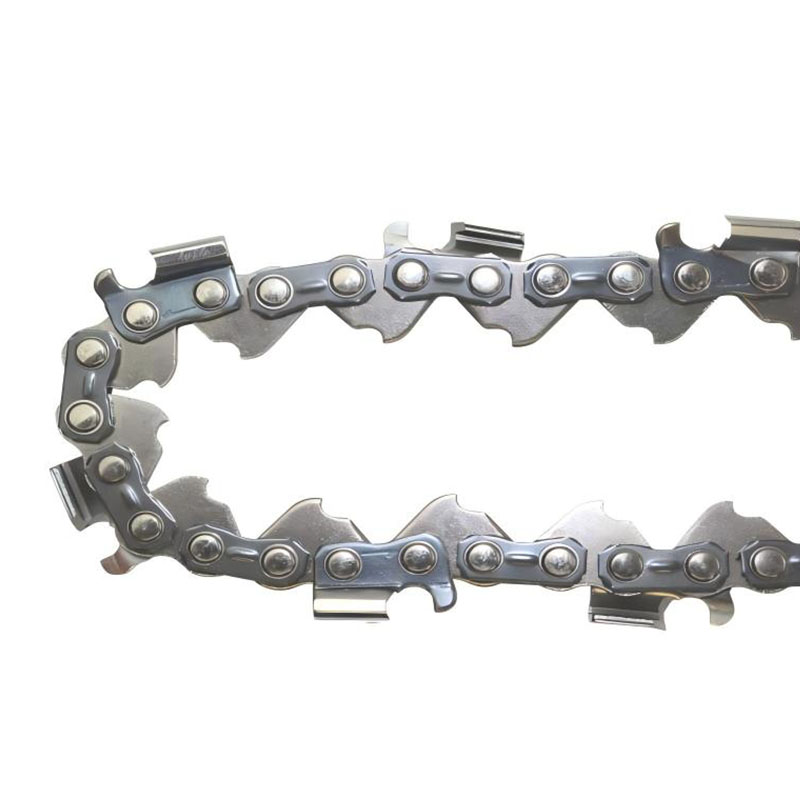
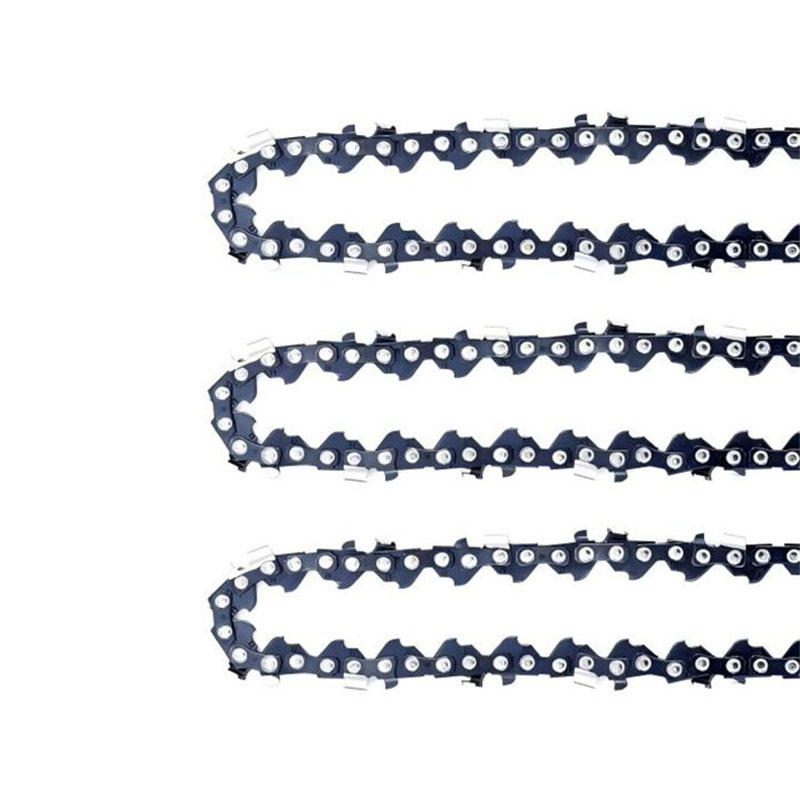
Hengjiu's .325'' .063'' Saw Chain — engineered for heavy-gauge bars where durability under repeated sharpening cycles is essential.