English
 中文简体
中文简体
 русский

Content
- 1 Why Were Chainsaws Invented? The Surprising Medical Origin
- 2 From Surgery to the Forest: The Transition to Lumber Use
- 3 The Rise of Battery Powered Chainsaws
- 4 Battery vs. Gas Chainsaws: What the Data Says
- 5 Top Battery Powered Chainsaws to Consider
- 6 Safety Considerations That Haven't Changed Since the Beginning
- 7 The Future of Chainsaw Technology
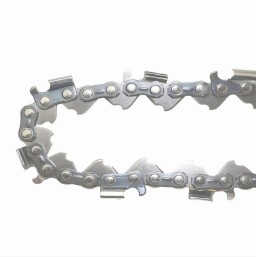
Chainsaws were originally invented for medical use — specifically to assist in difficult childbirth procedures — not for cutting wood. Over nearly two centuries, the tool evolved from a surgical instrument into the gas-powered and battery-powered chainsaws we know today. Understanding this history helps explain why modern battery powered chainsaws have become so significant: they represent the latest leap in a long line of innovations driven by the need for safer, more efficient cutting tools.
Why Were Chainsaws Invented? The Surprising Medical Origin
The chainsaw was not born in a lumber yard — it was born in an operating room. In the late 18th century, Scottish surgeons John Aitken and James Jeffray developed a prototype chain-cutting device to perform symphysiotomies, a procedure used to widen the pelvis during obstructed labor. Before this invention, surgeons used small knives to cut bone and cartilage manually, a slow and dangerous process.
The earliest chainsaw-like device, described around 1780, featured a fine serrated chain looped around a guiding blade — a design that is strikingly similar to the modern chainsaw. It was operated by hand crank and allowed surgeons to cut through bone much more quickly and with greater control.
By the 19th century, a similar instrument called the osteotome was developed by German physician Bernhard Heine in 1830. This device used a chain of serrated links driven by a sprocket wheel turned by a hand crank. While not motorized, it set the conceptual groundwork for all future chainsaw development.

From Surgery to the Forest: The Transition to Lumber Use
The shift from medical tool to forestry equipment came gradually through the 19th and early 20th centuries. The key turning point was motorization. In 1926, German mechanical engineer Andreas Stihl patented the first electric chainsaw designed specifically for cutting wood. Two years later, in 1929, he introduced a gasoline-powered version — a machine that weighed over 100 pounds and required two operators to use.
Around the same time, Canadian millwright James Shand independently developed a portable chainsaw, though his design was never widely commercialized. The 1930s and 1940s saw rapid improvements in engine efficiency and durability, and by the 1950s, one-person chainsaws became commercially viable for widespread forestry use.
Key Milestones in Chainsaw History
| Year | Development | Significance |
|---|---|---|
| ~1780 | Aitken & Jeffray surgical chainsaw | First chain-cutting concept for bone surgery |
| 1830 | Bernhard Heine's osteotome | Sprocket-driven chain design established |
| 1926 | Stihl electric chainsaw patent | First motorized saw for lumber use |
| 1929 | Stihl gas-powered chainsaw | Portable gasoline model; needed 2 operators |
| 1950s | Lightweight one-person chainsaws | Mass adoption in forestry and logging |
| 2000s–present | Battery powered chainsaws | Cordless, low-emission, consumer-friendly |
The Rise of Battery Powered Chainsaws
Battery powered chainsaws emerged as a serious alternative to gas models in the early 2010s, driven by advances in lithium-ion battery technology. Early cordless models were underpowered and short-lived, but the technology has matured dramatically. Today, top-tier battery chainsaws from brands like Greenworks, EGO, and Stihl rival gas saws in performance for most homeowner and light professional applications.
Modern battery chainsaws typically run on 40V to 80V lithium-ion platforms, with some professional models using dual-battery systems to reach 120V equivalent power. Battery capacity has also expanded — where early models offered 15–20 minutes of runtime, current 56V/5Ah batteries can deliver 45 to 90 minutes of cutting time per charge, depending on workload.
Why Battery Chainsaws Are Growing in Popularity
Several factors explain the rapid shift toward battery-powered models:
- Zero direct emissions — ideal for indoor use, enclosed spaces, and environmentally sensitive areas
- Lower noise levels — battery chainsaws typically operate at 85–95 dB vs. 106–115 dB for gas models
- Instant start — no choke, primer, or pull-cord required
- Lower maintenance — no carburetor cleaning, spark plugs, or fuel stabilizers needed
- Battery platform compatibility — brands like DeWalt and Milwaukee allow sharing batteries across 50+ tools
The global cordless chainsaw market was valued at approximately $1.2 billion in 2023 and is projected to grow at a compound annual growth rate (CAGR) of over 7% through 2030, reflecting surging consumer demand.
Battery vs. Gas Chainsaws: What the Data Says
Choosing between a battery and gas chainsaw depends on your use case. Here's a practical comparison based on current product specifications and independent testing:
| Feature | Battery Chainsaw | Gas Chainsaw |
|---|---|---|
| Startup | Instant (button start) | Pull-start, requires warm-up |
| Runtime | 45–90 min per charge | Unlimited (refuel as needed) |
| Weight | 8–14 lbs (with battery) | 10–22 lbs |
| Noise Level | 85–95 dB | 106–115 dB |
| Emissions | Zero direct emissions | CO, NOx, hydrocarbons |
| Maintenance | Minimal (chain, bar oil) | High (fuel, carb, spark plug) |
| Best For | Homeowners, light to medium jobs | Heavy-duty, professional logging |
For most homeowners handling tasks like pruning, limbing, and cutting firewood from trees up to 12–16 inches in diameter, a battery chainsaw is now a fully capable choice. Professional loggers felling large hardwoods all day still favor gas for its unlimited runtime and raw power output.
Top Battery Powered Chainsaws to Consider
The market has matured enough that several battery chainsaws stand out as reliably capable for different user needs:
Best for Homeowners
- EGO Power+ CS1804 — 56V, 18-inch bar, up to 150 cuts per charge on a 5Ah battery; consistently rated #1 in independent tests
- Greenworks Pro 82V — High voltage for demanding tasks, with brushless motor and auto-oiling bar
- Ryobi 40V HP — Budget-friendly option that shares batteries with the popular Ryobi 40V platform
Best for Professionals and Demanding Use
- Stihl MSA 300 C-O — Professional-grade battery saw with a 16-inch bar and Stihl's AP 300 S battery delivering serious runtime
- Husqvarna T540i XP — Top-handle design for arborists, lightweight and powerful with Husqvarna's BLi battery system
- DeWalt DCCS672 — Flexvolt 60V, compatible with DeWalt's broad battery ecosystem, suited for storm cleanup and land clearing
Safety Considerations That Haven't Changed Since the Beginning
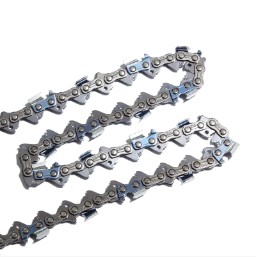
Despite the differences in power source, chainsaw safety principles remain constant — and critically important. Chainsaws are responsible for approximately 36,000 emergency room visits per year in the United States alone, according to the Consumer Product Safety Commission.
Whether using a battery-powered or gas-powered saw, operators should always:
- Wear cut-resistant chaps, gloves, helmet, and eye protection
- Maintain a firm two-handed grip and stable footing at all times
- Never cut above shoulder height
- Understand the kickback zone — the upper quarter of the bar tip — and avoid contact with it
- Ensure the chain brake is functional before each use
Battery chainsaws offer one safety advantage over gas models: they stop almost immediately when the trigger is released, whereas gas engines can continue running briefly. However, the chain itself remains just as dangerous at speed, so protective equipment is non-negotiable regardless of power source.
The Future of Chainsaw Technology
The trajectory from a hand-cranked surgical device to today's intelligent battery chainsaws reflects nearly 250 years of innovation. Looking ahead, several trends are shaping the next generation of chainsaws:
- Solid-state batteries — expected to offer 2–3x the energy density of current lithium-ion cells, dramatically extending runtime
- Smart sensors — Stihl and Husqvarna are already integrating sensors that detect kickback risk and automatically engage the chain brake
- Autonomous chainsaws — robotic logging systems using chainsaw-style cutting heads are in active development for industrial forestry
- Regulatory pressure — California's ban on the sale of new gas-powered small engines after 2024 is accelerating the shift to battery models across North America
The chainsaw that began as a tool to save lives in childbirth has become one of the most versatile and widely used power tools in the world. Battery technology is now the dominant force shaping its future — making chainsaws quieter, cleaner, and more accessible than at any point in their remarkable history.